
Science
Emerging Technologies Revolutionize Surgery with Precision and Customization

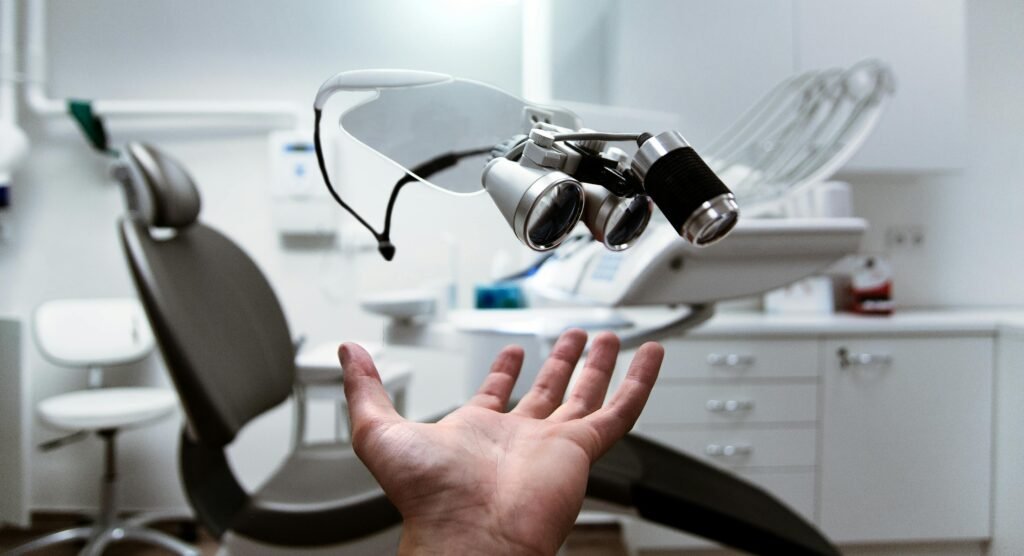
Emerging technologies are fundamentally changing the landscape of surgery, introducing advancements that enhance precision, customization, and overall patient outcomes. Innovations such as 3D printing and robotics are not only reshaping surgical practices but also paving the way for a future where healthcare becomes more personalized and efficient. As these technologies advance, they continuously redefine what is possible in surgical procedures.
The Role of 3D Printing in Surgical Advancements
At the heart of this transformation is 3D printing, a process that creates three-dimensional objects from digital models by layering materials. This technology allows for the production of intricate devices tailored to meet the specific needs of individual patients. The use of biocompatible materials ensures that these devices are not only functional but also safe for medical applications.
Techniques such as Stereolithography (SLA) and Selective Laser Sintering (SLS) are pivotal in medical 3D printing. Each method has distinct advantages, enabling the creation of complex geometries that traditional manufacturing methods struggle to achieve. This advancement accelerates the development process while enhancing the quality and precision of surgical tools.
The integration of 3D printing into surgical planning has opened new avenues for preoperative preparation. Surgeons can now create anatomically accurate models of patient-specific organs, allowing them to rehearse complex procedures before entering the operating room. This hands-on preparation is significant; it reduces surgical time, minimizes complications, and enhances patient safety. Medical institutions globally are increasingly recognizing the value of these physical models, which provide tactile feedback and spatial understanding that digital imaging alone cannot replicate.
Cost-effectiveness and Accessibility of Surgical Technologies
The integration of emerging technologies into surgical equipment manufacturing also presents substantial cost benefits. Traditional manufacturing processes often entail high setup costs and lengthy production timelines. In contrast, technologies like 3D printing reduce these barriers by eliminating the need for molds or specialized tooling. This economic advantage not only benefits manufacturers but also enhances accessibility for healthcare providers and patients.
By lowering production costs, advanced surgical technologies become more attainable worldwide. This ensures broader access to innovative treatments across diverse healthcare settings. Companies like HAAPD.com are playing an essential role in this transformation, focusing on surgical device design and guiding products from concept to commercialization with a strong emphasis on innovation and collaboration.
Customization and precision are among the most significant advantages of using these emerging technologies. Unlike mass-produced equipment, customized surgical devices provide a better fit and improved performance. For example, prosthetic limbs can be designed specifically to match a patient’s anatomy, greatly enhancing comfort and usability. The precision offered by these technologies guarantees that every component meets the stringent standards required for surgical applications. In surgical settings, where accuracy is paramount, even minor deviations can lead to complications.
Rapid prototyping has also emerged as a crucial element in advancing surgical innovation. Emerging technologies have significantly enhanced this concept, allowing for quicker development cycles for new surgical equipment. Prototypes can now be produced and tested more frequently, leading to faster iterations and improvements. As a result, innovations can reach the market more swiftly than with conventional manufacturing techniques.
For companies developing state-of-the-art surgical technologies, this speed provides a competitive edge. The ability to introduce innovative solutions to market more rapidly not only benefits healthcare providers but also positions these companies as leaders in medical advancements. Rapid prototyping fosters an environment of continuous improvement and innovation within the field.
In conclusion, as technologies like 3D printing and robotics continue to evolve, they hold the promise of significantly transforming surgical practices. The focus on precision, customization, and cost-effectiveness ensures that the future of surgery will be more innovative and accessible, ultimately leading to improved patient outcomes worldwide.

Hallmark’s ‘Christmas at the Catnip Café’ Premieres Tonight!

Millville Woman Arrested for Threatening U-Haul Worker with Baton

Japan’s PM Takaichi Confirms Continued Fiscal Management Strategy

Bitcoin Plummets Below $88K Amid Tether Concerns and Warnings

Designers Unveil 5 Urgent Tricks to Transform Outdoor Eyesores

Shark Teeth Research Reveals Urgent Need to Protect Species

Church Members Unite in Resilience After Thanksgiving Fire

Community Unites to Attempt World Record for Largest Cookie Exchange

Mayor Lurie Appoints Alan Wong to District 4 Seat Amid Controversy

University of Hawaiʻi Joins $25.6M AI Initiative to Monitor Disasters

Toledo City League Announces Hall of Fame Inductees for 2024

DOJ Seizes $15 Billion in Bitcoin from Major Crypto Fraud Network

Sharp Launches Five New Aquos QLED 4K Ultra HD Smart TVs

Celtics Coach Joe Mazzulla Dominates Local Media in Scrimmage

Mutual Advisors LLC Increases Stake in SPDR Portfolio ETF

Community Unites for 7th Annual Walk to Raise Mental Health Awareness

Western Executives Confront Harsh Realities of China’s Manufacturing Edge

Major Networks Reject Pentagon’s New Reporting Guidelines
-
Science4 weeks ago
University of Hawaiʻi Joins $25.6M AI Initiative to Monitor Disasters
-
 Lifestyle2 months ago
Toledo City League Announces Hall of Fame Inductees for 2024
-
 Business2 months ago
DOJ Seizes $15 Billion in Bitcoin from Major Crypto Fraud Network
-
 Top Stories2 months ago
Sharp Launches Five New Aquos QLED 4K Ultra HD Smart TVs
-
 Sports2 months ago
Celtics Coach Joe Mazzulla Dominates Local Media in Scrimmage
-
 Politics2 months ago
Mutual Advisors LLC Increases Stake in SPDR Portfolio ETF
-
 Health2 months ago
Community Unites for 7th Annual Walk to Raise Mental Health Awareness
-
 Science2 months ago
Western Executives Confront Harsh Realities of China’s Manufacturing Edge
-
 Politics2 months ago
Major Networks Reject Pentagon’s New Reporting Guidelines
-

 World2 months ago
INK Entertainment Launches Exclusive Sofia Pop-Up at Virgin Hotels
-

 Science1 month ago
Astronomers Discover Twin Cosmic Rings Dwarfing Galaxies
-

 Top Stories1 month ago
Randi Mahomes Launches Game Day Clothing Line with Chiefs