
Science
MIT Unveils Ancient Metalworking Techniques Using CT Scanning

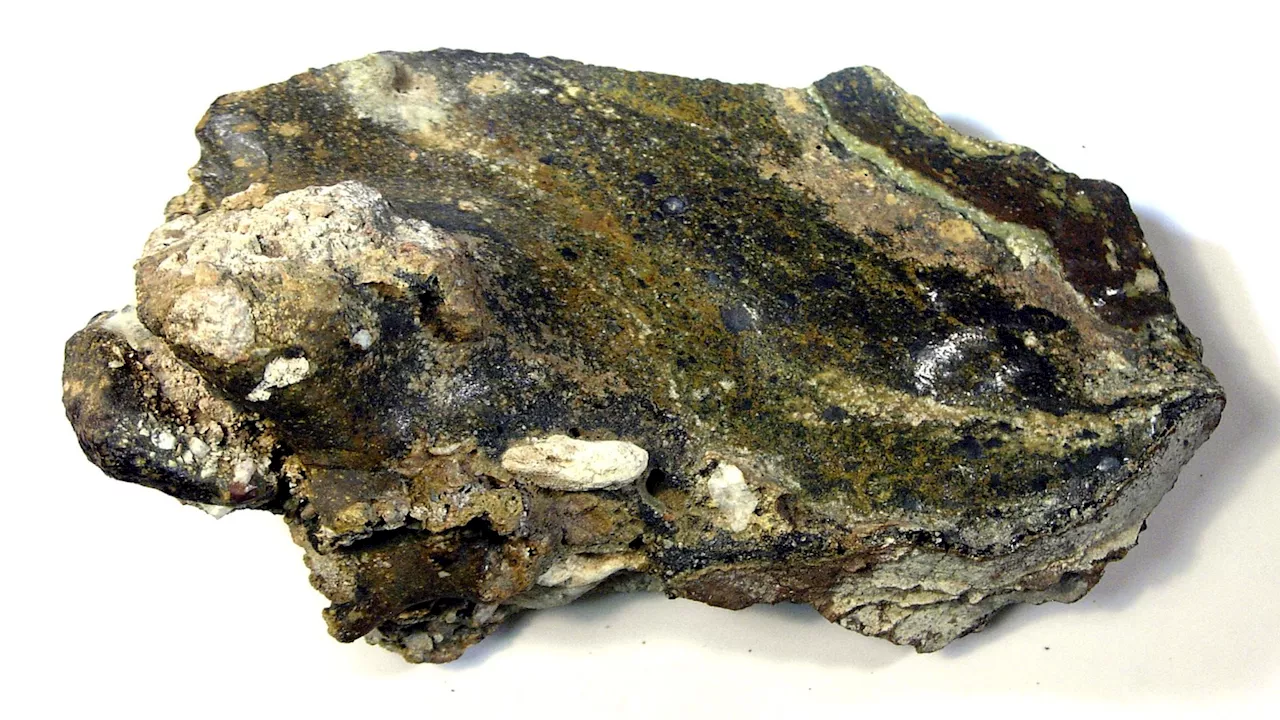
A study led by researchers at the Massachusetts Institute of Technology (MIT) has revealed significant insights into ancient metalworking processes through the innovative use of CT scanning technology. By examining slag, a byproduct of copper smelting, the team has unlocked new understanding of how early civilizations manipulated metals approximately 5,000 years ago.
The research focuses on slag samples obtained from Tepe Hissar in Iran, a site known for its early evidence of copper processing. According to MIT News, this region is considered one of the birthplace locations of metallurgy, where humans began extracting copper from ore between 3100 and 2900 BCE.
Innovative Techniques Illuminate Ancient Practices
Traditionally, studying ancient metallurgical practices has been challenged by the limited evidence available regarding production methods. MIT researchers adapted existing technology to enhance their understanding of these processes. By employing both industrial and standard CT scanners, they demonstrated how CT imaging can refine the traditional approaches to analyzing archaeological artifacts.
CT scanning allows for a detailed examination of the internal structure of slag, revealing the location of pores and other materials within the samples. The complexity of slag, which forms when ores are heated to extract metal, adds layers of difficulty to its interpretation. As noted by the researchers, “Slag waste is chemically complex to interpret because it contains everything not desired in the final product.”
Alongside CT scans, the researchers utilized other conventional methods, such as X-ray fluorescence and scanning electron microscopy. This comprehensive approach confirmed the effectiveness of CT scanning in providing a broader view of ancient metallurgical practices.
Revealing New Perspectives on Early Metallurgy
The findings from the CT scans have sparked discussions among researchers about the role of elements such as arsenic in ancient metal production. The study has raised new questions regarding how these materials influenced the smelting process. “Moving forward, CT scanning could be a powerful tool in archaeology to unravel complex ancient materials and processes,” the researchers stated.
MIT researchers emphasized the potential of this methodology to support systematic studies of copper smelting, particularly in understanding the long-term stability of artifacts and the effects of corrosion. This research not only sheds light on ancient practices but also sets the stage for future explorations into metallurgy’s evolution.
As this new technique gains traction, it holds promise for further discoveries in the field of archaeometallurgy, enhancing our understanding of how early civilizations mastered the art of metalworking. The implications of this research could lead to a deeper appreciation of the technological capabilities of our ancestors.

Hallmark’s ‘Christmas at the Catnip Café’ Premieres Tonight!

Millville Woman Arrested for Threatening U-Haul Worker with Baton

Japan’s PM Takaichi Confirms Continued Fiscal Management Strategy

Bitcoin Plummets Below $88K Amid Tether Concerns and Warnings

Designers Unveil 5 Urgent Tricks to Transform Outdoor Eyesores

Shark Teeth Research Reveals Urgent Need to Protect Species

Church Members Unite in Resilience After Thanksgiving Fire

Community Unites to Attempt World Record for Largest Cookie Exchange

Mayor Lurie Appoints Alan Wong to District 4 Seat Amid Controversy

University of Hawaiʻi Joins $25.6M AI Initiative to Monitor Disasters

Toledo City League Announces Hall of Fame Inductees for 2024

DOJ Seizes $15 Billion in Bitcoin from Major Crypto Fraud Network

Sharp Launches Five New Aquos QLED 4K Ultra HD Smart TVs

Celtics Coach Joe Mazzulla Dominates Local Media in Scrimmage

Mutual Advisors LLC Increases Stake in SPDR Portfolio ETF

Community Unites for 7th Annual Walk to Raise Mental Health Awareness

Western Executives Confront Harsh Realities of China’s Manufacturing Edge

Major Networks Reject Pentagon’s New Reporting Guidelines
-
Science4 weeks ago
University of Hawaiʻi Joins $25.6M AI Initiative to Monitor Disasters
-
 Lifestyle2 months ago
Toledo City League Announces Hall of Fame Inductees for 2024
-
 Business2 months ago
DOJ Seizes $15 Billion in Bitcoin from Major Crypto Fraud Network
-
 Top Stories2 months ago
Sharp Launches Five New Aquos QLED 4K Ultra HD Smart TVs
-
 Sports2 months ago
Celtics Coach Joe Mazzulla Dominates Local Media in Scrimmage
-
 Politics2 months ago
Mutual Advisors LLC Increases Stake in SPDR Portfolio ETF
-
 Health2 months ago
Community Unites for 7th Annual Walk to Raise Mental Health Awareness
-
 Science2 months ago
Western Executives Confront Harsh Realities of China’s Manufacturing Edge
-

 World2 months ago
INK Entertainment Launches Exclusive Sofia Pop-Up at Virgin Hotels
-
 Politics2 months ago
Major Networks Reject Pentagon’s New Reporting Guidelines
-

 Science1 month ago
Astronomers Discover Twin Cosmic Rings Dwarfing Galaxies
-

 Top Stories1 month ago
Randi Mahomes Launches Game Day Clothing Line with Chiefs