
Business
Workers Challenge Major Employers Over Moonlighting Restrictions

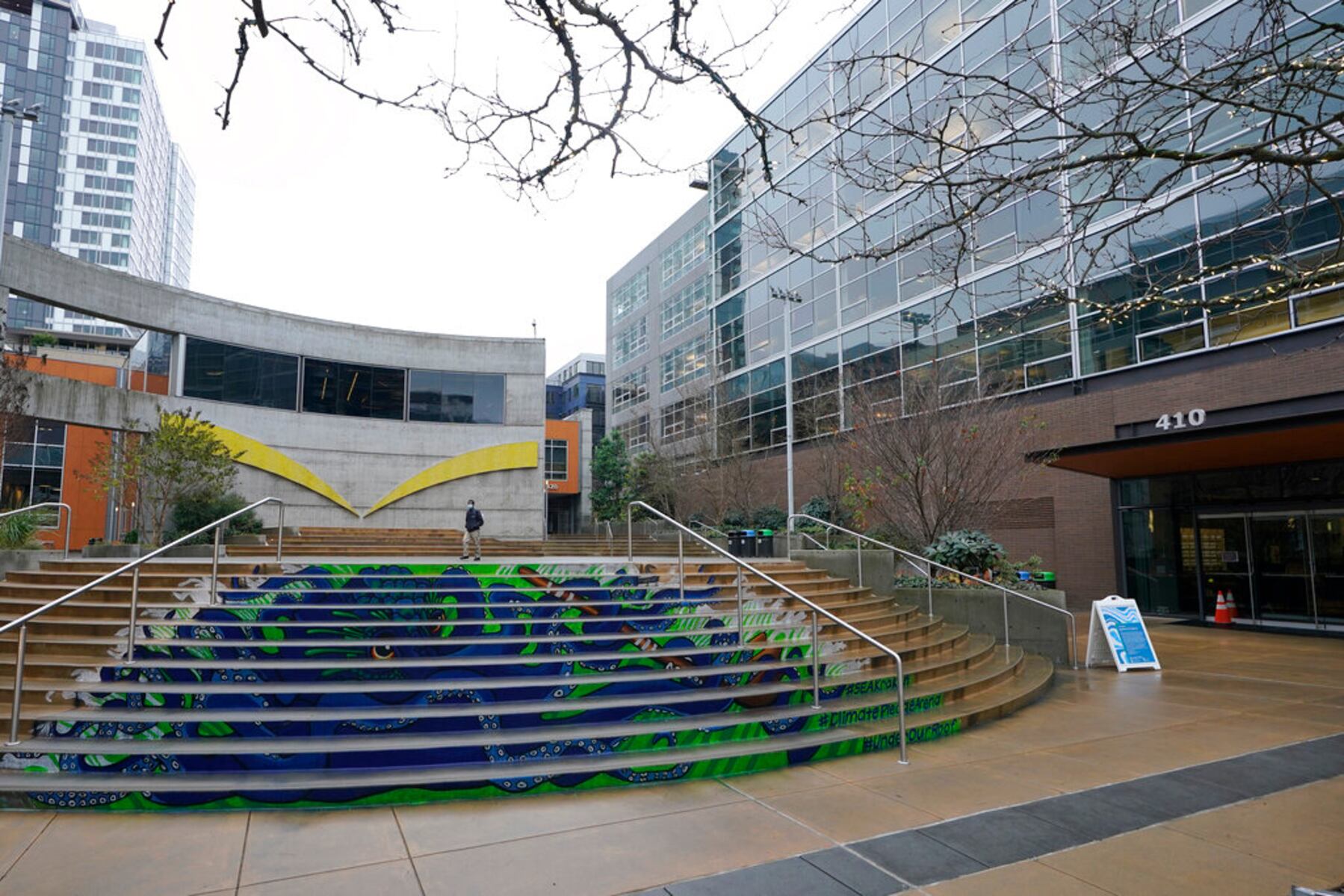
Across Washington State, a growing number of workers are taking legal action against major employers, including Amazon, over restrictions that limit their ability to hold second jobs. This surge in lawsuits highlights a significant issue affecting many individuals trying to supplement their incomes in a challenging economic landscape.
Many workers in Washington have turned to multiple jobs to achieve a livable income. However, they often encounter obstacles from their employers, who impose restrictions on “moonlighting,” especially when it involves competitors. These restrictions are typically outlined in employment contracts or company policies aimed at preventing conflicts of interest. Advocates for workers argue that such bans disproportionately impact low-wage employees, limiting their economic mobility.
In the past year, numerous lawsuits have emerged challenging these moonlighting bans. Workers contend that they should not be restricted from taking additional shifts at competing businesses, such as a retail employee working at two different stores or a food service worker picking up shifts at various restaurants. Timothy Emery, managing shareholder of Emery Reddy, P.C., highlighted the struggles faced by minimum wage earners in Washington’s largest cities, emphasizing that without a second job, it becomes increasingly difficult to manage rising living costs.
Legal Landscape and Recent Rulings
Washington State law provides certain protections for employees earning less than twice the minimum wage, which is currently set at $33.32 per hour. Under this law, employers cannot restrict these workers from holding additional jobs simultaneously. Nevertheless, companies have historically leveraged a legal loophole to impose broad bans on moonlighting, particularly when it involves competitors.
A pivotal ruling by the Washington State Supreme Court in January 2023 has started to reshape this landscape. The court deemed a blanket moonlighting ban that restricted “all kinds of assistance to competitors” as unreasonable. While employers can still expect some loyalty from their workers, they can no longer enforce overly broad prohibitions. Jonathan Crook, a partner at the law firm Fisher Phillips, noted that the ruling clarifies that such bans need to be more narrowly defined.
The implications of this ruling could reverberate throughout the workforce. In theory, lower-wage workers should now have the freedom to engage in multiple jobs across competing companies without fear of losing their primary income. However, the practical application of this decision remains uncertain.
Ongoing Challenges and Future Implications
Despite the Supreme Court ruling, some of Washington’s prominent employers continue to enforce extensive moonlighting bans in their contracts. Timothy Emery, who represented the plaintiffs in the recent landmark case, indicated that he has filed additional lawsuits against companies, including Amazon, Alaska Airlines, and Costco, challenging their ongoing restrictions on workers.
In response to these claims, Amazon spokesperson Eileen Hards asserted that the company’s policies comply with state law, while Alaska Airlines and Costco did not provide comments regarding the ongoing litigation.
The legal battles initiated by these workers are likely to take months or even years to resolve. Emery remains optimistic that the outcomes will empower workers to pursue additional jobs within their areas of expertise. He believes that this newfound freedom could significantly enhance their bargaining power and career options.
As these cases unfold, the potential for change in the employment landscape in Washington could offer a glimpse into a more flexible work culture that accommodates the financial realities faced by many workers today.

Shark Teeth Research Reveals Urgent Need to Protect Species

Church Members Unite in Resilience After Thanksgiving Fire

Community Unites to Attempt World Record for Largest Cookie Exchange

Mayor Lurie Appoints Alan Wong to District 4 Seat Amid Controversy

Mayor Appoints Alan Wong as New Supervisor for District 4

UK Report Reveals AI’s Role in Evaluating University Research Quality

Gabriela Jaquez Shines as No. 3 UCLA Dominates No. 14 Tennessee

Trump Promises to Release MRI Results Despite Uncertainty on Scan

Japan’s Q3 Capital Expenditure Slows Despite Surge in Profits

University of Hawaiʻi Joins $25.6M AI Initiative to Monitor Disasters

Toledo City League Announces Hall of Fame Inductees for 2024

DOJ Seizes $15 Billion in Bitcoin from Major Crypto Fraud Network

Sharp Launches Five New Aquos QLED 4K Ultra HD Smart TVs

Celtics Coach Joe Mazzulla Dominates Local Media in Scrimmage

Community Unites for 7th Annual Walk to Raise Mental Health Awareness

Mutual Advisors LLC Increases Stake in SPDR Portfolio ETF

Western Executives Confront Harsh Realities of China’s Manufacturing Edge

INK Entertainment Launches Exclusive Sofia Pop-Up at Virgin Hotels
-
Science4 weeks ago
University of Hawaiʻi Joins $25.6M AI Initiative to Monitor Disasters
-
 Lifestyle2 months ago
Toledo City League Announces Hall of Fame Inductees for 2024
-
 Business2 months ago
DOJ Seizes $15 Billion in Bitcoin from Major Crypto Fraud Network
-
 Top Stories2 months ago
Sharp Launches Five New Aquos QLED 4K Ultra HD Smart TVs
-
 Sports2 months ago
Celtics Coach Joe Mazzulla Dominates Local Media in Scrimmage
-
 Health2 months ago
Community Unites for 7th Annual Walk to Raise Mental Health Awareness
-
 Politics2 months ago
Mutual Advisors LLC Increases Stake in SPDR Portfolio ETF
-
 Science2 months ago
Western Executives Confront Harsh Realities of China’s Manufacturing Edge
-
 World2 months ago
INK Entertainment Launches Exclusive Sofia Pop-Up at Virgin Hotels
-

 Politics2 months ago
Major Networks Reject Pentagon’s New Reporting Guidelines
-

 Science1 month ago
Astronomers Discover Twin Cosmic Rings Dwarfing Galaxies
-

 Top Stories1 month ago
Randi Mahomes Launches Game Day Clothing Line with Chiefs