
Science
Swiss Scientists Develop Microscopic Robots for Targeted Drug Delivery

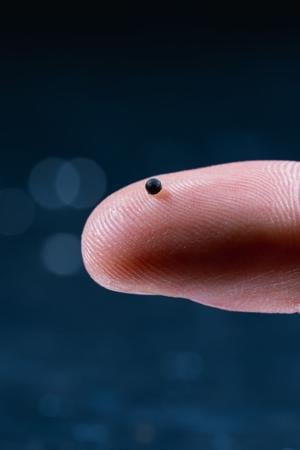
Scientists in Switzerland have developed a groundbreaking robot the size of a grain of sand, designed to deliver drugs with exceptional precision within the human body. This innovation aims to significantly reduce the severe side effects often associated with traditional drug delivery methods.
These microscopic robots are controlled by magnets, allowing them to navigate the complex human circulatory system and release medication precisely where it is needed. This targeted approach not only enhances the effectiveness of treatments but also minimizes the unnecessary exposure of healthy tissues to drugs.
The research team, comprised of experts from several Swiss institutions, has conducted extensive tests to ensure the robots can operate safely and efficiently. According to the findings, published in a leading scientific journal, the robots can be programmed to respond to specific stimuli, such as particular chemicals in the bloodstream, thereby enhancing their ability to deliver drugs at the right time and location.
Revolutionizing Treatment Options
This development holds immense potential for various medical applications, particularly in treating conditions such as cancer, where precision is crucial. By delivering chemotherapy drugs directly to tumor sites, the robots could spare patients from the harsh side effects of systemic treatments.
The researchers are optimistic about the future of this technology, highlighting its alignment with the growing field of precision medicine. As noted by Dr. Martin Keller, a lead researcher on the project, “The ability to deliver drugs exactly where they are needed can transform patient outcomes and improve overall treatment experiences.”
Clinical trials are expected to begin in the near future, with the aim of assessing the effectiveness of these robots in live subjects. The anticipated results could pave the way for regulatory approvals and further advancements in robotic drug delivery systems.
Addressing Challenges and Future Directions
Despite the promising nature of this technology, several challenges remain. The scientists are currently focusing on the scalability of production and ensuring that the robots can be manufactured consistently for widespread use. Additionally, further research is necessary to evaluate the long-term effects of introducing these robots into the human body.
As the team explores these challenges, they are also collaborating with industry partners to bring this innovation to the market. The potential economic impact is significant, as companies that invest in developing similar technologies could tap into a growing demand for more effective and less invasive treatment options.
Overall, the creation of these microscopic robots represents a significant leap forward in medical technology. With ongoing research and development, they may soon become a vital tool in the fight against various diseases, offering hope for improved patient care and outcomes in the years to come.

Hallmark’s ‘Christmas at the Catnip Café’ Premieres Tonight!

Millville Woman Arrested for Threatening U-Haul Worker with Baton

Japan’s PM Takaichi Confirms Continued Fiscal Management Strategy

Bitcoin Plummets Below $88K Amid Tether Concerns and Warnings

Designers Unveil 5 Urgent Tricks to Transform Outdoor Eyesores

Shark Teeth Research Reveals Urgent Need to Protect Species

Church Members Unite in Resilience After Thanksgiving Fire

Community Unites to Attempt World Record for Largest Cookie Exchange

Mayor Lurie Appoints Alan Wong to District 4 Seat Amid Controversy

University of Hawaiʻi Joins $25.6M AI Initiative to Monitor Disasters

Toledo City League Announces Hall of Fame Inductees for 2024

DOJ Seizes $15 Billion in Bitcoin from Major Crypto Fraud Network

Sharp Launches Five New Aquos QLED 4K Ultra HD Smart TVs

Celtics Coach Joe Mazzulla Dominates Local Media in Scrimmage

Mutual Advisors LLC Increases Stake in SPDR Portfolio ETF

Community Unites for 7th Annual Walk to Raise Mental Health Awareness

Western Executives Confront Harsh Realities of China’s Manufacturing Edge

INK Entertainment Launches Exclusive Sofia Pop-Up at Virgin Hotels
-
Science4 weeks ago
University of Hawaiʻi Joins $25.6M AI Initiative to Monitor Disasters
-
 Lifestyle2 months ago
Toledo City League Announces Hall of Fame Inductees for 2024
-
 Business2 months ago
DOJ Seizes $15 Billion in Bitcoin from Major Crypto Fraud Network
-
 Top Stories2 months ago
Sharp Launches Five New Aquos QLED 4K Ultra HD Smart TVs
-
 Sports2 months ago
Celtics Coach Joe Mazzulla Dominates Local Media in Scrimmage
-
 Health2 months ago
Community Unites for 7th Annual Walk to Raise Mental Health Awareness
-
 Politics2 months ago
Mutual Advisors LLC Increases Stake in SPDR Portfolio ETF
-
 Science2 months ago
Western Executives Confront Harsh Realities of China’s Manufacturing Edge
-
 World2 months ago
INK Entertainment Launches Exclusive Sofia Pop-Up at Virgin Hotels
-

 Politics2 months ago
Major Networks Reject Pentagon’s New Reporting Guidelines
-

 Science1 month ago
Astronomers Discover Twin Cosmic Rings Dwarfing Galaxies
-

 Top Stories1 month ago
Randi Mahomes Launches Game Day Clothing Line with Chiefs