
Politics
Left Faces Challenges; Education Department Under Fire

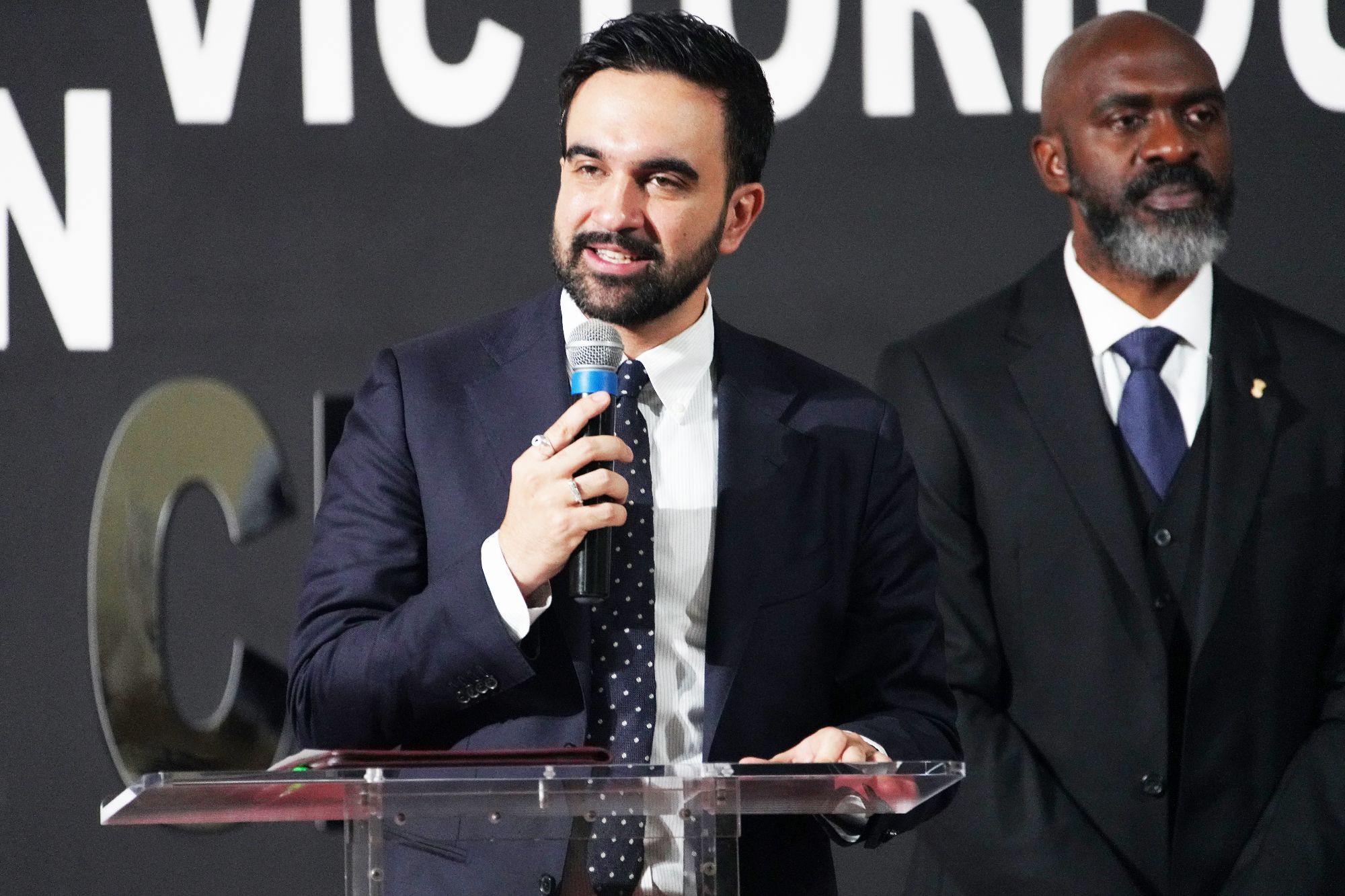
The political landscape in the United States is shifting as various factions confront significant challenges. Recent commentary highlights that the left must reevaluate its strategies, while the future of the Education Department is also under scrutiny. Key figures and organizations are at the center of these discussions, highlighting a complex interplay of political beliefs and societal issues.
Left Must Reassess Its Strategies
In a critical reflection, Ruy Teixeira of The Liberal Patriot argues that despite numerous opportunities, the left’s agenda has largely fallen short in the 21st century. He points out that while left-leaning parties, including the Democratic Party, have cultivated strong support among educated and professional classes, this success has come at a cost. The embrace of immigration and social justice reforms has alienated traditional working-class voters.
Teixeira asserts that the current focus on issues such as climate change and identity politics has diverted attention from economic growth. He claims that this shift represents a significant political miscalculation, suggesting it is time for the left to explore new approaches. After 25 years of what he describes as a “failed project,” he emphasizes the necessity for change to regain lost ground with its base.
Contentions Surround Education Department Reorganization
As discussions around education intensify, the future of the Department of Education has become a focal point. Robby Soave from The Hill reports that the Trump administration is moving towards dismantling the department, with its core functions potentially being reassigned to other governmental agencies. This proposal has stirred anxiety among liberal Democrats, who view it as a threat to federal oversight of education.
Critics argue that the department plays a limited role, primarily overseeing grant distribution rather than directly engaging in classroom management. Soave points out that the federal government currently contributes only about 10 percent of K-12 funding, suggesting that the move could be less radical than opponents claim. Furthermore, he advocates for a reevaluation of the federal student loan program, highlighting evidence that its subsidies have contributed to rising tuition costs.
Campus Controversies and Political Pressure
The political climate on campuses is also heating up, particularly concerning Zohran Mamdani, the newly elected mayor of New York City. Commentator Stu Smith notes that Mamdani has promised to tackle issues of repression at educational institutions, including the controversial firing of professors who expressed solidarity with Palestinian causes.
Despite lacking direct authority over hiring decisions at the City University of New York (CUNY), Mamdani’s actions could significantly influence campus dynamics. His potential decision to support the reinstatement of these professors poses a risk of reigniting tensions among student activists, who view him as a champion of their cause.
The Impact of Political Discourse on Society
Amid these educational and political shifts, societal discourse has also taken a troubling turn. Columnist David Brooks from The New York Times critiques the obsession with high-profile figures like Jeffrey Epstein, suggesting that such fixation reflects a broader malaise in American politics. He asserts that this trend perpetuates a culture of cynicism and undermines trust in institutions.
In a related concern, the Council on American-Islamic Relations (CAIR) has faced backlash following the barbaric attacks by Hamas on Israeli civilians on October 7, 2023. Commentary’s Seth Mandel indicates that CAIR’s response has shifted from moderation to what he describes as “grotesque, indefensible” positions, prompting condemnation from the Biden administration.
As CAIR affiliates reportedly raised over $100,000 to support pro-Hamas activities on campuses, Texas Governor Greg Abbott has labeled the organization a terrorist entity. This designation underscores the contentious nature of political affiliations and their implications for public trust.
The convergence of these discussions illustrates the complex challenges facing various political factions today. As the left contemplates its future strategies and the Education Department’s role is called into question, the broader societal implications of political discourse remain a critical area for examination.

Designers Unveil 5 Urgent Tricks to Transform Outdoor Eyesores

Shark Teeth Research Reveals Urgent Need to Protect Species

Church Members Unite in Resilience After Thanksgiving Fire

Community Unites to Attempt World Record for Largest Cookie Exchange

Mayor Lurie Appoints Alan Wong to District 4 Seat Amid Controversy

Mayor Appoints Alan Wong as New Supervisor for District 4

UK Report Reveals AI’s Role in Evaluating University Research Quality

Gabriela Jaquez Shines as No. 3 UCLA Dominates No. 14 Tennessee

Trump Promises to Release MRI Results Despite Uncertainty on Scan

University of Hawaiʻi Joins $25.6M AI Initiative to Monitor Disasters

Toledo City League Announces Hall of Fame Inductees for 2024

DOJ Seizes $15 Billion in Bitcoin from Major Crypto Fraud Network

Sharp Launches Five New Aquos QLED 4K Ultra HD Smart TVs

Celtics Coach Joe Mazzulla Dominates Local Media in Scrimmage

Mutual Advisors LLC Increases Stake in SPDR Portfolio ETF

Community Unites for 7th Annual Walk to Raise Mental Health Awareness

Western Executives Confront Harsh Realities of China’s Manufacturing Edge

INK Entertainment Launches Exclusive Sofia Pop-Up at Virgin Hotels
-
Science4 weeks ago
University of Hawaiʻi Joins $25.6M AI Initiative to Monitor Disasters
-
 Lifestyle2 months ago
Toledo City League Announces Hall of Fame Inductees for 2024
-
 Business2 months ago
DOJ Seizes $15 Billion in Bitcoin from Major Crypto Fraud Network
-
 Top Stories2 months ago
Sharp Launches Five New Aquos QLED 4K Ultra HD Smart TVs
-
 Sports2 months ago
Celtics Coach Joe Mazzulla Dominates Local Media in Scrimmage
-
 Politics2 months ago
Mutual Advisors LLC Increases Stake in SPDR Portfolio ETF
-
 Health2 months ago
Community Unites for 7th Annual Walk to Raise Mental Health Awareness
-
 Science2 months ago
Western Executives Confront Harsh Realities of China’s Manufacturing Edge
-
 World2 months ago
INK Entertainment Launches Exclusive Sofia Pop-Up at Virgin Hotels
-

 Politics2 months ago
Major Networks Reject Pentagon’s New Reporting Guidelines
-

 Science1 month ago
Astronomers Discover Twin Cosmic Rings Dwarfing Galaxies
-

 Top Stories1 month ago
Randi Mahomes Launches Game Day Clothing Line with Chiefs