
Top Stories
ASEAN Takes Bold Action Amid Rising Tensions and Conflicts

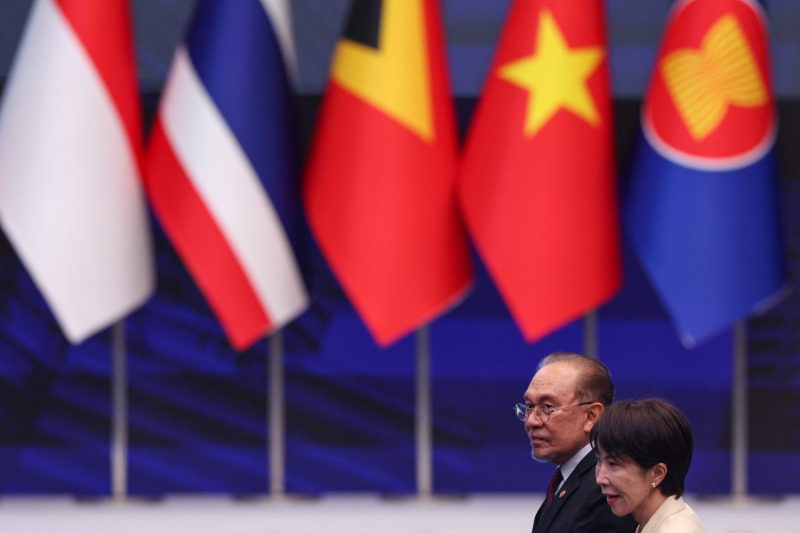
UPDATE: ASEAN is breaking away from its reputation as a mere talk shop, demonstrating decisive action amid escalating regional tensions. Recent incidents between Cambodia and Thailand have sparked immediate responses, showcasing the bloc’s renewed commitment to addressing security challenges.
On November 10, violence erupted when four Thai soldiers were injured by a land mine, followed by gunfire that killed a Cambodian villager. This resurgence of conflict comes just weeks after a peace-signing ceremony during U.S. President Donald Trump‘s visit to Malaysia, which aimed to resolve long-standing disputes over the Preah Vihear temple and surrounding areas.
In a swift reaction, ASEAN, under the leadership of Malaysia, deployed an observer team to investigate the incident. Their findings confirmed that the land mine had been newly placed, though no party has been blamed yet. This intervention signals a significant shift in ASEAN’s approach, emphasizing its role in maintaining peace and stability in Southeast Asia.
Meanwhile, the ongoing crisis in Myanmar since the military coup in February 2021 continues to test ASEAN’s resolve. The bloc established a Five-Point Consensus aiming for an end to violence and the restoration of dialogue. However, despite some humanitarian efforts, progress has been stymied by a lack of cohesion among member states, with some nations engaging Myanmar unilaterally.
As tensions rise, the next phase for ASEAN is crucial. The Philippines, set to assume the chairmanship in 2026, is pushing for a collective security response to China’s assertive maneuvers in the South China Sea. Manila is at the forefront of criticisms against Beijing’s increasing aggression, advocating for a legally binding code of conduct to regulate maritime disputes.
While these developments indicate a more proactive ASEAN, challenges remain. Member states such as Cambodia and Laos maintain close ties with China, potentially hindering collective action against Beijing’s territorial ambitions. This dynamic raises questions about whether ASEAN can maintain unity in the face of external pressures.
The stakes are high: as ASEAN navigates these complex issues, the bloc’s ability to resolve internal disputes and foster regional stability will be critical. The international community is watching closely as ASEAN steps into a more active role, a departure from its historically passive stance.
As the situation unfolds, the effectiveness of ASEAN’s actions will be pivotal in shaping the future of Southeast Asia. The ongoing developments demand attention, and stakeholders will be looking for concrete results from this newly energized bloc.

NSW Government Orders 6-Hour Shutdown of Gambling Machines

Research Sheds Light on ‘Covert Consciousness’ in Patients

Chicago Remembers Tragic Our Lady of the Angels Fire, 92 Lives Lost

Michael Jordan’s Racing Team Takes NASCAR to Court Over Antitrust Claims

Star-Studded British Independent Film Awards Celebrate Top Talent

Cyber Monday 2023: Top Deals and Discounts to Grab Now

TikTok Shop Transforms Shopping with $19 Billion in Sales

Investigating Organ Transplant Waitlist Manipulation Practices

Homemade Ding Dong Cake Recipe Surges in Popularity, Perfect for Crowds

University of Hawaiʻi Joins $25.6M AI Initiative to Monitor Disasters

Toledo City League Announces Hall of Fame Inductees for 2024

DOJ Seizes $15 Billion in Bitcoin from Major Crypto Fraud Network

Sharp Launches Five New Aquos QLED 4K Ultra HD Smart TVs

Celtics Coach Joe Mazzulla Dominates Local Media in Scrimmage

Mutual Advisors LLC Increases Stake in SPDR Portfolio ETF

Community Unites for 7th Annual Walk to Raise Mental Health Awareness

Western Executives Confront Harsh Realities of China’s Manufacturing Edge

Major Networks Reject Pentagon’s New Reporting Guidelines
-
Science4 weeks ago
University of Hawaiʻi Joins $25.6M AI Initiative to Monitor Disasters
-
 Lifestyle2 months ago
Toledo City League Announces Hall of Fame Inductees for 2024
-
 Business2 months ago
DOJ Seizes $15 Billion in Bitcoin from Major Crypto Fraud Network
-
 Top Stories2 months ago
Sharp Launches Five New Aquos QLED 4K Ultra HD Smart TVs
-
 Sports2 months ago
Celtics Coach Joe Mazzulla Dominates Local Media in Scrimmage
-
 Politics2 months ago
Mutual Advisors LLC Increases Stake in SPDR Portfolio ETF
-
 Health2 months ago
Community Unites for 7th Annual Walk to Raise Mental Health Awareness
-
 Science2 months ago
Western Executives Confront Harsh Realities of China’s Manufacturing Edge
-
 Politics2 months ago
Major Networks Reject Pentagon’s New Reporting Guidelines
-

 World2 months ago
INK Entertainment Launches Exclusive Sofia Pop-Up at Virgin Hotels
-

 Science1 month ago
Astronomers Discover Twin Cosmic Rings Dwarfing Galaxies
-

 Top Stories1 month ago
Randi Mahomes Launches Game Day Clothing Line with Chiefs