
Top Stories
DOGE Disbands: Major Setback for Federal Spending Cuts

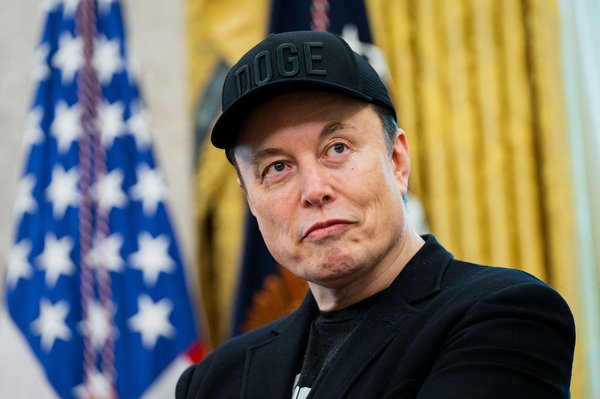
URGENT UPDATE: The Department of Government Efficiency (DOGE) has officially disbanded, according to a report released on Sunday by Reuters. This significant development marks a major setback in efforts to reduce federal spending, which were already under scrutiny for their effectiveness.
Just announced, the disbanding of DOGE highlights its limited impact on the federal budget, with experts questioning the validity of its claimed savings. Scott Kupar, head of the U.S. Office of Personnel Management, stated that while DOGE may no longer have centralized leadership, its principles are still upheld across federal agencies. In a social media post, Kupar emphasized, “The truth is: DOGE may not have centralized leadership… But, the principles of DOGE remain alive and well.”
Initially launched with high hopes during the Trump administration, DOGE was intended to be a driving force behind slashing government expenditure. However, its influence began to dwindle earlier this year after a public fallout between its creator, Elon Musk, and former President Donald Trump. Despite attempts to reconcile, DOGE never regained its authority to implement significant spending cuts, such as issuing layoff notices or terminating contracts.
Ten months post-establishment, DOGE serves as a stark illustration of the Trump administration’s struggle to achieve its budgetary goals amid political and legal challenges. The White House has not commented on this development, leaving many to speculate on the future of federal spending.
With claims of around $214 billion in savings, experts have raised serious doubts about the accuracy of these figures, suggesting they may be inflated due to double-counting and other inaccuracies. Jessica Riedl, a policy expert at the Brookings Institution, criticized the organization as “spending cut theatre” that failed to address the root causes of the federal deficit, particularly entitlement programs like Social Security and Medicare.
Bobby Kogan, senior director at the Center for American Progress Action Fund, labeled DOGE’s disbandment a “profound failure,” noting that overall government spending is projected to increase in the 2025 fiscal year. Kupar previously indicated that approximately 300,000 federal employees would be shed this year, equating to one in eight civilian employees, primarily through buyouts initiated by DOGE.
Despite the disbanding of DOGE, Musk remains active in U.S. political circles. Recently, he attended a high-profile dinner with Saudi Crown Prince Mohammed Bin Salman at the White House, highlighting his ongoing influence in political matters.
As the federal government navigates this critical juncture, the implications of DOGE’s disbandment resonate deeply, affecting not only federal employees but also taxpayers who are keenly aware of spending and efficiency in government operations. The fallout from this decision continues to develop, and all eyes will be on how federal agencies address the principles initially championed by DOGE.
Stay tuned as this story unfolds and impacts the landscape of federal spending and efficiency initiatives.

Homemade Ding Dong Cake Recipe Surges in Popularity, Perfect for Crowds

Eurozone Manufacturing PMI Dips to 49.6, Signals Economic Slowdown

Im Si Wan’s New Photos Spark Intense Online Debate Today

Holiday Gift Guide: Essential Tips for Coworker Gifting NOW

Navigate Holiday Gift-Giving for Coworkers with Ease

Readers React to Epstein Scandal and Playwright’s Legacy

SoftBank and Yaskawa Collaborate to Develop Advanced AI Robots

Broncos Triumph in Overtime as Bonitto Seals Victory Against Commanders

Search for Victims of Hong Kong Fire Approaches Conclusion

University of Hawaiʻi Joins $25.6M AI Initiative to Monitor Disasters

Toledo City League Announces Hall of Fame Inductees for 2024

DOJ Seizes $15 Billion in Bitcoin from Major Crypto Fraud Network

Sharp Launches Five New Aquos QLED 4K Ultra HD Smart TVs

Celtics Coach Joe Mazzulla Dominates Local Media in Scrimmage

Mutual Advisors LLC Increases Stake in SPDR Portfolio ETF

Community Unites for 7th Annual Walk to Raise Mental Health Awareness

Western Executives Confront Harsh Realities of China’s Manufacturing Edge

INK Entertainment Launches Exclusive Sofia Pop-Up at Virgin Hotels
-
Science4 weeks ago
University of Hawaiʻi Joins $25.6M AI Initiative to Monitor Disasters
-
 Lifestyle2 months ago
Toledo City League Announces Hall of Fame Inductees for 2024
-
 Business2 months ago
DOJ Seizes $15 Billion in Bitcoin from Major Crypto Fraud Network
-
 Top Stories2 months ago
Sharp Launches Five New Aquos QLED 4K Ultra HD Smart TVs
-
 Sports2 months ago
Celtics Coach Joe Mazzulla Dominates Local Media in Scrimmage
-
 Politics2 months ago
Mutual Advisors LLC Increases Stake in SPDR Portfolio ETF
-
 Health2 months ago
Community Unites for 7th Annual Walk to Raise Mental Health Awareness
-
 Science2 months ago
Western Executives Confront Harsh Realities of China’s Manufacturing Edge
-
 World2 months ago
INK Entertainment Launches Exclusive Sofia Pop-Up at Virgin Hotels
-

 Politics2 months ago
Major Networks Reject Pentagon’s New Reporting Guidelines
-

 Science1 month ago
Astronomers Discover Twin Cosmic Rings Dwarfing Galaxies
-

 Top Stories1 month ago
Randi Mahomes Launches Game Day Clothing Line with Chiefs