
World
Thomas King Reveals He Is Not Indigenous, Affects Career Path

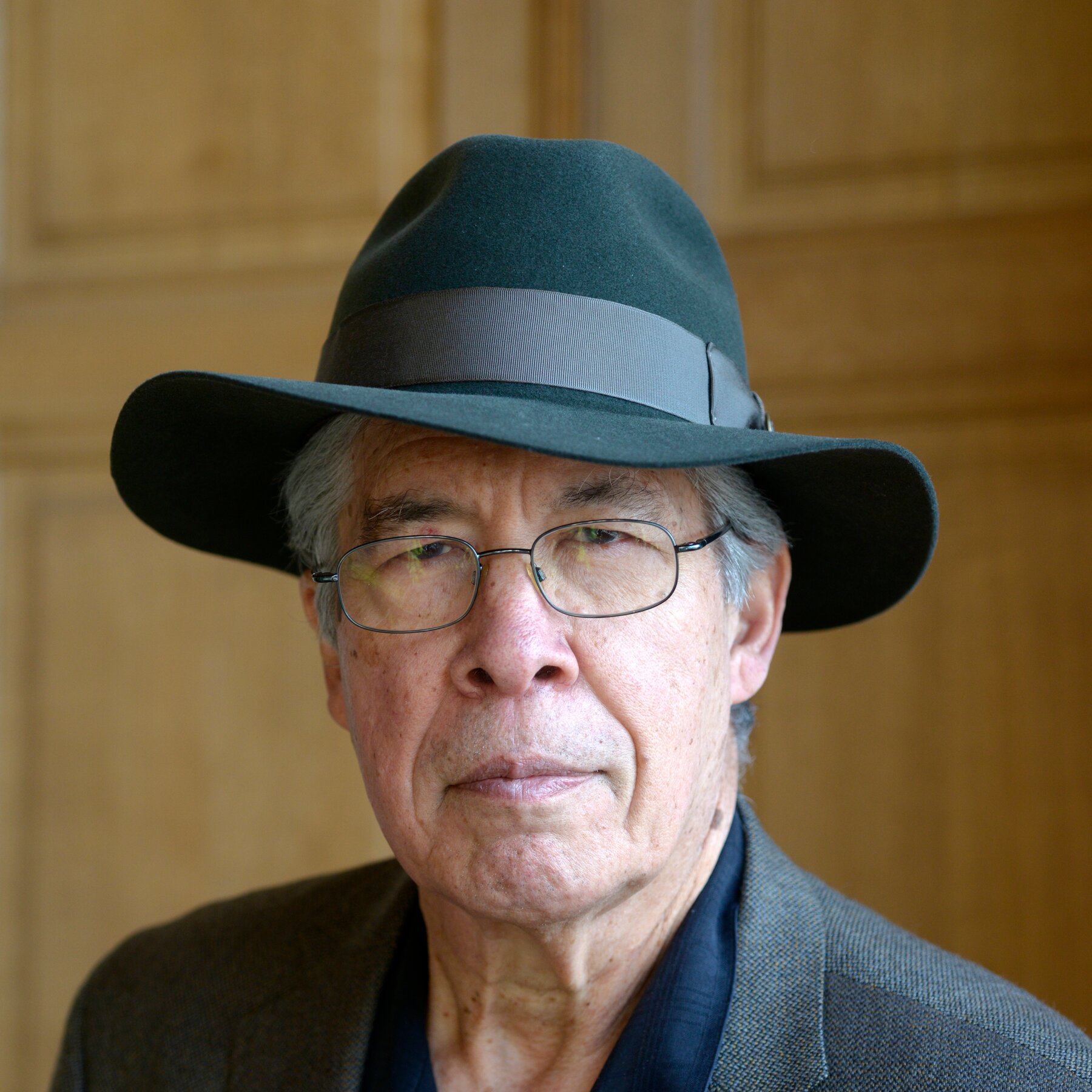
Renowned Canadian author Thomas King has publicly disclosed that he does not have Indigenous ancestry, a revelation that has left him feeling “ripped in half.” Known for his significant contributions to literature that explores Indigenous experiences, this admission raises questions about identity and representation in the literary world.
King, who has won numerous awards for his work, including the prestigious Governor General’s Literary Award, made the announcement during an interview with the Globe and Mail on October 15, 2023. Initially believing he had Indigenous heritage, King discovered through a genealogical investigation that he is not of Indigenous descent. This finding has profoundly impacted his personal and professional identity.
Impact on Career and Community Perception
For decades, King has been a prominent voice in advocating for the rights and representation of Indigenous Peoples in Canada and beyond. His critically acclaimed works, such as “The Inconvenient Indian” and “Medicine Walk”, have shaped conversations around Indigenous issues. With this new understanding of his ancestry, King expressed concerns about how this revelation might affect his legacy and the communities he has engaged with throughout his career.
In his interview, King reflected on the complexities of identity, stating, “I have always believed in the importance of authenticity in storytelling.” He emphasized that while he is not Indigenous, his commitment to amplifying Indigenous voices and narratives remains unchanged. King has taught American Indian Studies at various universities, including the University of California, Berkeley, where he has inspired countless students to explore Indigenous literature and culture.
Reactions from the Literary Community
The literary community has responded with a mix of empathy and reflection. Many fellow authors and advocates have expressed their support for King, recognizing the emotional turmoil he faces. Leanne Betasamosake Simpson, an Indigenous author and scholar, noted that King’s work has drawn attention to vital Indigenous issues, regardless of his personal ancestry. “His contributions to literature have opened doors for many Indigenous voices,” she stated.
Critics and commentators are now examining the broader implications of King’s revelation. Discussions surrounding cultural appropriation and authenticity in Indigenous representation are becoming increasingly prominent. Some argue that the literary field must grapple with these issues, particularly as more authors seek to engage with Indigenous narratives.
As King navigates this new chapter in his life, he remains dedicated to his mission of fostering understanding and dialogue about Indigenous experiences. His journey serves as a reminder of the complexities of identity and the importance of listening to and respecting the voices of those directly impacted by the stories being told.
King’s announcement may reshape his career trajectory, but his influence on literature and Indigenous advocacy is likely to endure. Through his work, he has carved out a space for critical conversations about identity, representation, and the power of storytelling.

Designers Unveil 5 Urgent Tricks to Transform Outdoor Eyesores

Shark Teeth Research Reveals Urgent Need to Protect Species

Church Members Unite in Resilience After Thanksgiving Fire

Community Unites to Attempt World Record for Largest Cookie Exchange

Mayor Lurie Appoints Alan Wong to District 4 Seat Amid Controversy

Mayor Appoints Alan Wong as New Supervisor for District 4

UK Report Reveals AI’s Role in Evaluating University Research Quality

Gabriela Jaquez Shines as No. 3 UCLA Dominates No. 14 Tennessee

Trump Promises to Release MRI Results Despite Uncertainty on Scan

University of Hawaiʻi Joins $25.6M AI Initiative to Monitor Disasters

Toledo City League Announces Hall of Fame Inductees for 2024

DOJ Seizes $15 Billion in Bitcoin from Major Crypto Fraud Network

Sharp Launches Five New Aquos QLED 4K Ultra HD Smart TVs

Celtics Coach Joe Mazzulla Dominates Local Media in Scrimmage

Mutual Advisors LLC Increases Stake in SPDR Portfolio ETF

Community Unites for 7th Annual Walk to Raise Mental Health Awareness

Western Executives Confront Harsh Realities of China’s Manufacturing Edge

INK Entertainment Launches Exclusive Sofia Pop-Up at Virgin Hotels
-
Science4 weeks ago
University of Hawaiʻi Joins $25.6M AI Initiative to Monitor Disasters
-
 Lifestyle2 months ago
Toledo City League Announces Hall of Fame Inductees for 2024
-
 Business2 months ago
DOJ Seizes $15 Billion in Bitcoin from Major Crypto Fraud Network
-
 Top Stories2 months ago
Sharp Launches Five New Aquos QLED 4K Ultra HD Smart TVs
-
 Sports2 months ago
Celtics Coach Joe Mazzulla Dominates Local Media in Scrimmage
-
 Politics2 months ago
Mutual Advisors LLC Increases Stake in SPDR Portfolio ETF
-
 Health2 months ago
Community Unites for 7th Annual Walk to Raise Mental Health Awareness
-
 Science2 months ago
Western Executives Confront Harsh Realities of China’s Manufacturing Edge
-
 World2 months ago
INK Entertainment Launches Exclusive Sofia Pop-Up at Virgin Hotels
-

 Politics2 months ago
Major Networks Reject Pentagon’s New Reporting Guidelines
-

 Science1 month ago
Astronomers Discover Twin Cosmic Rings Dwarfing Galaxies
-

 Top Stories1 month ago
Randi Mahomes Launches Game Day Clothing Line with Chiefs