
Business
China’s Gig Economy Faces Economic Risks Amid Resilience Signs

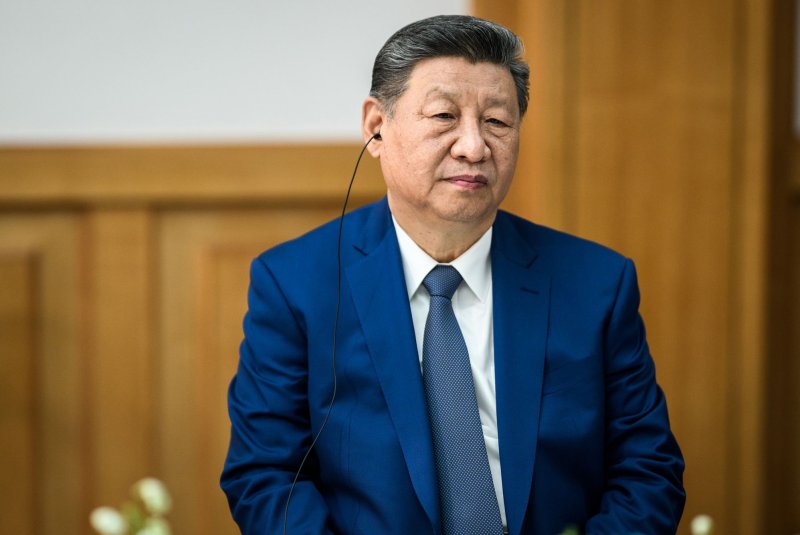
China’s growing population of gig workers presents potential economic challenges, despite the country’s unexpected resilience in 2023. According to reports from Beijing-based correspondent Hong Soon-do, the nation’s economy is projected to achieve a trade surplus exceeding $1 trillion this year, while growth is anticipated to meet a target of around 5%. However, the substantial number of flexible workers poses a significant risk that could undermine this progress.
The term “flexible workers” encompasses a diverse group, including freelancers, food delivery personnel, couriers, and ride-sharing drivers. As reported by Hong, more than 200 million individuals are engaged in these types of employment across China, often lacking stable job security. While many earn an average monthly income of approximately 6,000 yuan (around $830), their financial stability remains precarious.
At the recent Central Economic Work Conference held on December 10-11, 2023, under the leadership of President Xi Jinping, officials acknowledged the need to address the issues faced by flexible workers. Discussions included the promotion of social insurance enrollment for those in new forms of employment. This initiative comes in light of concerns regarding the high level of unemployment among young people aged 16 to 24, particularly those who are not currently enrolled in educational institutions.
The challenges of the gig economy extend beyond financial instability. The appreciation of the yuan and persistent deflationary pressures contribute to a complex economic landscape. As Hong notes, the potential for job loss or illness could leave many workers vulnerable, lacking the necessary safeguards that social security systems provide.
A Beijing delivery driver, identified as Qin Fengjun, shared his perspective on the matter, stating that earning 10,000 yuan (approximately $1,400) through gig work is meaningless without social security. “If I lose my job or get sick, I am left with nothing,” he explained.
As China’s economic authorities consider strategies for long-term growth, it is crucial to proactively address the vulnerabilities of a large segment of the workforce that currently operates outside traditional employment structures. The government’s ability to integrate these workers into a social safety net will be vital in ensuring sustainable economic development and mitigating risks associated with an increasingly flexible labor market.

Harden Declares Clippers Ready to Surge Back into Playoffs

Salesforce CEO Calls AI-Related Suicides ‘Darkest Aspect’ of Tech

Navigating Family Dynamics: Finding Your Voice Amid Exclusion

Tensions Rise as Denmark and U.S. Discuss Greenland’s Future

New Study Redefines Dark Matter: From Cold to Hot Origins

Penguins Secure Victory, Reclaim First Place in Atlantic Division

Investigators Identify Faulty Part in UPS MD-11 Crash

Elon Musk Denies Grok AI Generated Explicit Images of Minors

Willow Smith Stuns in Daring Swimwear Look, Fans React Now!

University of Hawaiʻi Joins $25.6M AI Initiative to Monitor Disasters

Interstellar Object 3I/ATLAS Emits Unprecedented Metal Alloy

Toledo City League Announces Hall of Fame Inductees for 2024

DOJ Seizes $15 Billion in Bitcoin from Major Crypto Fraud Network

Western Executives Confront Harsh Realities of China’s Manufacturing Edge

Sharp Launches Five New Aquos QLED 4K Ultra HD Smart TVs

Mutual Advisors LLC Increases Stake in SPDR Portfolio ETF

Celtics Coach Joe Mazzulla Dominates Local Media in Scrimmage

Community Unites for 7th Annual Walk to Raise Mental Health Awareness
-
Science2 months ago
University of Hawaiʻi Joins $25.6M AI Initiative to Monitor Disasters
-
 Science3 months ago
Interstellar Object 3I/ATLAS Emits Unprecedented Metal Alloy
-
 Lifestyle3 months ago
Toledo City League Announces Hall of Fame Inductees for 2024
-
 Business3 months ago
DOJ Seizes $15 Billion in Bitcoin from Major Crypto Fraud Network
-
 Science3 months ago
Western Executives Confront Harsh Realities of China’s Manufacturing Edge
-
 Top Stories3 months ago
Sharp Launches Five New Aquos QLED 4K Ultra HD Smart TVs
-
 Politics3 months ago
Mutual Advisors LLC Increases Stake in SPDR Portfolio ETF
-
 Sports3 months ago
Celtics Coach Joe Mazzulla Dominates Local Media in Scrimmage
-
 Health3 months ago
Community Unites for 7th Annual Walk to Raise Mental Health Awareness
-

 Politics3 months ago
Major Networks Reject Pentagon’s New Reporting Guidelines
-

 World3 months ago
INK Entertainment Launches Exclusive Sofia Pop-Up at Virgin Hotels
-

 Top Stories3 months ago
Microsoft Releases Urgent Windows 11 25H2 Update for All Users