
Business
Global Debate Intensifies Over Deep-Sea Mining Impact

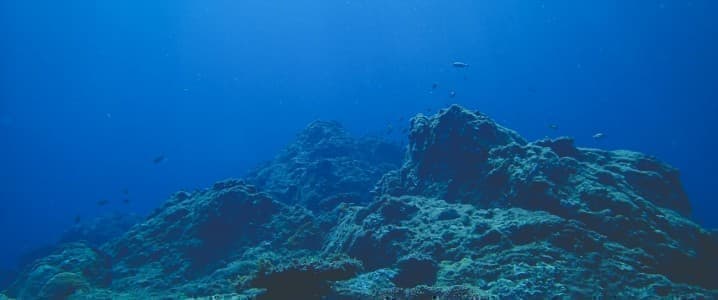
The debate over deep-sea mining has escalated as global demand for critical minerals surges. Governments and companies are exploring seabed mining as a potential solution, but new research has raised significant concerns about its environmental impact. A study published in December, backed by The Metals Company, revealed alarming effects on marine ecosystems that could delay commercial operations indefinitely.
Researchers from the Natural History Museum in London conducted a study in the Clarion-Clipperton Zone, an area in the Pacific Ocean between Hawaii and Mexico recognized for its rich deposits of nickel, cobalt, copper, and manganese. Their analysis found that mining operations resulted in a 37 percent reduction in the population of small marine animals, including worms and crustaceans, as well as a 32 percent decline in species diversity. This area, located approximately 4,000 metres beneath the ocean’s surface, has become a focal point for mining interests.
The Metals Company has invested $250 million in environmental studies to assess the impacts of seabed mining. These studies are crucial for obtaining an environmental impact statement required by regulators before commercial activities can commence. While the UN International Seabed Authority has not yet approved commercial mining, it has issued 31 licences for exploration in various regions.
Seabed mining involves using autonomous vehicles to collect mineral-rich nodules from the seafloor, which are then transported to ships for processing. The Metals Company aims to mine 1.5 million tons of nodules in its first year of operation. Despite the recent research findings, the company expressed confidence, stating that the observed reductions were lower than expected and that populations would likely recover over time. They also plan to leave approximately 10 percent of nodules unmined.
Previous assumptions suggested that life was sparse in the deep-sea environment due to extreme conditions. However, this new study has identified 788 species of macrofauna in the Clarion-Clipperton Zone, indicating a rich biodiversity that has yet to be fully explored. Lead author Eva Stewart emphasized that only a small portion of the deep sea has been sampled, suggesting that many more undiscovered species may exist.
Further complicating the debate is the issue of sediment release during mining operations, which can disrupt the food supply for small marine organisms, including zooplankton and squid. The Metals Company has indicated that it may alter its operational plans to mitigate these effects by releasing waste material deeper in the ocean, away from critical food sources.
Experts have voiced serious concerns regarding the broader implications of deep-sea mining. Patrick Schröder, a senior research fellow at the Environment and Society Centre at Chatham House, stated, “I think the study shows that current technologies for harvesting are too damaging to permit large-scale commercial exploration.” He highlighted the potential long-term consequences of biodiversity loss due to mining activities.
Another study examining a 44-year-old deep-sea mining test site revealed that biodiversity losses can persist for decades. Approximately 30 percent of small seabed animals depend on mineral-rich nodules for survival, and their decline could have cascading effects throughout the marine food web.
Despite these environmental challenges, deep-sea mining remains an attractive option for many countries seeking stable supplies of critical minerals. Currently, 37 countries have supported a temporary ban on seabed mining, and Norway has recently postponed its mining plans, particularly in the Arctic region. Conversely, in April, U.S. President Donald Trump announced initiatives to fast-track both domestic and international mining projects to bolster the nation’s critical mineral supply chain. In an executive order, Trump remarked, “Vast offshore seabed areas hold critical minerals and energy resources… Our Nation can, through the exercise of existing authorities and by establishing international partnerships, access potentially vast resources in seabed polymetallic nodules.”
As new research continues to emerge, the future of deep-sea mining remains uncertain. While some countries may be deterred from pursuing these projects due to environmental concerns, others are likely to proceed, viewing seabed mining as essential for their economies. The issue continues to divide experts, with growing apprehension regarding the potentially devastating impact on marine life and ecosystems.

Urgent Events This Week: Gasparilla Tennis Classic & Bo Jackson Speaks

Harmony Korine Launches ‘Katch’ Webtoon Through EDGLRD Studio

Top 10 Blue Chip Stocks to Watch in 2026 for Investors

Kay Flock Seeks Appeal Against 30-Year Sentence for Serious Convictions

New Study Links Immunotherapy to Improved Alcohol Addiction Treatment

Marcello Hernández Celebrates His Mother in Netflix Special

Colorado Lawmakers Target Health Care, Housing, and Workforce in 2026

Brooks Nader Stuns Fans with Eye-Catching Swimsuit Selfie

Beatles Autographs and Guitar String Expected to Fetch Thousands

University of Hawaiʻi Joins $25.6M AI Initiative to Monitor Disasters

Interstellar Object 3I/ATLAS Emits Unprecedented Metal Alloy

Toledo City League Announces Hall of Fame Inductees for 2024

DOJ Seizes $15 Billion in Bitcoin from Major Crypto Fraud Network

Western Executives Confront Harsh Realities of China’s Manufacturing Edge

Mutual Advisors LLC Increases Stake in SPDR Portfolio ETF

Sharp Launches Five New Aquos QLED 4K Ultra HD Smart TVs

Community Unites for 7th Annual Walk to Raise Mental Health Awareness

Celtics Coach Joe Mazzulla Dominates Local Media in Scrimmage
-
Science2 months ago
University of Hawaiʻi Joins $25.6M AI Initiative to Monitor Disasters
-
 Science3 months ago
Interstellar Object 3I/ATLAS Emits Unprecedented Metal Alloy
-
 Lifestyle3 months ago
Toledo City League Announces Hall of Fame Inductees for 2024
-
 Business3 months ago
DOJ Seizes $15 Billion in Bitcoin from Major Crypto Fraud Network
-
 Science3 months ago
Western Executives Confront Harsh Realities of China’s Manufacturing Edge
-
 Politics3 months ago
Mutual Advisors LLC Increases Stake in SPDR Portfolio ETF
-
 Top Stories3 months ago
Sharp Launches Five New Aquos QLED 4K Ultra HD Smart TVs
-
 Health3 months ago
Community Unites for 7th Annual Walk to Raise Mental Health Awareness
-
 Sports3 months ago
Celtics Coach Joe Mazzulla Dominates Local Media in Scrimmage
-

 Politics3 months ago
Major Networks Reject Pentagon’s New Reporting Guidelines
-

 World3 months ago
INK Entertainment Launches Exclusive Sofia Pop-Up at Virgin Hotels
-

 Top Stories3 months ago
Microsoft Releases Urgent Windows 11 25H2 Update for All Users