
Business
Google AI Miscalculation Sparks Confusion, Musk Weighs In

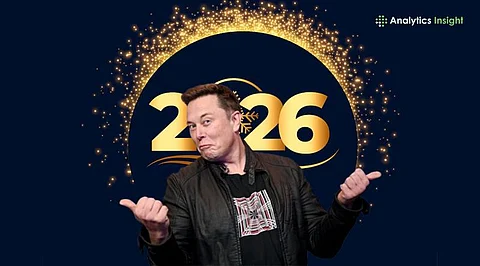
Google’s AI Overview recently made headlines after inaccurately stating that 2026 is the next year, causing widespread confusion among users. The misstep quickly gained attention on social media, leading to reactions from individuals, including tech entrepreneur Elon Musk, who commented on the incident. This occurrence has reignited discussions around the reliability of AI technologies and their potential pitfalls.
The issue arose when a user on X, formerly known as Twitter, shared a screenshot of a Google Search query that questioned whether 2027 was the upcoming year. In response, Google’s AI Overview stated, “No, 2027 is not next year. 2026 is next year.” Musk’s reaction was straightforward, remarking “Room for improvement.” His comment underscored a significant concern: the accuracy of automated systems that many users depend on for information.
As Google continues to enhance its algorithms through artificial intelligence and machine learning, errors like this remain a possibility. Users have experienced inaccuracies in various forms, such as featured snippets or instant answers derived from multiple data sources. This incident is not an isolated event; Google’s AI Overview has a history of inaccuracies, including a previous claim that labeled the video game Call of Duty: Black Ops 7 a hoax.
Musk did highlight the capabilities of his own AI chatbot, Grok AI, although he refrained from directing users to it. Grok AI has faced scrutiny in the past, notably for labeling former US President Donald Trump as the “biggest threat to America” and generating controversial content, including explicit deepfakes.
Addressing Misinformation and Improving AI Accuracy
For users who encounter misinformation, Google provides a mechanism to report inaccuracies. By clicking the ‘send feedback’ or ‘thumbs down’ icon at the bottom of the AI Overview, users can indicate that a response is “not factually correct.” As advanced AI tools gain prominence, reliability and transparency remain essential factors for users when seeking accurate information.
A representative from Google emphasized the capabilities of its AI Mode, which is based on the latest Gemini models. They stated, “The vast majority of AI Overviews are highly factual, and we’ve continued to make improvements to both the helpfulness and quality of responses.” The spokesperson assured users that as AI technology evolves, more accurate results will be featured in AI Overviews.
The Importance of Verification in the Age of AI
Google Search has long been a trusted resource for users seeking quick answers to a variety of inquiries. While it serves millions globally, the recent error raises important questions about the reliability of AI-generated information. Users are reminded that while many responses may be accurate, occasional mistakes can occur, particularly in critical areas like dates, finance, health, or legal matters.
This incident serves as a crucial reminder for individuals to verify important information, especially when it pertains to significant decisions. Despite the occasional inaccuracies, Google remains a pivotal player in the search engine landscape, and its ongoing improvements aim to enhance user experience and confidence in AI technologies. As the digital landscape evolves, ensuring the accuracy of information will remain a vital task for both AI developers and users alike.

Salesforce CEO Calls AI-Related Suicides ‘Darkest Aspect’ of Tech

Navigating Family Dynamics: Finding Your Voice Amid Exclusion

Tensions Rise as Denmark and U.S. Discuss Greenland’s Future

New Study Redefines Dark Matter: From Cold to Hot Origins

Penguins Secure Victory, Reclaim First Place in Atlantic Division

Investigators Identify Faulty Part in UPS MD-11 Crash

Elon Musk Denies Grok AI Generated Explicit Images of Minors

Willow Smith Stuns in Daring Swimwear Look, Fans React Now!

South Korea Unveils Ramen Experiences for Tourists at Airports

University of Hawaiʻi Joins $25.6M AI Initiative to Monitor Disasters

Interstellar Object 3I/ATLAS Emits Unprecedented Metal Alloy

Toledo City League Announces Hall of Fame Inductees for 2024

DOJ Seizes $15 Billion in Bitcoin from Major Crypto Fraud Network

Western Executives Confront Harsh Realities of China’s Manufacturing Edge

Sharp Launches Five New Aquos QLED 4K Ultra HD Smart TVs

Mutual Advisors LLC Increases Stake in SPDR Portfolio ETF

Celtics Coach Joe Mazzulla Dominates Local Media in Scrimmage

Community Unites for 7th Annual Walk to Raise Mental Health Awareness
-
Science2 months ago
University of Hawaiʻi Joins $25.6M AI Initiative to Monitor Disasters
-
 Science3 months ago
Interstellar Object 3I/ATLAS Emits Unprecedented Metal Alloy
-
 Lifestyle3 months ago
Toledo City League Announces Hall of Fame Inductees for 2024
-
 Business3 months ago
DOJ Seizes $15 Billion in Bitcoin from Major Crypto Fraud Network
-
 Science3 months ago
Western Executives Confront Harsh Realities of China’s Manufacturing Edge
-
 Top Stories3 months ago
Sharp Launches Five New Aquos QLED 4K Ultra HD Smart TVs
-
 Politics3 months ago
Mutual Advisors LLC Increases Stake in SPDR Portfolio ETF
-
 Sports3 months ago
Celtics Coach Joe Mazzulla Dominates Local Media in Scrimmage
-
 Health3 months ago
Community Unites for 7th Annual Walk to Raise Mental Health Awareness
-

 Politics3 months ago
Major Networks Reject Pentagon’s New Reporting Guidelines
-

 World3 months ago
INK Entertainment Launches Exclusive Sofia Pop-Up at Virgin Hotels
-

 Top Stories3 months ago
Microsoft Releases Urgent Windows 11 25H2 Update for All Users