
Business
Iran’s Oil Production Faces Challenges After U.S. Action in Venezuela

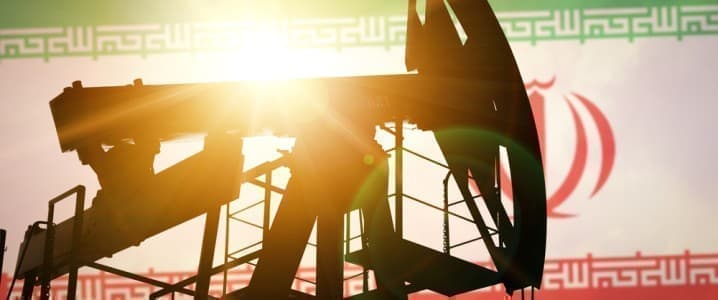
Iran’s oil production is encountering significant hurdles following recent U.S. military actions in Venezuela. Despite achieving record levels of output, Iran’s energy sector faces renewed uncertainty as trade partners reassess their dealings with the country amidst heightened geopolitical tensions. The U.S. intervention in Venezuela on January 3, 2024, has raised questions about potential ramifications for Iran, which has been navigating sanctions since 2018.
Over the past few months, Iran has increased its oil output to levels not seen in years, even with ongoing U.S. sanctions and military strikes by Israel. The nation has cultivated strong ties with China and other global powers, allowing it to bypass restrictions and maintain crude exports. Estimates suggest that Iran’s production could reach between 3.2 million and 4 million barrels per day (bpd) in 2024, recovering from a low of 2.9 million bpd in 2019.
Iran holds the world’s fourth-largest proven oil reserves, accounting for approximately 9 percent of global totals, trailing only behind Venezuela, Saudi Arabia, and Canada. The country also possesses significant natural gas reserves, representing 17 percent of global shares. Historically, Iran was a major player in the oil market, producing over 6 million bpd at its peak in 1974. However, sanctions and conflict have severely impacted its production capabilities.
Despite the obstacles, Iran has managed to rebuild its oil output, largely due to a combination of lax enforcement of U.S. sanctions and its strategic partnerships. China’s role is pivotal, as it has become the primary buyer of Iranian crude, accounting for around 13.6 percent of China’s oil imports in the first half of 2025. Reports indicate that China has been purchasing approximately 1.38 million bpd of Iranian oil, facilitated by discounted prices that make Iranian crude attractive amid sanctions.
Chinese independent refiners, often referred to as “teapots,” dominate the market for Iranian oil. These smaller companies, particularly those based in Shandong Province, have increased their purchases of Iranian crude, especially following new import quotas in November. However, state-owned oil companies in China tend to steer clear of Iranian oil due to concerns over U.S. sanctions.
While Iran’s export levels have improved, the country’s economy remains precarious. Inflation has soared, with a headline rate of 42.2% recorded in December. A former senior Iranian oil official expressed that even with rising export volumes, the key issue lies in the repatriation of revenues, which faces numerous hurdles. This ongoing economic strain has led to widespread protests within Iran, exacerbated by the government’s decision to raise gasoline prices to counter unsustainable subsidies.
The recent U.S. military intervention in Venezuela, which involved the capture of President Nicolas Maduro, has sparked concerns about potential U.S. actions in Iran. President Donald Trump has hinted at military options in other countries, including Colombia and Mexico, raising the stakes for Iranian officials, who have warned that U.S. intervention could provoke retaliatory actions against American troops.
As both Iran and Venezuela face sanctions, the geopolitical landscape is shifting. The U.S. action in Venezuela is likely to impact future oil trade dynamics, potentially causing Chinese refiners to reconsider their reliance on Iranian crude. The long-term effects of these developments remain uncertain, with analysts closely monitoring the evolving situation.

Salesforce CEO Calls AI-Related Suicides ‘Darkest Aspect’ of Tech

Navigating Family Dynamics: Finding Your Voice Amid Exclusion

Tensions Rise as Denmark and U.S. Discuss Greenland’s Future

New Study Redefines Dark Matter: From Cold to Hot Origins

Penguins Secure Victory, Reclaim First Place in Atlantic Division

Investigators Identify Faulty Part in UPS MD-11 Crash

Elon Musk Denies Grok AI Generated Explicit Images of Minors

Willow Smith Stuns in Daring Swimwear Look, Fans React Now!

South Korea Unveils Ramen Experiences for Tourists at Airports

University of Hawaiʻi Joins $25.6M AI Initiative to Monitor Disasters

Interstellar Object 3I/ATLAS Emits Unprecedented Metal Alloy

Toledo City League Announces Hall of Fame Inductees for 2024

DOJ Seizes $15 Billion in Bitcoin from Major Crypto Fraud Network

Western Executives Confront Harsh Realities of China’s Manufacturing Edge

Sharp Launches Five New Aquos QLED 4K Ultra HD Smart TVs

Mutual Advisors LLC Increases Stake in SPDR Portfolio ETF

Celtics Coach Joe Mazzulla Dominates Local Media in Scrimmage

Community Unites for 7th Annual Walk to Raise Mental Health Awareness
-
Science2 months ago
University of Hawaiʻi Joins $25.6M AI Initiative to Monitor Disasters
-
 Science3 months ago
Interstellar Object 3I/ATLAS Emits Unprecedented Metal Alloy
-
 Lifestyle3 months ago
Toledo City League Announces Hall of Fame Inductees for 2024
-
 Business3 months ago
DOJ Seizes $15 Billion in Bitcoin from Major Crypto Fraud Network
-
 Science3 months ago
Western Executives Confront Harsh Realities of China’s Manufacturing Edge
-
 Top Stories3 months ago
Sharp Launches Five New Aquos QLED 4K Ultra HD Smart TVs
-
 Politics3 months ago
Mutual Advisors LLC Increases Stake in SPDR Portfolio ETF
-
 Sports3 months ago
Celtics Coach Joe Mazzulla Dominates Local Media in Scrimmage
-
 Health3 months ago
Community Unites for 7th Annual Walk to Raise Mental Health Awareness
-

 Politics3 months ago
Major Networks Reject Pentagon’s New Reporting Guidelines
-

 World3 months ago
INK Entertainment Launches Exclusive Sofia Pop-Up at Virgin Hotels
-

 Top Stories3 months ago
Microsoft Releases Urgent Windows 11 25H2 Update for All Users