
Business
NYC Congestion Pricing Cuts Traffic by 11% and Boosts Revenue

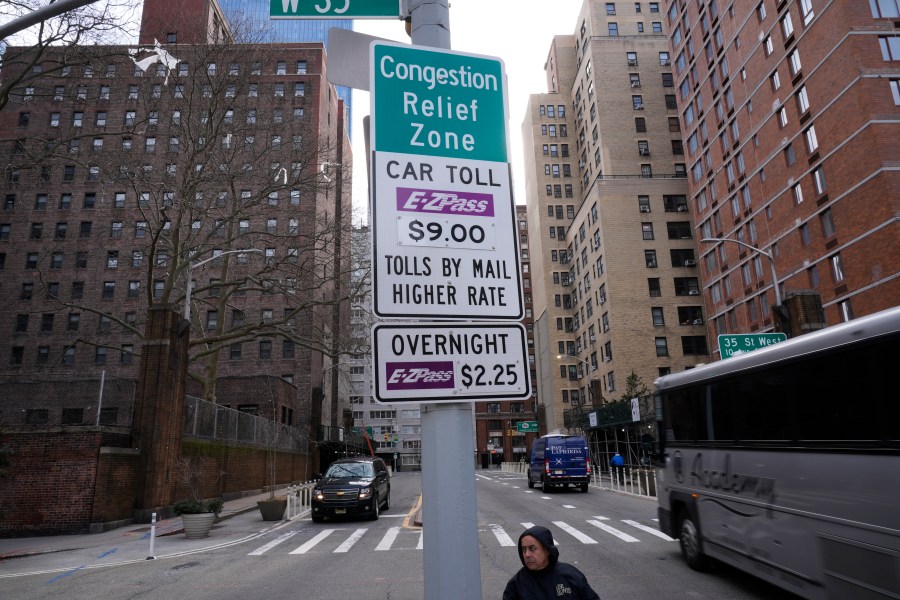
New York City’s congestion pricing program has achieved significant outcomes, reducing traffic by 11% and generating $550 million in revenue within its first year of implementation. Governor Kathy Hochul announced these figures, highlighting the program’s dual benefits of less congestion and enhanced safety for both cyclists and pedestrians.
The initiative, aimed at managing traffic flow in Manhattan, faced considerable opposition from various groups, including suburban drivers, Republican lawmakers, and residents of New Jersey. Critics argue that the program unfairly burdens those commuting into the city, particularly during peak hours. Despite these challenges, the city reported a marked decrease in traffic congestion, leading to safer streets and a more efficient urban environment.
The funds generated from the congestion pricing are earmarked for improving public transportation and enhancing infrastructure. According to Governor Hochul, this influx of revenue is essential for maintaining and expanding transit options, which ultimately benefits all users of the city’s transportation network.
Data from the New York City Department of Transportation indicates that the reduction in traffic has also resulted in fewer accidents involving cyclists and pedestrians. This aligns with broader safety initiatives aimed at promoting active transportation modes, which have gained traction in urban planning discussions worldwide.
The congestion pricing scheme, which began in April 2022, is part of a growing trend among major cities to implement similar measures to combat urban traffic woes. Cities like London and Stockholm have pioneered this approach, demonstrating that congestion pricing can effectively reduce traffic while raising necessary funds for public services.
Despite the apparent successes, the program remains contentious. Opponents continue to voice concerns about its impact on low-income commuters and the potential for increased costs associated with travel into the city. As discussions around urban mobility evolve, stakeholders will need to balance economic viability with the need for equitable access to city resources.
The ongoing debate surrounding New York City’s congestion pricing program reflects broader issues of urban planning and transportation equity. As cities adapt to changing economic and environmental realities, innovative solutions such as this will increasingly be scrutinized for their effectiveness and fairness.
In conclusion, New York City’s congestion pricing initiative has not only reduced traffic congestion but has also provided a substantial financial boost. With ongoing evaluations and adjustments, the program may serve as a model for other cities grappling with similar challenges in urban transportation.

Salesforce CEO Calls AI-Related Suicides ‘Darkest Aspect’ of Tech

Navigating Family Dynamics: Finding Your Voice Amid Exclusion

Tensions Rise as Denmark and U.S. Discuss Greenland’s Future

New Study Redefines Dark Matter: From Cold to Hot Origins

Penguins Secure Victory, Reclaim First Place in Atlantic Division

Investigators Identify Faulty Part in UPS MD-11 Crash

Elon Musk Denies Grok AI Generated Explicit Images of Minors

Willow Smith Stuns in Daring Swimwear Look, Fans React Now!

South Korea Unveils Ramen Experiences for Tourists at Airports

University of Hawaiʻi Joins $25.6M AI Initiative to Monitor Disasters

Interstellar Object 3I/ATLAS Emits Unprecedented Metal Alloy

Toledo City League Announces Hall of Fame Inductees for 2024

DOJ Seizes $15 Billion in Bitcoin from Major Crypto Fraud Network

Western Executives Confront Harsh Realities of China’s Manufacturing Edge

Sharp Launches Five New Aquos QLED 4K Ultra HD Smart TVs

Mutual Advisors LLC Increases Stake in SPDR Portfolio ETF

Celtics Coach Joe Mazzulla Dominates Local Media in Scrimmage

Community Unites for 7th Annual Walk to Raise Mental Health Awareness
-
Science2 months ago
University of Hawaiʻi Joins $25.6M AI Initiative to Monitor Disasters
-
 Science3 months ago
Interstellar Object 3I/ATLAS Emits Unprecedented Metal Alloy
-
 Lifestyle3 months ago
Toledo City League Announces Hall of Fame Inductees for 2024
-
 Business3 months ago
DOJ Seizes $15 Billion in Bitcoin from Major Crypto Fraud Network
-
 Science3 months ago
Western Executives Confront Harsh Realities of China’s Manufacturing Edge
-
 Top Stories3 months ago
Sharp Launches Five New Aquos QLED 4K Ultra HD Smart TVs
-
 Politics3 months ago
Mutual Advisors LLC Increases Stake in SPDR Portfolio ETF
-
 Sports3 months ago
Celtics Coach Joe Mazzulla Dominates Local Media in Scrimmage
-
 Health3 months ago
Community Unites for 7th Annual Walk to Raise Mental Health Awareness
-

 Politics3 months ago
Major Networks Reject Pentagon’s New Reporting Guidelines
-

 World3 months ago
INK Entertainment Launches Exclusive Sofia Pop-Up at Virgin Hotels
-

 Top Stories3 months ago
Microsoft Releases Urgent Windows 11 25H2 Update for All Users