
Business
Supreme Court to Review Trump Tariffs, Shaping Future Trade Policy

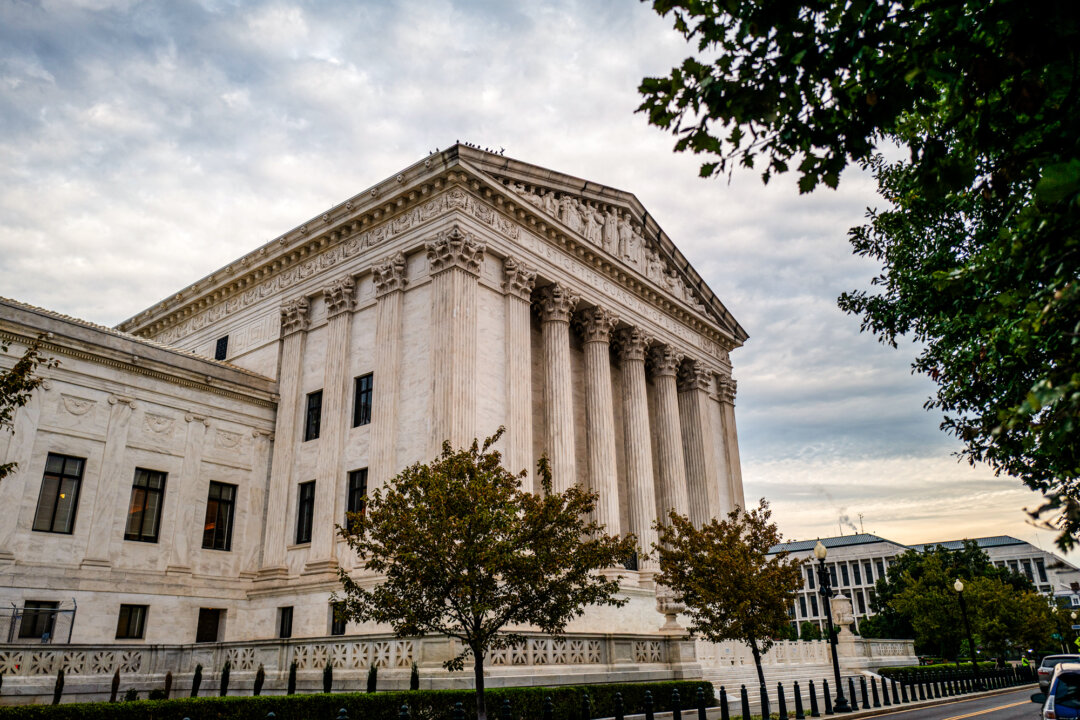
The United States Supreme Court is set to hear a pivotal case concerning former President Donald Trump‘s tariffs, which could significantly impact U.S. trade policy. This case examines whether Trump exceeded his authority under the 1977 International Emergency Economic Powers Act (IEEPA) when he imposed extensive tariffs on several trading partners. The implications of this decision could redefine the balance of power between the presidency and Congress.
The tariffs in question have altered global supply chains and heightened tensions with nations such as China and countries across Europe. The court’s ruling, which is expected to be announced during its 2025–2026 term, could reshape trade law in the U.S. and clarify the extent of presidential powers in economic matters.
With the case generating significant attention, legal scholars and trade experts are closely monitoring its developments. The outcome may not only influence future tariff policies but also set precedents regarding executive authority in international trade.
The Supreme Court’s decision will address critical questions about the scope of power granted to the executive branch versus that of Congress. This case follows a series of legal challenges surrounding Trump’s tariffs, which were implemented to protect U.S. industries from foreign competition. Critics argue that these tariffs have led to increased costs for American consumers and strained relations with key allies.
The implications of this case extend beyond legal interpretation; they touch on the broader economic relationships the U.S. maintains globally. Countries affected by the tariffs have expressed concerns about the long-term impact on trade dynamics and economic stability. The ruling could either affirm the president’s broad authority to impose tariffs under emergency powers or limit such actions, potentially leading to a reassessment of future trade policies.
As the court prepares to hear arguments, the business community is bracing for the potential outcomes. Companies that rely on international supply chains are particularly anxious, as changes in tariff policy could affect pricing, operations, and profitability.
In summary, the Supreme Court’s review of the tariff case will be a crucial moment in defining U.S. trade policy, with the potential to alter the relationship between the legislative and executive branches. The ruling will be closely watched not only for its immediate effects but also for its long-term implications on international trade relations.

Salesforce CEO Calls AI-Related Suicides ‘Darkest Aspect’ of Tech

Navigating Family Dynamics: Finding Your Voice Amid Exclusion

Tensions Rise as Denmark and U.S. Discuss Greenland’s Future

New Study Redefines Dark Matter: From Cold to Hot Origins

Penguins Secure Victory, Reclaim First Place in Atlantic Division

Investigators Identify Faulty Part in UPS MD-11 Crash

Elon Musk Denies Grok AI Generated Explicit Images of Minors

Willow Smith Stuns in Daring Swimwear Look, Fans React Now!

South Korea Unveils Ramen Experiences for Tourists at Airports

University of Hawaiʻi Joins $25.6M AI Initiative to Monitor Disasters

Interstellar Object 3I/ATLAS Emits Unprecedented Metal Alloy

Toledo City League Announces Hall of Fame Inductees for 2024

DOJ Seizes $15 Billion in Bitcoin from Major Crypto Fraud Network

Western Executives Confront Harsh Realities of China’s Manufacturing Edge

Sharp Launches Five New Aquos QLED 4K Ultra HD Smart TVs

Mutual Advisors LLC Increases Stake in SPDR Portfolio ETF

Celtics Coach Joe Mazzulla Dominates Local Media in Scrimmage

Community Unites for 7th Annual Walk to Raise Mental Health Awareness
-
Science2 months ago
University of Hawaiʻi Joins $25.6M AI Initiative to Monitor Disasters
-
 Science3 months ago
Interstellar Object 3I/ATLAS Emits Unprecedented Metal Alloy
-
 Lifestyle3 months ago
Toledo City League Announces Hall of Fame Inductees for 2024
-
 Business3 months ago
DOJ Seizes $15 Billion in Bitcoin from Major Crypto Fraud Network
-
 Science3 months ago
Western Executives Confront Harsh Realities of China’s Manufacturing Edge
-
 Top Stories3 months ago
Sharp Launches Five New Aquos QLED 4K Ultra HD Smart TVs
-
 Politics3 months ago
Mutual Advisors LLC Increases Stake in SPDR Portfolio ETF
-
 Sports3 months ago
Celtics Coach Joe Mazzulla Dominates Local Media in Scrimmage
-
 Health3 months ago
Community Unites for 7th Annual Walk to Raise Mental Health Awareness
-
 Politics3 months ago
Major Networks Reject Pentagon’s New Reporting Guidelines
-

 World3 months ago
INK Entertainment Launches Exclusive Sofia Pop-Up at Virgin Hotels
-

 Top Stories3 months ago
Microsoft Releases Urgent Windows 11 25H2 Update for All Users