
Business
Sydney Mandates All-Electric New Buildings, Banning Gas by 2027

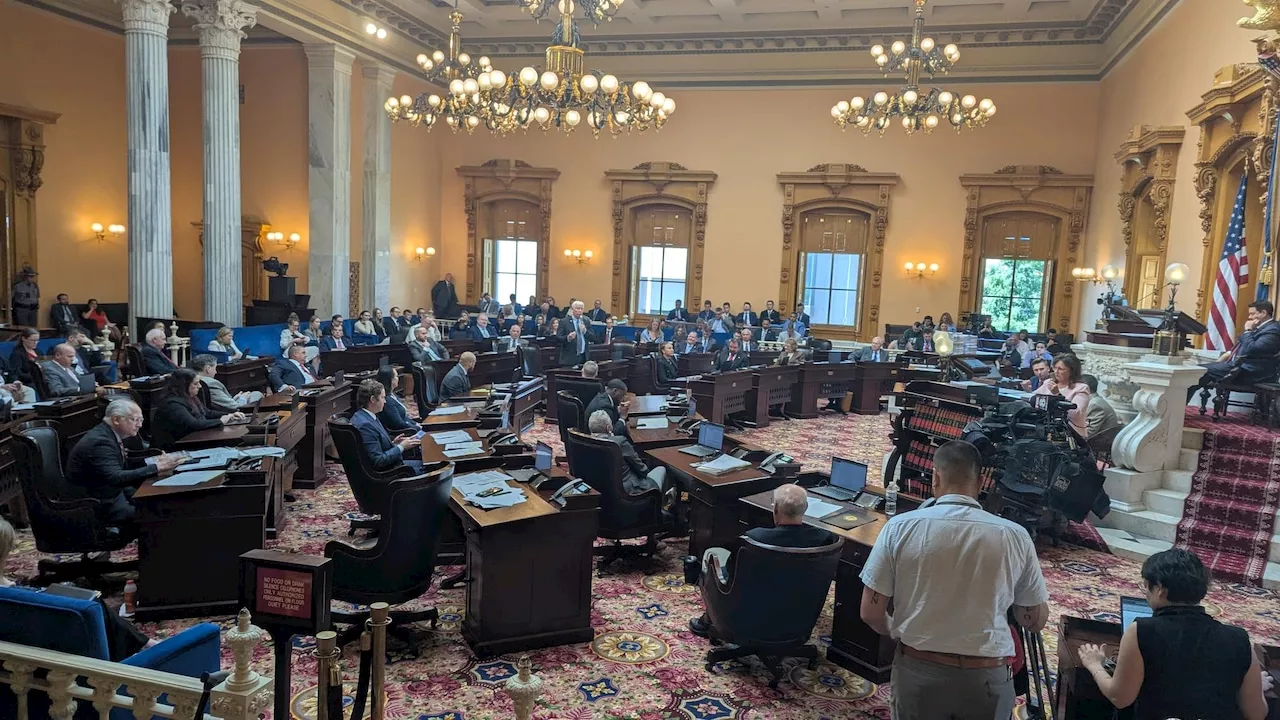
Sydney, Australia, has announced a significant shift in its construction policy, mandating that all new residential and many commercial buildings be fully electrified by 2027, effectively banning the use of gas. This initiative, led by Lord Mayor Clover Moore, aims to enhance public health, reduce energy costs, and promote environmental sustainability. However, the decision has sparked criticism regarding potential impacts on energy reliability and construction costs.
Under the new regulations, all newly constructed households will be required to operate exclusively on electricity. The mandate extends to medium to large commercial buildings, including hotels and serviced apartments. This follows earlier restrictions enacted by the Sydney City Council that limited the use of indoor gas appliances, such as stoves and heaters, in new homes.
In announcing the policy, Moore stated, “Relying on gas is bad for the planet, bad for our finances, and bad for our health.” She emphasized that transitioning to electric systems would not only improve health outcomes but also lead to financial savings for residents. Similar arguments were made by advocates in New York City when that city implemented comparable measures in 2023.
Despite the government’s intentions, various stakeholders have raised concerns. The Urban Taskforce, an industry body representing property developers, has challenged the notion that electrification will automatically lead to reduced carbon emissions. They argue that energy choices should remain in the hands of consumers. The organization expressed apprehension regarding the mandate’s ramifications on project feasibility, housing affordability, and potential supply chain disruptions.
Critics of the policy have highlighted the risks of increased blackouts and delays within the construction sector. They argue that the ban on gas could lead to higher household energy bills and a more strained energy grid, particularly in peak usage periods. Moreover, they point out the contradiction of implementing such measures while Australia continues to be a major exporter of gas, profiting from international sales while restricting domestic use.
As the debate unfolds, the government’s commitment to a cleaner energy future stands firm. Moore described the electrification policy as a “logical next step” in addressing climate change and promoting sustainable living. The city aims to position itself as a leader in environmental policy, paving the way for other regions to consider similar initiatives.
The implications of this policy are far-reaching. As Sydney embarks on this ambitious path, the response from various sectors, including construction, real estate, and energy, will be critical in shaping the future of building practices in Australia. The city’s move towards an all-electric future represents both a challenge and an opportunity for innovation in energy-efficient design and construction methods.

Hallmark’s ‘Christmas at the Catnip Café’ Premieres Tonight!

Millville Woman Arrested for Threatening U-Haul Worker with Baton

Japan’s PM Takaichi Confirms Continued Fiscal Management Strategy

Bitcoin Plummets Below $88K Amid Tether Concerns and Warnings

Designers Unveil 5 Urgent Tricks to Transform Outdoor Eyesores

Shark Teeth Research Reveals Urgent Need to Protect Species

Church Members Unite in Resilience After Thanksgiving Fire

Community Unites to Attempt World Record for Largest Cookie Exchange

Mayor Lurie Appoints Alan Wong to District 4 Seat Amid Controversy

University of Hawaiʻi Joins $25.6M AI Initiative to Monitor Disasters

Toledo City League Announces Hall of Fame Inductees for 2024

DOJ Seizes $15 Billion in Bitcoin from Major Crypto Fraud Network

Sharp Launches Five New Aquos QLED 4K Ultra HD Smart TVs

Celtics Coach Joe Mazzulla Dominates Local Media in Scrimmage

Community Unites for 7th Annual Walk to Raise Mental Health Awareness

Mutual Advisors LLC Increases Stake in SPDR Portfolio ETF

Western Executives Confront Harsh Realities of China’s Manufacturing Edge

INK Entertainment Launches Exclusive Sofia Pop-Up at Virgin Hotels
-
Science4 weeks ago
University of Hawaiʻi Joins $25.6M AI Initiative to Monitor Disasters
-
 Lifestyle2 months ago
Toledo City League Announces Hall of Fame Inductees for 2024
-
 Business2 months ago
DOJ Seizes $15 Billion in Bitcoin from Major Crypto Fraud Network
-
 Top Stories2 months ago
Sharp Launches Five New Aquos QLED 4K Ultra HD Smart TVs
-
 Sports2 months ago
Celtics Coach Joe Mazzulla Dominates Local Media in Scrimmage
-
 Health2 months ago
Community Unites for 7th Annual Walk to Raise Mental Health Awareness
-
 Politics2 months ago
Mutual Advisors LLC Increases Stake in SPDR Portfolio ETF
-
 Science2 months ago
Western Executives Confront Harsh Realities of China’s Manufacturing Edge
-
 World2 months ago
INK Entertainment Launches Exclusive Sofia Pop-Up at Virgin Hotels
-

 Politics2 months ago
Major Networks Reject Pentagon’s New Reporting Guidelines
-

 Science1 month ago
Astronomers Discover Twin Cosmic Rings Dwarfing Galaxies
-

 Top Stories1 month ago
Randi Mahomes Launches Game Day Clothing Line with Chiefs