
Business
Tiny AI Device Sparks Controversy and Debate on Technology’s Role

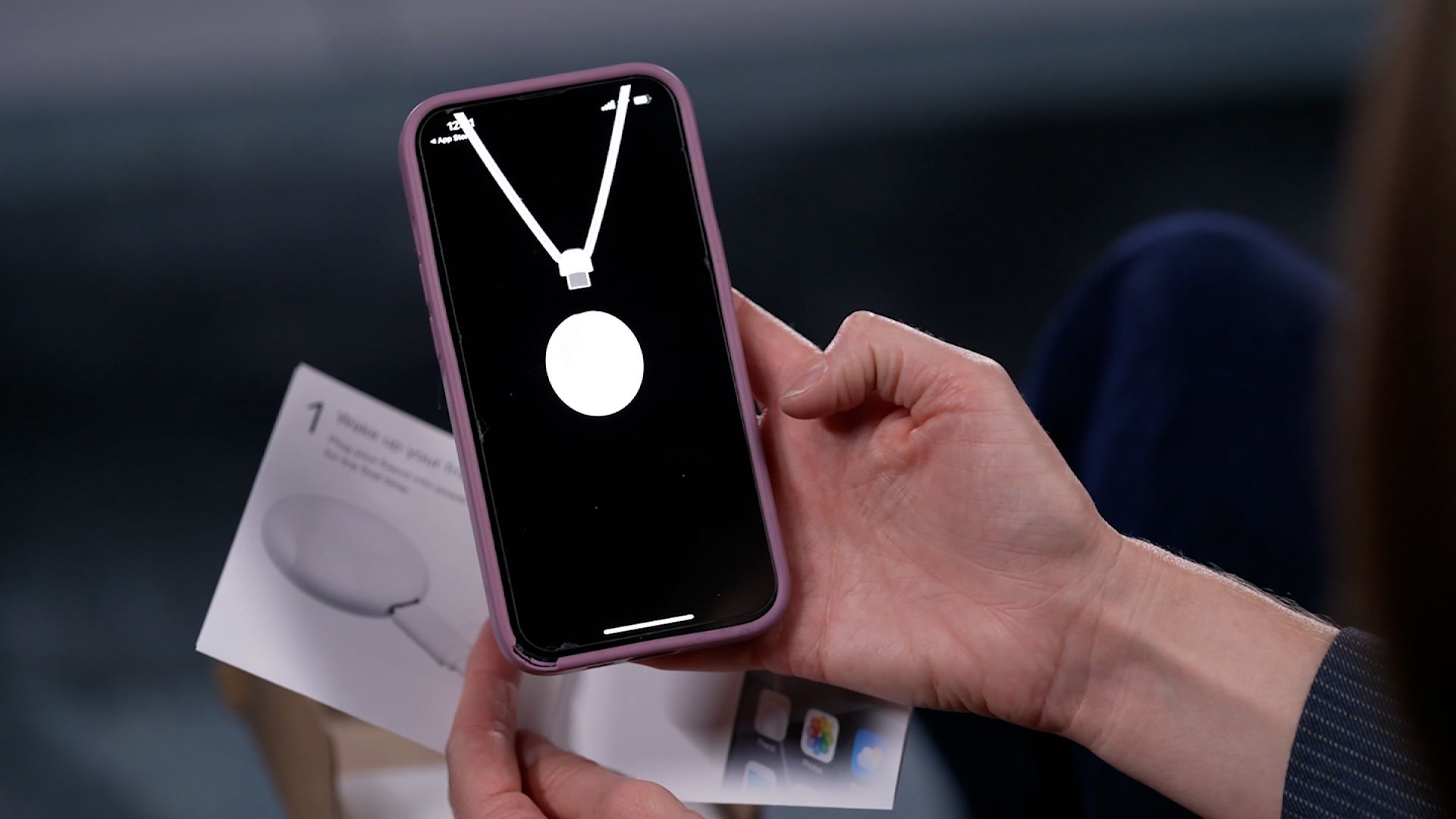
An innovative device designed to combat loneliness has ignited a significant backlash against artificial intelligence. The Friend pendant, created by Avi Schiffmann, aims to serve as a companion for users, particularly targeting the growing loneliness crisis among young men. Launched after a viral video in 2022, the device listens to users’ surroundings and offers advice or casual conversation through a smartphone app.
Schiffmann, 23, was motivated by his desire for meaningful connections and the realization that not everyone shares his luck in fostering friendships. “I think everyone deserves to have a close confidant in their lives that really supports what they’re up to,” he stated. While his intention was to provide comfort, the device has drawn criticism, highlighting broader concerns about AI’s increasing presence in daily life.
Reactions and Controversy
This autumn, Schiffmann’s company invested $1 million in advertising campaigns across New York City’s subway system. However, many ads were defaced, with graffiti expressing public concern. Phrases like “AI is not your friend” and “Talk to a neighbor” were scrawled on the posters, reflecting a growing skepticism about AI technologies and their implications for human relationships. Critics argue that the Friend pendant symbolizes the tech industry’s troubling trend of prioritizing AI over authentic human connections, raising issues of privacy and environmental impact.
The backlash against AI technologies has intensified following various reports and lawsuits that allege companies like Character AI, OpenAI, and Meta have facilitated harmful behaviors in vulnerable users. Although these companies have implemented measures to enhance safety, apprehensions persist regarding the potential emotional consequences of relying on AI companions.
Data from Common Sense Media reveals that nearly 75% of teenagers in the United States have used an AI companion at least once, with more than half engaging with them regularly. Schiffmann remains undeterred by the criticism. He actively shares images of the defaced ads on social media, viewing them as catalysts for dialogue about the role of AI in society. Recently, he even participated in an anti-Friend protest, demonstrating his willingness to engage with dissent.
Understanding the Friend Device
Unlike many AI chatbots, the Friend pendant is not a digital assistant; it functions more like a personal journal, listening and responding to users’ thoughts and experiences. For Schiffmann, the device represents a shift in how individuals can relate to technology. He envisions a future where AI companions exist alongside human friendships, asserting that the convenience they provide will eventually outweigh societal prejudices against them.
Schiffmann’s journey follows a familiar narrative in Silicon Valley: he dropped out of Harvard University to launch Friend, raising $10 million and selling about 5,000 devices priced at $129 each. He hopes to expand distribution to retail outlets by next year. Users have reported forming deep emotional connections with their Friend devices, with some crediting them for rekindling hobbies and passions.
Despite this, experts caution against the dangers of substituting human interaction with AI. Concerns have been raised about the potential for digital companions to inadvertently encourage unhealthy behaviors. Past incidents involving other AI services have prompted serious discussions about the ethical responsibilities of tech companies in creating systems designed to engage users, regardless of the circumstances.
As he reflects on the development of Friend, Schiffmann acknowledges the complexities involved in fostering relationships between humans and AI. He emphasizes the importance of privacy and ethical considerations, stating that recordings from the device are encrypted, and no data is retained if the device is destroyed. He is also aware of the environmental concerns associated with AI, having learned from the backlash to his subway campaign.
Ultimately, Schiffmann believes that AI devices like Friend can enhance human connections by helping users gain confidence and navigate their social landscapes. As he continues to refine and promote his product, he expresses a commitment to addressing the ethical implications of AI technology. “It’s a responsibility, but it’s something I’m going to continue working on for the next decade,” he concluded. “I’m trying my hardest, I suppose.”

JPM Week 2026 Concludes with Insightful Discussions and Connections

Roger Federer Shines at Rod Laver Arena as Djokovic Cheers

EU Proposes €90 Billion Loan to Ukraine with Buy-European Clause

CPSC Revokes Accreditation of Four Chinese Labs Amid Safety Concerns

Director Denies ChatGPT Involvement in Stranger Things Finale

European Regulators Recommend 104 Drugs for 2025 Approval

Jonah Hill Stuns Fans with Bold Blonde Wig for New Role

Scientists Pinpoint Date of Historic Lahar from Mount Rainier

Taiwan Commits $500 Billion to Boost US Semiconductor Industry

University of Hawaiʻi Joins $25.6M AI Initiative to Monitor Disasters

Interstellar Object 3I/ATLAS Emits Unprecedented Metal Alloy

Toledo City League Announces Hall of Fame Inductees for 2024

DOJ Seizes $15 Billion in Bitcoin from Major Crypto Fraud Network

Western Executives Confront Harsh Realities of China’s Manufacturing Edge

Sharp Launches Five New Aquos QLED 4K Ultra HD Smart TVs

Mutual Advisors LLC Increases Stake in SPDR Portfolio ETF

Community Unites for 7th Annual Walk to Raise Mental Health Awareness

Celtics Coach Joe Mazzulla Dominates Local Media in Scrimmage
-
Science2 months ago
University of Hawaiʻi Joins $25.6M AI Initiative to Monitor Disasters
-
 Science3 months ago
Interstellar Object 3I/ATLAS Emits Unprecedented Metal Alloy
-
 Lifestyle3 months ago
Toledo City League Announces Hall of Fame Inductees for 2024
-
 Business3 months ago
DOJ Seizes $15 Billion in Bitcoin from Major Crypto Fraud Network
-
 Science3 months ago
Western Executives Confront Harsh Realities of China’s Manufacturing Edge
-
 Top Stories3 months ago
Sharp Launches Five New Aquos QLED 4K Ultra HD Smart TVs
-
 Politics3 months ago
Mutual Advisors LLC Increases Stake in SPDR Portfolio ETF
-
 Health3 months ago
Community Unites for 7th Annual Walk to Raise Mental Health Awareness
-
 Sports3 months ago
Celtics Coach Joe Mazzulla Dominates Local Media in Scrimmage
-

 Politics3 months ago
Major Networks Reject Pentagon’s New Reporting Guidelines
-

 World3 months ago
INK Entertainment Launches Exclusive Sofia Pop-Up at Virgin Hotels
-

 Top Stories3 months ago
Microsoft Releases Urgent Windows 11 25H2 Update for All Users