
Entertainment
Motion Picture Association Demands Meta Stop Misleading Teen Content Labels

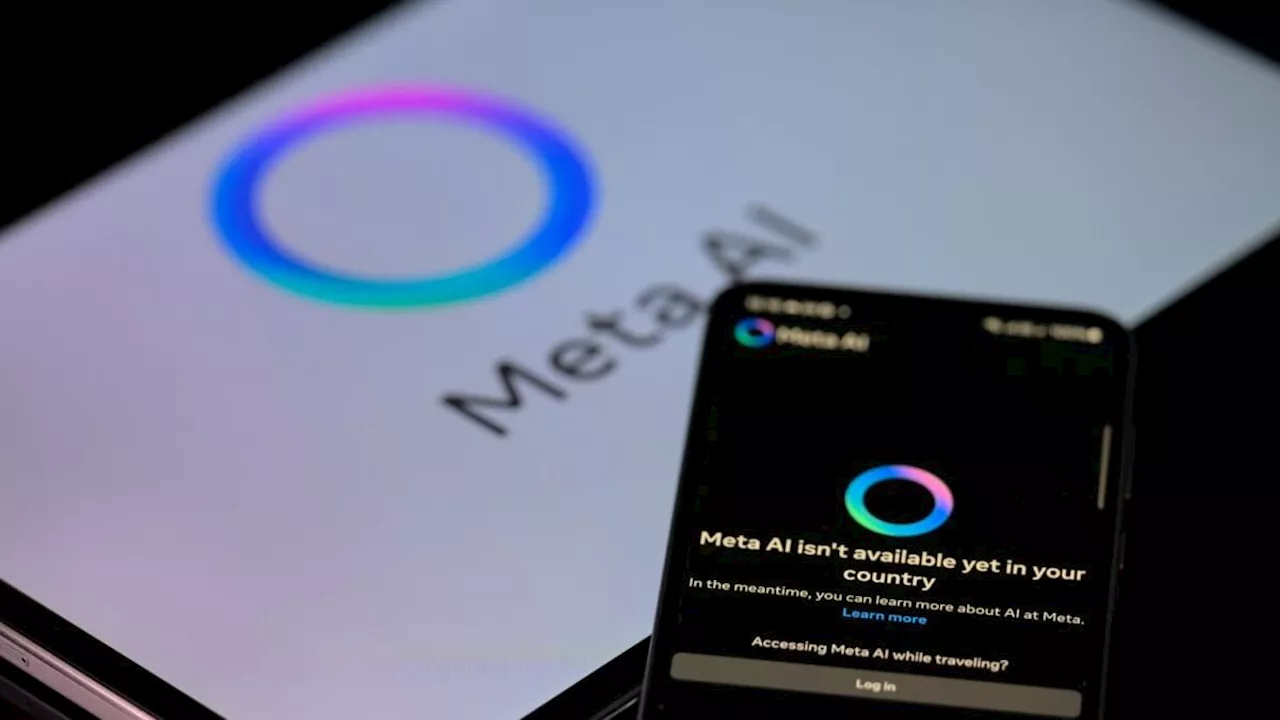
The Motion Picture Association (MPA) has formally requested that Meta Platforms cease its practice of labeling Instagram content for teen accounts as being “guided by PG-13 ratings.” The MPA argues that this designation is misleading and undermines the integrity of its film rating system.
In a cease-and-desist letter sent to Meta, the MPA expressed concern that the company’s claim regarding its Teen Accounts is “false and highly misleading.” The association, which has overseen the film rating system for nearly 60 years, contends that it was not consulted by Meta prior to the announcement made in June 2023. Instagram stated that its teen accounts would be defaulted to viewing PG-13 content to better align with parental expectations.
The MPA’s letter emphasizes that the methodology used by Meta to categorize content for teens does not follow the rigorous evaluation process employed in the MPA’s rating system. According to the MPA, its ratings, which range from G to NC-17, are determined by parents who watch entire films and assess them for appropriate content. In contrast, the MPA argues that Meta’s content restrictions rely heavily on automated technologies and artificial intelligence rather than human oversight.
“Meta’s attempts to restrict teen content literally cannot be ‘guided by’ or ‘aligned with’ the MPA’s PG-13 movie rating,” the letter states. It highlights that the MPA’s ratings are based on comprehensive parental evaluations, while Meta’s approach lacks this depth of scrutiny.
In response to the MPA’s concerns, Meta issued a statement defending its updated teen content policies. The company clarified that it aimed to bring its content standards closer to those of PG-13 movies, which many parents recognize. Meta emphasized that its intent was never to imply a partnership with the MPA or to suggest that Instagram content had been officially rated by the association.
“We know social media isn’t the same as movies, but we made this change to support parents, and we hope to work with the MPA to continue bringing families this clarity,” Meta stated. This response reflects the company’s desire to remain transparent and supportive of parental guidance in the digital landscape.
As the conversation about content regulation for younger audiences develops, the MPA’s call for Meta to reevaluate its labeling practices highlights the ongoing tension between social media platforms and traditional content rating systems. The outcome of this dispute could have significant implications for how online content is categorized and perceived by both parents and teenagers.
This situation underscores the complexities of navigating content standards in an era where digital platforms increasingly influence the way young people consume media. The MPA’s efforts to clarify its position may serve to strengthen trust in its established rating system while prompting Meta to reassess its approach to content moderation for teen users.

Designers Unveil 5 Urgent Tricks to Transform Outdoor Eyesores

Shark Teeth Research Reveals Urgent Need to Protect Species

Church Members Unite in Resilience After Thanksgiving Fire

Community Unites to Attempt World Record for Largest Cookie Exchange

Mayor Lurie Appoints Alan Wong to District 4 Seat Amid Controversy

Mayor Appoints Alan Wong as New Supervisor for District 4

UK Report Reveals AI’s Role in Evaluating University Research Quality

Gabriela Jaquez Shines as No. 3 UCLA Dominates No. 14 Tennessee

Trump Promises to Release MRI Results Despite Uncertainty on Scan

University of Hawaiʻi Joins $25.6M AI Initiative to Monitor Disasters

Toledo City League Announces Hall of Fame Inductees for 2024

DOJ Seizes $15 Billion in Bitcoin from Major Crypto Fraud Network

Sharp Launches Five New Aquos QLED 4K Ultra HD Smart TVs

Celtics Coach Joe Mazzulla Dominates Local Media in Scrimmage

Mutual Advisors LLC Increases Stake in SPDR Portfolio ETF

Community Unites for 7th Annual Walk to Raise Mental Health Awareness

Western Executives Confront Harsh Realities of China’s Manufacturing Edge

INK Entertainment Launches Exclusive Sofia Pop-Up at Virgin Hotels
-
Science4 weeks ago
University of Hawaiʻi Joins $25.6M AI Initiative to Monitor Disasters
-
 Lifestyle2 months ago
Toledo City League Announces Hall of Fame Inductees for 2024
-
 Business2 months ago
DOJ Seizes $15 Billion in Bitcoin from Major Crypto Fraud Network
-
 Top Stories2 months ago
Sharp Launches Five New Aquos QLED 4K Ultra HD Smart TVs
-
 Sports2 months ago
Celtics Coach Joe Mazzulla Dominates Local Media in Scrimmage
-
 Politics2 months ago
Mutual Advisors LLC Increases Stake in SPDR Portfolio ETF
-
 Health2 months ago
Community Unites for 7th Annual Walk to Raise Mental Health Awareness
-
 Science2 months ago
Western Executives Confront Harsh Realities of China’s Manufacturing Edge
-
 World2 months ago
INK Entertainment Launches Exclusive Sofia Pop-Up at Virgin Hotels
-

 Politics2 months ago
Major Networks Reject Pentagon’s New Reporting Guidelines
-

 Science1 month ago
Astronomers Discover Twin Cosmic Rings Dwarfing Galaxies
-

 Top Stories1 month ago
Randi Mahomes Launches Game Day Clothing Line with Chiefs