
Entertainment
Star Wars Rebels Writer Commits to Canon: “My Job is to Protect”

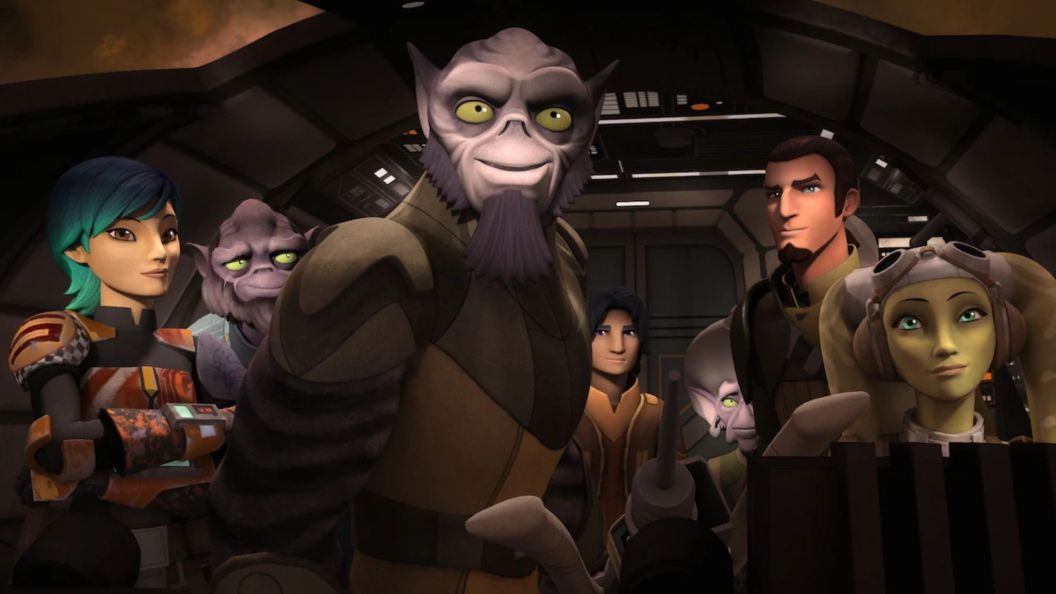
The legacy of the Star Wars franchise faced a significant shift following the acquisition of Lucasfilm by The Walt Disney Company in 2012. This event led to the removal of much of the beloved Expanded Universe material from canon, creating uncertainty among fans about the future direction of the saga. In the wake of this transition, the creators of the 2014 animated series, Star Wars Rebels, were tasked with upholding the franchise’s integrity while introducing new stories and characters.
Henry Gilroy, a prominent writer for Star Wars Rebels and a key figure behind the earlier series Star Wars: The Clone Wars, emphasized the importance of maintaining continuity. In a recent episode of the podcast Pod of Rebellion, Gilroy stated, “My job is not to protect the Disney brand. It’s to protect the Star Wars brand.” This declaration marked a commitment not only to the storytelling but also to the expectations of a fanbase eager for a connection to the established lore.
Building New Stories Among Established Lore
Gilroy and executive producer Dave Filoni faced the daunting challenge of weaving new characters and narratives into the existing Star Wars timeline. Star Wars Rebels aimed to fill the gap between the end of the prequel trilogy and the beginning of the original trilogy, introducing the crew of the Ghost while laying the groundwork for the larger Rebel Alliance. The series was carefully crafted to respect and enhance the lore established in Star Wars: Revenge of the Sith and Star Wars: A New Hope.
The series presented the character of Kanan Jarrus, a survivor of Order 66, not merely as a rogue Jedi but as a reflection of the deep scars left by the fall of the Republic. His journey illustrated the emotional and psychological impact of the Galactic Empire’s rise, honoring the tragic legacy already intertwined with the Star Wars narrative. This approach resonated with audiences, ensuring that new storylines felt relevant and impactful.
Rebels also depicted the fragmented nature of the early Rebellion, showcasing individual cells operating in isolation. This portrayal aligned seamlessly with later comments made by Mon Mothma in Rogue One: A Star Wars Story, highlighting the challenges faced by those striving for freedom. The series did not shy away from the political complexities involved in forming a united front, instead offering a nuanced view of the struggle that defined the Rebel Alliance.
Respecting Legacy Characters
The treatment of legacy characters in Star Wars Rebels further exemplified the writers’ commitment to upholding canon. Rather than relying on nostalgia for quick audience gratification, the series integrated iconic figures such as Darth Maul and Obi-Wan Kenobi in meaningful ways. The confrontation between these two characters offered a poignant conclusion to their long-standing rivalry, first introduced in Star Wars: The Phantom Menace.
One of the boldest decisions made by the team was the inclusion of Grand Admiral Thrawn, originally a character from the Expanded Universe. His reintroduction was not merely a nostalgic cameo but a vital part of the plot, reinforcing his reputation as a cunning adversary within the Empire. This careful integration reaffirmed the integrity of the franchise while allowing new audiences to appreciate his strategic brilliance.
Gilroy’s approach to storytelling prioritized the emotional depth of original characters such as Ezra Bridger, Hera Syndulla, Sabine Wren, and others. Their narratives were not mere vehicle for transition between eras but were fully realized arcs that contributed significantly to the overarching Star Wars mythos. For instance, Ezra’s struggle with the dark side reflected the broader ethical dilemmas central to the series, enriching the narrative and resonating with themes familiar to long-time fans.
The series also skillfully connected various elements of the Star Wars universe, from the Jedi-Sith conflict to the early political rebellion and Mandalorian lore. This cohesive storytelling made the galaxy feel more interconnected and vibrant, setting the stage for future projects such as Star Wars: The Mandalorian and Star Wars: Ahsoka.
The ultimate test of Gilroy’s commitment to canon came during the highly anticipated confrontation between Ahsoka Tano and Darth Vader. This critical scene demanded a careful balance to maintain the emotional weight established in both The Clone Wars and the original trilogy. The writers chose to focus on Ahsoka’s realization of her master’s tragic fate, delivering a moment of profound significance rather than sensationalism.
The success of Star Wars Rebels lies in this deep respect for the source material. By prioritizing narrative integrity over corporate pressures for simple tie-ins, Gilroy and his team demonstrated that loyalty to the Star Wars brand is essential for creating content that resonates with both fans and the franchise’s legacy. The series stands as a testament to the power of thoughtful storytelling in a beloved universe.

Community Unites to Attempt World Record for Largest Cookie Exchange

Mayor Lurie Appoints Alan Wong to District 4 Seat Amid Controversy

Mayor Appoints Alan Wong as New Supervisor for District 4

UK Report Reveals AI’s Role in Evaluating University Research Quality

Gabriela Jaquez Shines as No. 3 UCLA Dominates No. 14 Tennessee

Trump Promises to Release MRI Results Despite Uncertainty on Scan

Japan’s Q3 Capital Expenditure Slows Despite Surge in Profits

South Korea Announces Urgent FX Oversight Measures to Stabilize Won

Tampa’s Annual Tree Lighting Ignites Holiday Spirit Tonight

University of Hawaiʻi Joins $25.6M AI Initiative to Monitor Disasters

Toledo City League Announces Hall of Fame Inductees for 2024

DOJ Seizes $15 Billion in Bitcoin from Major Crypto Fraud Network

Sharp Launches Five New Aquos QLED 4K Ultra HD Smart TVs

Celtics Coach Joe Mazzulla Dominates Local Media in Scrimmage

Community Unites for 7th Annual Walk to Raise Mental Health Awareness

Mutual Advisors LLC Increases Stake in SPDR Portfolio ETF

Western Executives Confront Harsh Realities of China’s Manufacturing Edge

INK Entertainment Launches Exclusive Sofia Pop-Up at Virgin Hotels
-
Science4 weeks ago
University of Hawaiʻi Joins $25.6M AI Initiative to Monitor Disasters
-
 Lifestyle2 months ago
Toledo City League Announces Hall of Fame Inductees for 2024
-
 Business2 months ago
DOJ Seizes $15 Billion in Bitcoin from Major Crypto Fraud Network
-
 Top Stories2 months ago
Sharp Launches Five New Aquos QLED 4K Ultra HD Smart TVs
-
 Sports2 months ago
Celtics Coach Joe Mazzulla Dominates Local Media in Scrimmage
-
 Health2 months ago
Community Unites for 7th Annual Walk to Raise Mental Health Awareness
-
 Politics2 months ago
Mutual Advisors LLC Increases Stake in SPDR Portfolio ETF
-
 Science2 months ago
Western Executives Confront Harsh Realities of China’s Manufacturing Edge
-
 World2 months ago
INK Entertainment Launches Exclusive Sofia Pop-Up at Virgin Hotels
-
 Politics2 months ago
Major Networks Reject Pentagon’s New Reporting Guidelines
-
 Science1 month ago
Astronomers Discover Twin Cosmic Rings Dwarfing Galaxies
-

 Top Stories1 month ago
Randi Mahomes Launches Game Day Clothing Line with Chiefs