
Health
First Documented Death from Alpha-Gal Syndrome Raises Alarm

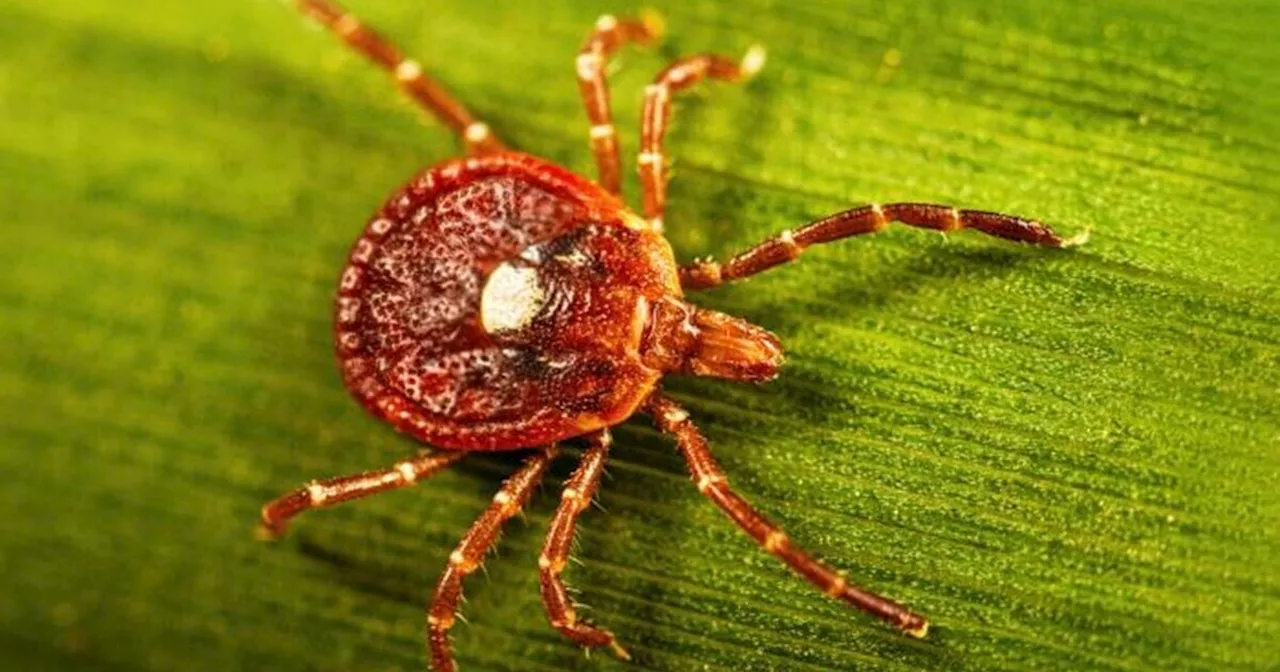
Researchers have documented the first known death attributed to alpha-gal syndrome, a severe allergic reaction to red meat linked to bites from the lone star tick. This case, involving a 47-year-old pilot from New Jersey, underscores the escalating concerns surrounding tick-borne allergies. The pilot died after consuming a hamburger at a barbecue in 2024, highlighting the potentially fatal consequences of this little-known condition.
The findings, published by the University of Virginia School of Medicine, detail the tragic incident that occurred approximately four hours after the pilot ate. His son found him unconscious in a bathroom, surrounded by vomit. Despite immediate medical intervention, he was pronounced dead at the hospital. An autopsy revealed the cause of death as a sudden unexplained event, emphasizing the serious nature of alpha-gal syndrome.
According to the pilot’s wife, he had experienced adverse reactions after eating red meat before, suffering from abdominal discomfort, nausea, and diarrhea. Initially mistaken for food poisoning, these symptoms indicated a pattern that went unrecognized. The pilot had previously experienced similar symptoms after a steak dinner but did not seek medical advice.
A blood sample taken following his death showed evidence of an allergic reaction. Further investigation revealed multiple bites from lone star ticks, which are known to transmit the alpha-gal allergen. These bites, initially thought to be chigger bites, likely led to the development of the allergy. The presence of alpha-gal, a sugar molecule found in mammals, triggered a severe immune response when the pilot consumed red meat.
As the Centers for Disease Control and Prevention (CDC) has reported, the prevalence of alpha-gal syndrome is increasing, with estimates suggesting that up to 450,000 people in the United States may be affected. The rising number of cases is partially attributed to a lack of awareness among both patients and healthcare providers, which complicates timely diagnosis and treatment.
Alpha-gal syndrome, often referred to as a red meat allergy, is characterized by allergic reactions induced by the consumption of red meat following tick bites. The CDC’s findings indicate that the number of undiagnosed cases might be significantly higher than previously acknowledged, emphasizing the necessity for heightened awareness and proactive diagnostic measures.
Experts highlight that the lone star tick, the primary vector of alpha-gal syndrome, is becoming more prevalent in various regions. The combination of climate change and habitat shifts is believed to contribute to the northward migration of these ticks, increasing the risk of infection for larger populations. To combat this growing public health concern, preventative strategies are recommended, such as using insect repellent, wearing protective clothing, and avoiding tick habitats.
In the event of a tick bite, experts advise prompt removal of the tick to minimize health risks. Keeping the tick in a sealed plastic bag allows healthcare professionals to identify the species and test it for diseases. Currently, no vaccine exists for alpha-gal syndrome; dietary modifications, specifically the elimination of red meat, are the primary management strategy.
The pilot’s tragic death serves as a critical reminder of the potential dangers associated with alpha-gal syndrome. It underscores the importance of public education regarding the condition, early detection, and comprehensive training for healthcare providers about its symptoms and management strategies. As the number of cases continues to rise, addressing the causes and consequences of this allergy is increasingly urgent.

Hallmark’s ‘Christmas at the Catnip Café’ Premieres Tonight!

Millville Woman Arrested for Threatening U-Haul Worker with Baton

Japan’s PM Takaichi Confirms Continued Fiscal Management Strategy

Bitcoin Plummets Below $88K Amid Tether Concerns and Warnings

Designers Unveil 5 Urgent Tricks to Transform Outdoor Eyesores

Shark Teeth Research Reveals Urgent Need to Protect Species

Church Members Unite in Resilience After Thanksgiving Fire

Community Unites to Attempt World Record for Largest Cookie Exchange

Mayor Lurie Appoints Alan Wong to District 4 Seat Amid Controversy

University of Hawaiʻi Joins $25.6M AI Initiative to Monitor Disasters

Toledo City League Announces Hall of Fame Inductees for 2024

DOJ Seizes $15 Billion in Bitcoin from Major Crypto Fraud Network

Sharp Launches Five New Aquos QLED 4K Ultra HD Smart TVs

Celtics Coach Joe Mazzulla Dominates Local Media in Scrimmage

Mutual Advisors LLC Increases Stake in SPDR Portfolio ETF

Community Unites for 7th Annual Walk to Raise Mental Health Awareness

Western Executives Confront Harsh Realities of China’s Manufacturing Edge

INK Entertainment Launches Exclusive Sofia Pop-Up at Virgin Hotels
-
Science4 weeks ago
University of Hawaiʻi Joins $25.6M AI Initiative to Monitor Disasters
-
 Lifestyle2 months ago
Toledo City League Announces Hall of Fame Inductees for 2024
-
 Business2 months ago
DOJ Seizes $15 Billion in Bitcoin from Major Crypto Fraud Network
-
 Top Stories2 months ago
Sharp Launches Five New Aquos QLED 4K Ultra HD Smart TVs
-
 Sports2 months ago
Celtics Coach Joe Mazzulla Dominates Local Media in Scrimmage
-
 Politics2 months ago
Mutual Advisors LLC Increases Stake in SPDR Portfolio ETF
-
 Health2 months ago
Community Unites for 7th Annual Walk to Raise Mental Health Awareness
-
 Science2 months ago
Western Executives Confront Harsh Realities of China’s Manufacturing Edge
-
 World2 months ago
INK Entertainment Launches Exclusive Sofia Pop-Up at Virgin Hotels
-

 Politics2 months ago
Major Networks Reject Pentagon’s New Reporting Guidelines
-

 Science1 month ago
Astronomers Discover Twin Cosmic Rings Dwarfing Galaxies
-

 Top Stories1 month ago
Randi Mahomes Launches Game Day Clothing Line with Chiefs