
Health
Measles Cases Surge in the US: What to Do If Exposed

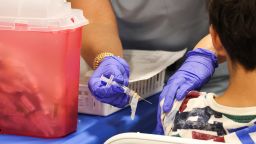
The United States is experiencing a significant uptick in measles cases, with at least 171 reported cases in the first two weeks of January 2026, according to the US Centers for Disease Control and Prevention (CDC). This alarming trend follows a record number of infections in 2025, highlighting the ongoing threat posed by this highly contagious virus.
Most new cases are concentrated in areas with active outbreaks, particularly in the upstate region of South Carolina and along the Utah-Arizona state line. The widespread nature of these outbreaks raises concerns about potential exposures even in regions not currently reporting high numbers, as explained by Dr. Linda Bell, South Carolina’s state epidemiologist. The difficulty in tracking every exposure increases as cases rise exponentially, and individuals may unknowingly spread the virus within communities.
Public health officials have identified numerous exposure locations in South Carolina, including schools, churches, restaurants, and healthcare facilities. However, the health department may not release details about all exposure sites unless specific information about the date and time can be provided. The potential for exposure extends beyond state borders, evident in incidents involving a family from North Carolina that visited Spartanburg County and possible exposures linked to a hotel in Albuquerque, New Mexico.
With several major airports reporting measles cases or potential exposures during the recent holiday travel season, experts stress the urgent need for vaccination. According to Dr. Jesse Hackell, a retired pediatrician and member of the American Academy of Pediatrics, vaccination drastically reduces the likelihood of severe illness following exposure.
Steps to Take If Exposed to Measles
1. **Check Your Vaccination Status**
Measles is known for its high contagion rate, but the measles-mumps-rubella (MMR) vaccine is highly effective. One dose is approximately 93% effective against measles, while two doses increase protection to 97%. Vaccination schedules typically recommend the first dose between 12 to 15 months and the second between ages 4 to 6. In outbreak situations, the first dose may be administered as early as 6 months of age.
Those who are vaccinated generally have little to worry about. As noted by Dr. Raynard Washington, director of the public health department in Mecklenburg County, vaccinated individuals are likely to be advised to monitor for symptoms rather than seek additional medical intervention.
2. **Contact Your Healthcare Provider**
If you suspect exposure to measles, it is essential to contact a healthcare provider before visiting in person. This precaution is crucial to prevent further exposure within medical settings. As stated by Dr. Bell, notifying healthcare providers ahead of time allows for safer management of suspected cases. Wearing a mask while seeking care is also recommended to protect others.
Dr. Stuart Simko, a pediatrician in upstate South Carolina, emphasizes the importance of adapting healthcare protocols to minimize the spread. By employing measures such as telehealth consultations and strict screening, healthcare providers aim to prevent further infections.
3. **Monitor for Symptoms**
Early symptoms of measles can resemble those of other respiratory illnesses, often beginning with fever, cough, and runny nose. The characteristic rash typically appears a few days later, starting in the mouth and spreading down the body. Another early sign to watch for is conjunctivitis, or pink eye.
There is no specific treatment for measles, making vigilant monitoring critical. Dr. Simko recommends regular follow-ups with healthcare providers to ensure that patients remain hydrated and show signs of improvement.
Staying Informed and Preventing Further Spread
Awareness of local vaccination rates is vital. An outbreak in a school with a high vaccination rate is less likely to spread than in one with lower coverage. Parents should stay informed about vaccination statistics in local schools, as this knowledge can influence personal health decisions and communication with healthcare providers.
Public health departments are actively monitoring the situation, providing updates about the outbreak twice a week. For instance, Mecklenburg County’s health department recently reported detecting measles in wastewater, indicating a potential infection in the area despite no confirmed cases. This finding prompted immediate notification for available MMR vaccinations.
For unvaccinated individuals exposed to measles, a quarantine period of 21 days is advised to prevent further transmission. In South Carolina, over 400 individuals are currently in quarantine due to known exposures. This public health measure is crucial in controlling the outbreak. Those who have received both recommended MMR doses do not need to quarantine, offering peace of mind amid rising case numbers.
Vaccination remains the most effective strategy for parents to safeguard their children, even in the event of potential exposure. With the increasing number of cases, public health officials urge communities to stay informed and proactive to help curb the spread of measles.

Wyomissing Police Report Busy November with Hundreds of Calls

Versant Capital Management Boosts Citigroup Stake by 58.2%

David Harbour Discusses Intense Psychotherapy Journey for Mental Health

US Health Officials Restore $1.9 Billion for Mental Health Programs

Friends Association Opens New Shelter to Aid Families in Need

Greenland and Denmark Conclude Talks with US on Territory Dispute

Chelsea Handler Slams Timothee Chalamet’s Praise for Kylie Jenner

Over 387,000 Users Download Vulnerable Apache Struts Versions

Hawks Seek Redemption Against Trail Blazers After Lakers Loss

University of Hawaiʻi Joins $25.6M AI Initiative to Monitor Disasters

Interstellar Object 3I/ATLAS Emits Unprecedented Metal Alloy

Toledo City League Announces Hall of Fame Inductees for 2024

DOJ Seizes $15 Billion in Bitcoin from Major Crypto Fraud Network

Western Executives Confront Harsh Realities of China’s Manufacturing Edge

Sharp Launches Five New Aquos QLED 4K Ultra HD Smart TVs

Mutual Advisors LLC Increases Stake in SPDR Portfolio ETF

Celtics Coach Joe Mazzulla Dominates Local Media in Scrimmage

Community Unites for 7th Annual Walk to Raise Mental Health Awareness
-
Science2 months ago
University of Hawaiʻi Joins $25.6M AI Initiative to Monitor Disasters
-
 Science3 months ago
Interstellar Object 3I/ATLAS Emits Unprecedented Metal Alloy
-
 Lifestyle3 months ago
Toledo City League Announces Hall of Fame Inductees for 2024
-
 Business3 months ago
DOJ Seizes $15 Billion in Bitcoin from Major Crypto Fraud Network
-
 Science3 months ago
Western Executives Confront Harsh Realities of China’s Manufacturing Edge
-
 Top Stories3 months ago
Sharp Launches Five New Aquos QLED 4K Ultra HD Smart TVs
-
 Politics3 months ago
Mutual Advisors LLC Increases Stake in SPDR Portfolio ETF
-
 Sports3 months ago
Celtics Coach Joe Mazzulla Dominates Local Media in Scrimmage
-
 Health3 months ago
Community Unites for 7th Annual Walk to Raise Mental Health Awareness
-

 Politics3 months ago
Major Networks Reject Pentagon’s New Reporting Guidelines
-

 World3 months ago
INK Entertainment Launches Exclusive Sofia Pop-Up at Virgin Hotels
-

 Top Stories3 months ago
Microsoft Releases Urgent Windows 11 25H2 Update for All Users