
Health
Researchers Transform Teflon Waste into Fluoride for Toothpaste

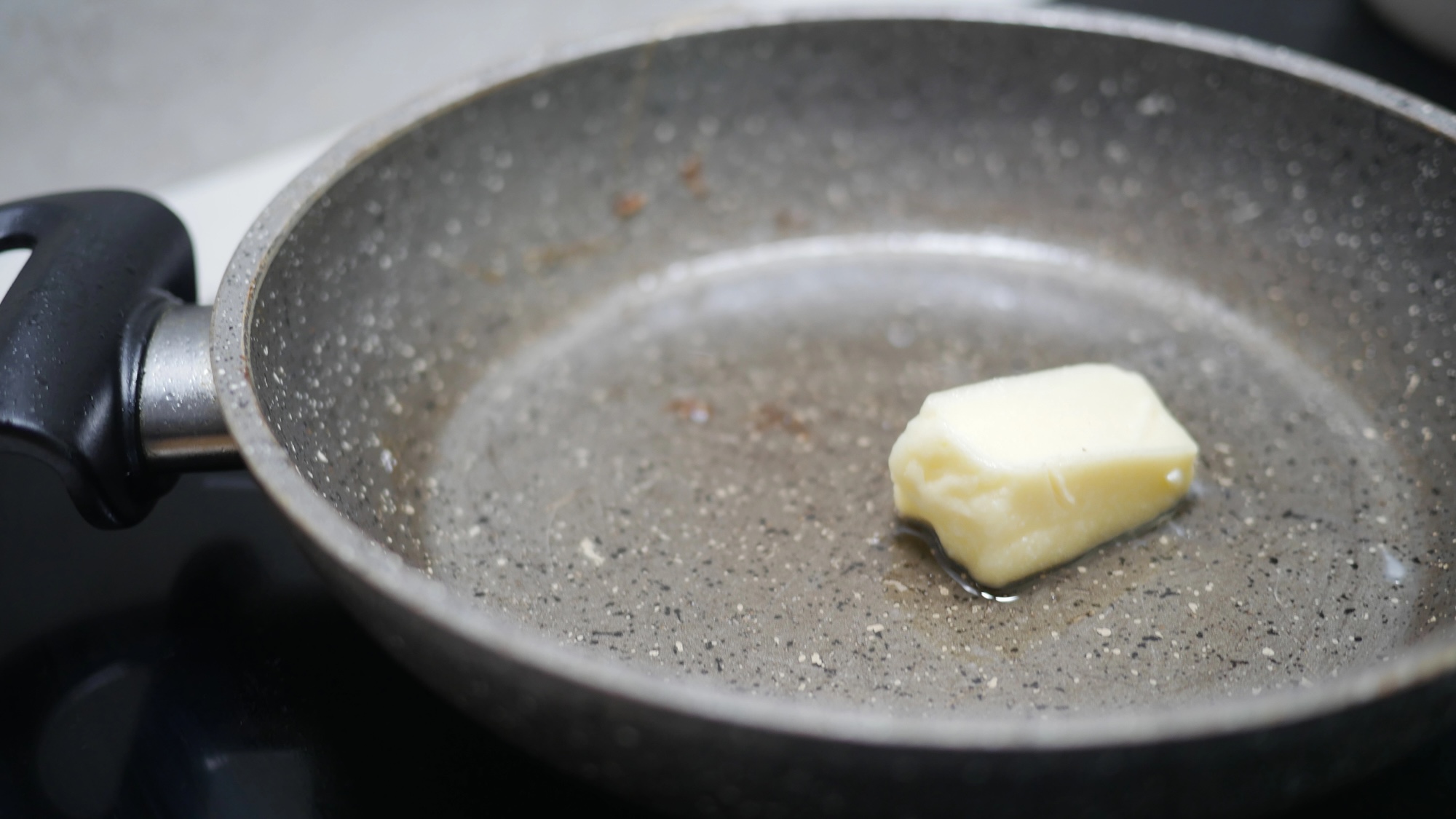
A new breakthrough in recycling has emerged from researchers in the United Kingdom, who have developed a method to convert Teflon waste into sodium fluoride, a compound commonly used in toothpaste and drinking water additives. Their findings, published on October 22, 2023, in the Journal of the American Chemical Society, offer a simple and cost-effective solution to a significant environmental challenge.
Teflon, known scientifically as Polytetrafluoroethylene (PTFE), has been utilized since its introduction by DuPont in 1938. While it is celebrated for its exceptional nonstick properties, Teflon is also notorious for its environmental impact, particularly due to its association with harmful per- and polyfluoroalkyl substances (PFAs). These chemicals contribute to serious public health concerns and create long-lasting pollution. Conventional methods to dispose of Teflon often result in toxic by-products being released into the environment.
Researchers from the University of Birmingham and Newcastle University have proposed a more efficient approach through a process known as mechanochemistry. This technique utilizes mechanical energy rather than high-temperature methods to initiate chemical reactions. “Our approach is simple, fast, and uses inexpensive materials,” stated study co-author Erli Lu.
The process begins with the combination of sodium metal and Teflon waste in a sealed steel container known as a ball mill. The mechanical action of the ball mill effectively breaks the robust carbon-fluorine bonds that characterize Teflon. This reaction occurs at room temperature, leading to the formation of harmless carbon and sodium fluoride, a stable inorganic salt.
Study co-author Dominik Kubicki explained the significance of their findings, stating, “We used advanced solid-state Nuclear Magnetic Resonance spectroscopy to look inside the reaction mixture at the atomic level. This allowed us to prove that the process produces clean sodium fluoride without any by-products.” The purity of the sodium fluoride produced is such that it can be used immediately in applications like toothpaste and water fluoridation without the need for further purification.
This innovative method not only addresses the disposal issue surrounding Teflon but also opens avenues for additional applications. The resulting sodium fluoride can also be utilized to synthesize other fluorine-containing compounds, which are essential in pharmaceuticals and medical diagnostics.
The research team envisions that their technique could pave the way for a circular economy surrounding fluorine, where valuable compounds are extracted from waste materials instead of being discarded or incinerated. “We hope it will inspire further work on reusing other kinds of fluorinated waste and help make the production of vital fluorine-containing compounds more sustainable,” Lu added.
As the environmental impact of synthetic materials continues to be a pressing global issue, this research represents a significant step forward in sustainability efforts. The implications of turning Teflon waste into useful products may lead to broader applications and inspire further innovations in recycling technologies.

Fire Erupts at Indigo Apartments in OKC, Residents Fearful

Arlene Hartman, Beloved Community Member, Passes at 87

Urgent: Vehicle Fire Closes Two Lanes on I-215 in Salt Lake City

Knicks Dominate Raptors 116-94 at Home, Extend Winning Streak

Hallmark’s ‘Christmas at the Catnip Café’ Premieres Tonight!

Millville Woman Arrested for Threatening U-Haul Worker with Baton

Japan’s PM Takaichi Confirms Continued Fiscal Management Strategy

Bitcoin Plummets Below $88K Amid Tether Concerns and Warnings

Designers Unveil 5 Urgent Tricks to Transform Outdoor Eyesores

University of Hawaiʻi Joins $25.6M AI Initiative to Monitor Disasters

Toledo City League Announces Hall of Fame Inductees for 2024

DOJ Seizes $15 Billion in Bitcoin from Major Crypto Fraud Network

Sharp Launches Five New Aquos QLED 4K Ultra HD Smart TVs

Celtics Coach Joe Mazzulla Dominates Local Media in Scrimmage

Mutual Advisors LLC Increases Stake in SPDR Portfolio ETF

Community Unites for 7th Annual Walk to Raise Mental Health Awareness

Western Executives Confront Harsh Realities of China’s Manufacturing Edge

INK Entertainment Launches Exclusive Sofia Pop-Up at Virgin Hotels
-
Science4 weeks ago
University of Hawaiʻi Joins $25.6M AI Initiative to Monitor Disasters
-
 Lifestyle2 months ago
Toledo City League Announces Hall of Fame Inductees for 2024
-
 Business2 months ago
DOJ Seizes $15 Billion in Bitcoin from Major Crypto Fraud Network
-
 Top Stories2 months ago
Sharp Launches Five New Aquos QLED 4K Ultra HD Smart TVs
-
 Sports2 months ago
Celtics Coach Joe Mazzulla Dominates Local Media in Scrimmage
-
 Politics2 months ago
Mutual Advisors LLC Increases Stake in SPDR Portfolio ETF
-
 Health2 months ago
Community Unites for 7th Annual Walk to Raise Mental Health Awareness
-
 Science2 months ago
Western Executives Confront Harsh Realities of China’s Manufacturing Edge
-
 World2 months ago
INK Entertainment Launches Exclusive Sofia Pop-Up at Virgin Hotels
-

 Politics2 months ago
Major Networks Reject Pentagon’s New Reporting Guidelines
-

 Science1 month ago
Astronomers Discover Twin Cosmic Rings Dwarfing Galaxies
-

 Top Stories1 month ago
Randi Mahomes Launches Game Day Clothing Line with Chiefs