
Health
Up to 50,000 Nurses May Leave UK Over Immigration Changes

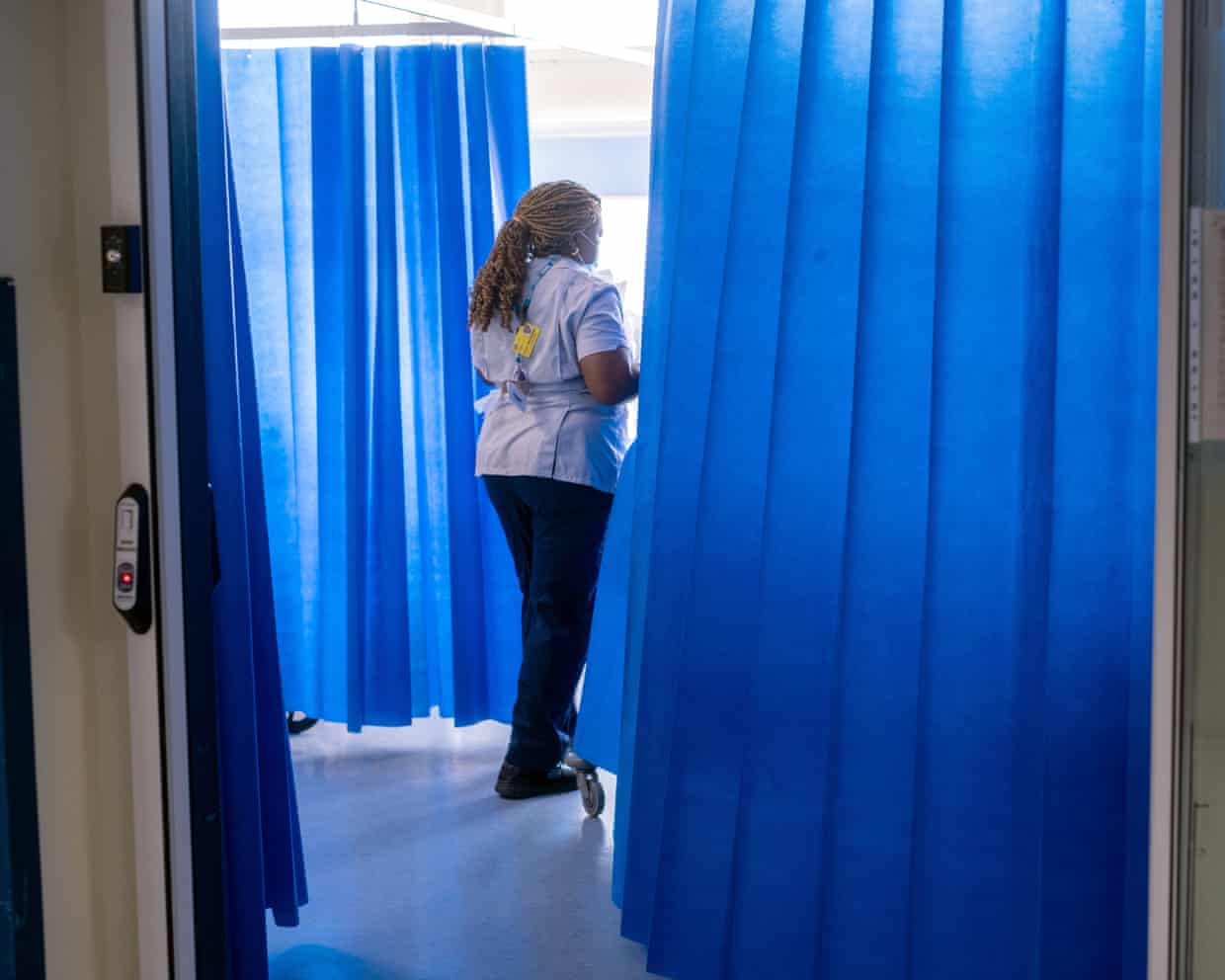
A recent survey indicates that as many as 50,000 nurses might consider leaving the United Kingdom due to the government’s proposed immigration changes. These reforms could lead to the NHS facing its most severe workforce crisis to date. The plans, which include extending the period for migrants to apply for settled status from five to ten years, have sparked significant concern among healthcare professionals.
Under the guidance of Labour leader Keir Starmer, the government aims to reduce net migration, which includes increasing the skill requirements for foreign workers and raising English language standards for all visa categories. This strategy is perceived as an effort to counter the growing influence of Nigel Farage and his Reform UK party. Sources have indicated that a public consultation regarding these plans will be forthcoming.
Nursing leaders have criticized the proposals as “immoral” and argued that they treat highly skilled migrants as “political footballs.” They warn that a mass departure of nurses would jeopardize patient safety and undermine the government’s objectives to decrease treatment waiting times.
The Royal College of Nursing (RCN) conducted a survey revealing that over 200,000 internationally educated nurses serve in the UK, comprising roughly 25% of the total nursing workforce, which numbers around 794,000. The proposed immigration changes have caused profound distress among NHS and social care staff, with many now contemplating permanent departure from the UK.
Government data shows that 76,876 nurses have been granted visas since 2021, and many would have qualified for settled status after five years. The potential extension of that timeframe to ten years has created uncertainty about their futures. The RCN’s survey, which included over 5,000 migrant nursing staff, found that approximately 60% of those without indefinite leave to remain (ILR) believe the changes are likely to affect their decision to remain in the UK. This finding suggests that more than 46,000 nurses could permanently exit the country.
Prof Nicola Ranger, General Secretary and Chief Executive of the RCN, stated, “These proposals are not just immoral; they would be dangerous for our patients. No minister who has any interest in the success of our health and social care system would press ahead with extending the qualifying period for ILR.” She urged the government to reconsider the plans, warning that they could exacerbate the existing workforce crisis and threaten patient safety.
Ranger highlighted the contributions of many migrant nurses who arrived in the UK during the Covid-19 pandemic. She described the proposals as a “betrayal,” asserting that these individuals deserve clarity regarding their futures rather than being used as political pawns.
Without ILR, migrant nurses face restrictions that hinder their ability to transition between jobs, leading to potential exploitation within the social care sector. Ranger noted that these proposals would also deprive them of access to state support services, such as child benefits and disability payments, for a decade, despite their contribution to the tax system.
The survey indicated that 53% of respondents expressed extreme concern about their financial security, while 52% were worried about the impact on their families, and 49% feared for their career prospects. Only 11% of the surveyed nurses stated they would have still considered migrating to the UK had the settlement pathway required a ten-year wait.
The RCN has also called on the government to reduce the application fee for ILR, currently set at £3,029 per person, despite the processing cost being estimated at £523. In contrast, the fee was only £155 in 2003.
A government spokesperson acknowledged the vital role of overseas healthcare workers, stating, “We are grateful to our overseas frontline healthcare workers, who bring compassion, deliver high-quality care, and strengthen our health service, but net migration must come down.” They also indicated that under the new settlement model, individuals could potentially shorten the qualifying period based on their contributions to the UK economy and society. A consultation is set to launch soon, with health and care workers encouraged to participate.
As the situation unfolds, the implications of these immigration reforms will likely resonate throughout the healthcare sector, shaping the future of nursing in the UK.

Designers Unveil 5 Urgent Tricks to Transform Outdoor Eyesores

Shark Teeth Research Reveals Urgent Need to Protect Species

Church Members Unite in Resilience After Thanksgiving Fire

Community Unites to Attempt World Record for Largest Cookie Exchange

Mayor Lurie Appoints Alan Wong to District 4 Seat Amid Controversy

Mayor Appoints Alan Wong as New Supervisor for District 4

UK Report Reveals AI’s Role in Evaluating University Research Quality

Gabriela Jaquez Shines as No. 3 UCLA Dominates No. 14 Tennessee

Trump Promises to Release MRI Results Despite Uncertainty on Scan

University of Hawaiʻi Joins $25.6M AI Initiative to Monitor Disasters

Toledo City League Announces Hall of Fame Inductees for 2024

DOJ Seizes $15 Billion in Bitcoin from Major Crypto Fraud Network

Sharp Launches Five New Aquos QLED 4K Ultra HD Smart TVs

Celtics Coach Joe Mazzulla Dominates Local Media in Scrimmage

Mutual Advisors LLC Increases Stake in SPDR Portfolio ETF

Community Unites for 7th Annual Walk to Raise Mental Health Awareness

Western Executives Confront Harsh Realities of China’s Manufacturing Edge

INK Entertainment Launches Exclusive Sofia Pop-Up at Virgin Hotels
-
Science4 weeks ago
University of Hawaiʻi Joins $25.6M AI Initiative to Monitor Disasters
-
 Lifestyle2 months ago
Toledo City League Announces Hall of Fame Inductees for 2024
-
 Business2 months ago
DOJ Seizes $15 Billion in Bitcoin from Major Crypto Fraud Network
-
 Top Stories2 months ago
Sharp Launches Five New Aquos QLED 4K Ultra HD Smart TVs
-
 Sports2 months ago
Celtics Coach Joe Mazzulla Dominates Local Media in Scrimmage
-
 Politics2 months ago
Mutual Advisors LLC Increases Stake in SPDR Portfolio ETF
-
 Health2 months ago
Community Unites for 7th Annual Walk to Raise Mental Health Awareness
-
 Science2 months ago
Western Executives Confront Harsh Realities of China’s Manufacturing Edge
-
 World2 months ago
INK Entertainment Launches Exclusive Sofia Pop-Up at Virgin Hotels
-

 Politics2 months ago
Major Networks Reject Pentagon’s New Reporting Guidelines
-

 Science1 month ago
Astronomers Discover Twin Cosmic Rings Dwarfing Galaxies
-

 Top Stories1 month ago
Randi Mahomes Launches Game Day Clothing Line with Chiefs