
Health
US Health Officials Restore $1.9 Billion for Mental Health Programs

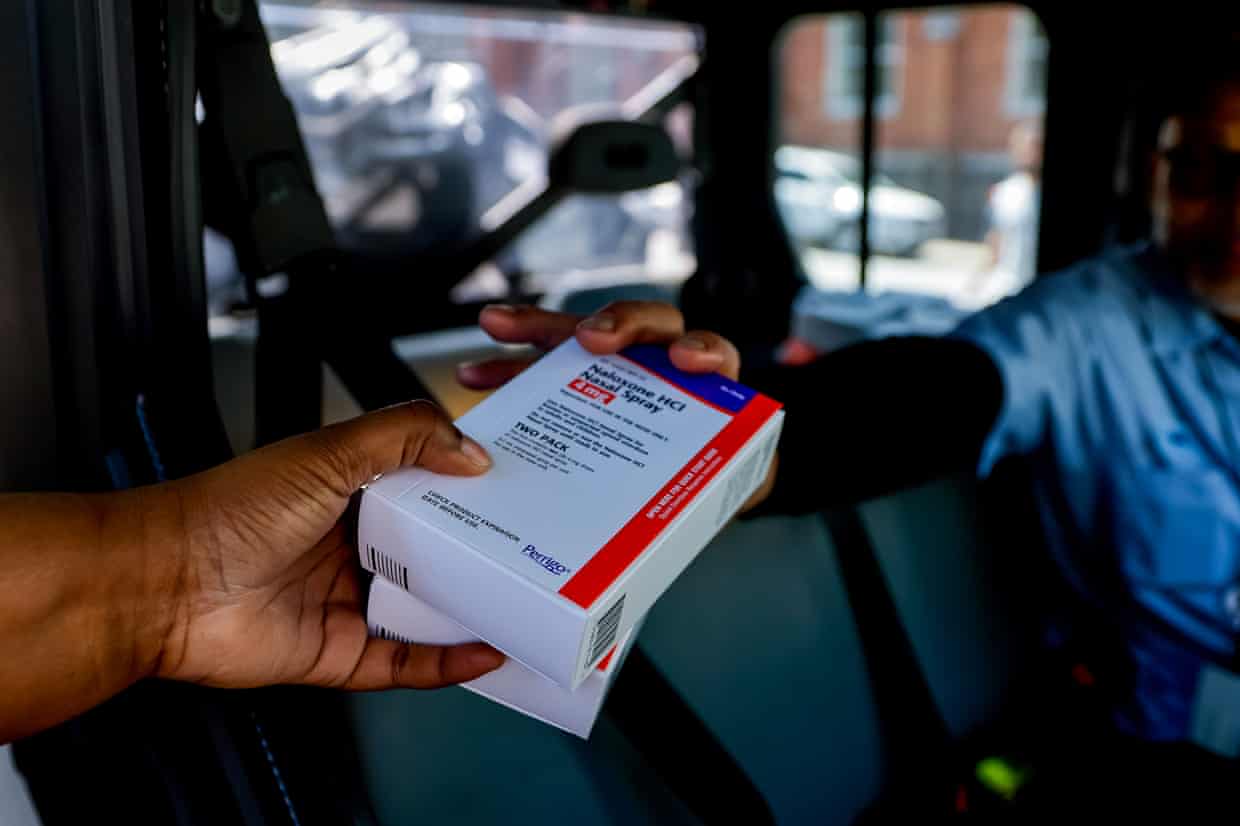
US health officials reinstated nearly $2 billion in funding for mental health and substance use programs, reversing an earlier decision to cut these vital services. This announcement came late on the night of March 6, 2024, just one day after the abrupt shutdown of multiple programs that serve millions of Americans. The cuts, which represented about one-quarter of the budget for the Substance Abuse and Mental Health Services Administration (SAMHSA), were met with immediate backlash from lawmakers and advocacy groups alike.
The decision to restore funding is particularly significant given ongoing debates surrounding health policy under the leadership of Robert F. Kennedy Jr., the Secretary of the US Department of Health and Human Services. Kennedy has initiated aggressive budget cuts to health agencies since the beginning of the Trump administration, including a controversial proposal to merge SAMHSA into a new entity dubbed the Administration for a Healthy America (AHA).
The initial move to cut funding raised substantial concerns regarding the potential impact on essential services, including overdose prevention, mental health support for children, and recovery programs for pregnant and postpartum women. Reports indicated that some programs received reinstatement letters shortly after the announcement, while others awaited confirmation.
Representative Rosa DeLauro, the ranking member of the House Appropriations Committee, voiced her support for the reinstatement, stating, “After national outrage, Secretary Kennedy has bowed to public pressure and reinstated $2 billion in SAMHSA grants that save lives.” She criticized the initial cuts as unnecessary, causing confusion for families and healthcare providers.
In a statement to the New York Times, an administration official confirmed that funding was being restored but did not clarify the reasons behind the decision. The extent to which all grants have been re-established remains uncertain.
Senator Patty Murray also weighed in, highlighting the chaos caused by the cuts. She remarked on social media, “Today, first responders tackling the fentanyl crisis spent the day planning layoffs instead of helping people.” Murray characterized the situation as “absurd, pointless chaos” resulting from the administration’s actions.
While the reinstatement of funds is a relief for many organizations providing mental health and substance use services, experts warn that further budget cuts could still be on the horizon. Dr. Sunny Patel, a former senior official at SAMHSA, emphasized that this restoration should not overshadow the broader implications of the administration’s fiscal policies. “This administration has shown its political project to systematically dismantle the behavioral health system,” he stated.
Dr. Patel and Matthew Biel discussed the potential negative consequences of budget cuts in an article published in Health Affairs. They argued that ongoing instability within health agencies would exacerbate issues related to children’s behavioral health.
The quick turnaround in funding illustrates the power of advocacy in influencing health policy. As Patel noted, “Shoring up health amid repeated uncertainty and cuts requires vigilance and sometimes outrage.” The reinstatement serves as a reminder that public pressure can lead to significant changes in policy direction, especially when it comes to the welfare of vulnerable populations.
As lawmakers continue to negotiate the federal budget, the future of mental health and substance use programs will remain a critical area of focus, underscoring the need for sustained advocacy and support.

Taylor Swift & Travis Kelce Delay Wedding Plans, Focus on Love

Wyomissing Police Report Busy November with Hundreds of Calls

Versant Capital Management Boosts Citigroup Stake by 58.2%

David Harbour Discusses Intense Psychotherapy Journey for Mental Health

US Health Officials Restore $1.9 Billion for Mental Health Programs

Friends Association Opens New Shelter to Aid Families in Need

Greenland and Denmark Conclude Talks with US on Territory Dispute

Chelsea Handler Slams Timothee Chalamet’s Praise for Kylie Jenner

Over 387,000 Users Download Vulnerable Apache Struts Versions

University of Hawaiʻi Joins $25.6M AI Initiative to Monitor Disasters

Interstellar Object 3I/ATLAS Emits Unprecedented Metal Alloy

Toledo City League Announces Hall of Fame Inductees for 2024

DOJ Seizes $15 Billion in Bitcoin from Major Crypto Fraud Network

Western Executives Confront Harsh Realities of China’s Manufacturing Edge

Sharp Launches Five New Aquos QLED 4K Ultra HD Smart TVs

Mutual Advisors LLC Increases Stake in SPDR Portfolio ETF

Community Unites for 7th Annual Walk to Raise Mental Health Awareness

Celtics Coach Joe Mazzulla Dominates Local Media in Scrimmage
-
Science2 months ago
University of Hawaiʻi Joins $25.6M AI Initiative to Monitor Disasters
-
 Science3 months ago
Interstellar Object 3I/ATLAS Emits Unprecedented Metal Alloy
-
 Lifestyle3 months ago
Toledo City League Announces Hall of Fame Inductees for 2024
-
 Business3 months ago
DOJ Seizes $15 Billion in Bitcoin from Major Crypto Fraud Network
-
 Science3 months ago
Western Executives Confront Harsh Realities of China’s Manufacturing Edge
-
 Top Stories3 months ago
Sharp Launches Five New Aquos QLED 4K Ultra HD Smart TVs
-
 Politics3 months ago
Mutual Advisors LLC Increases Stake in SPDR Portfolio ETF
-
 Health3 months ago
Community Unites for 7th Annual Walk to Raise Mental Health Awareness
-
 Sports3 months ago
Celtics Coach Joe Mazzulla Dominates Local Media in Scrimmage
-

 Politics3 months ago
Major Networks Reject Pentagon’s New Reporting Guidelines
-

 World3 months ago
INK Entertainment Launches Exclusive Sofia Pop-Up at Virgin Hotels
-

 Top Stories3 months ago
Microsoft Releases Urgent Windows 11 25H2 Update for All Users