
Lifestyle
Common Cleaning Product Damages Kitchen Countertops, Experts Warn

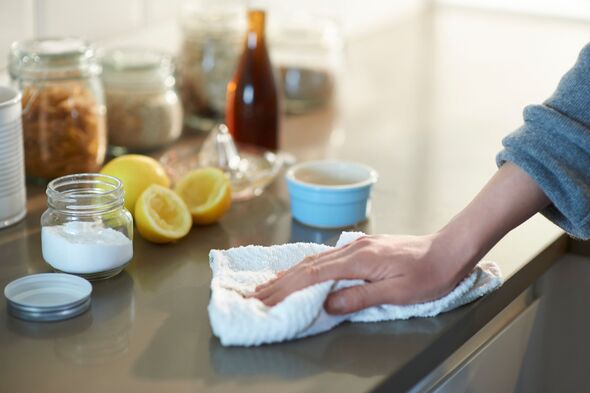
Kitchen cleaning products are essential in maintaining a tidy home, but some may inadvertently cause significant damage. Caitlin King, CEO of Wrap Your Kitchen, has highlighted that vinegar and other acidic sprays can strip protective sealants from kitchen countertops, ultimately harming these surfaces rather than simply cleaning them.
While vinegar is widely recognized for its antibacterial properties, its high acidity can be detrimental to various countertop materials. King explains, “Vinegar is incredibly popular because it ticks so many boxes. It’s cheap, it’s natural, and it does kill bacteria. But what people don’t realize is that it’s far too harsh for most kitchen surfaces. The very properties that make it effective at cleaning can also make it destructive.”
Natural stone countertops, including those made of granite and marble, are particularly susceptible to this form of damage. King notes that the effects of vinegar are not immediately visible. “You might not notice it after one or two uses. But over weeks and months, you’ll start to see the surface looking duller. The shine disappears. Colors can fade. And once that sealant is compromised, your countertops become vulnerable to everything: water damage, staining, even bacteria,” she warns. The acid in vinegar reacts with the calcium carbonate found in these stones, leading to etching and permanent dull spots.
Consumers may initially save money by using vinegar-based solutions, but the long-term costs can be far greater. King recounts her experiences with clients puzzled by the rapid decline in their kitchens’ appearances. “When we dug deeper, it often came down to their cleaning routine. Switching products made all the difference,” she says.
Safer Alternatives for Kitchen Cleaning
For those looking to clean kitchen countertops effectively, King recommends sticking to simple solutions. “Warm water and a mild dish soap are genuinely all you need for daily cleaning,” she advises. This approach is effective on virtually every surface type without the risks associated with acidic cleaners.
In instances where tougher jobs arise, pH-neutral cleaners specifically designed for kitchen surfaces can be beneficial. King also emphasizes the importance of acting quickly when spills occur, particularly with acidic substances like wine, coffee, or fruit juice. “Don’t let them sit on the surface,” she cautions.
Additionally, using a soft cloth instead of abrasive materials can significantly impact the longevity of kitchen countertops. “These small habits make a massive difference to how long your countertops stay looking good,” King concludes.
As many homeowners seek to maintain the appearance and integrity of their kitchen surfaces, being informed about the potential risks of common cleaning products is crucial. By making mindful choices about cleaning solutions, individuals can protect their investments while ensuring a hygienic environment.

Arlene Hartman, Beloved Community Member, Passes at 87

Urgent: Vehicle Fire Closes Two Lanes on I-215 in Salt Lake City

Knicks Dominate Raptors 116-94 at Home, Extend Winning Streak

Hallmark’s ‘Christmas at the Catnip Café’ Premieres Tonight!

Millville Woman Arrested for Threatening U-Haul Worker with Baton

Japan’s PM Takaichi Confirms Continued Fiscal Management Strategy

Bitcoin Plummets Below $88K Amid Tether Concerns and Warnings

Designers Unveil 5 Urgent Tricks to Transform Outdoor Eyesores

Shark Teeth Research Reveals Urgent Need to Protect Species

University of Hawaiʻi Joins $25.6M AI Initiative to Monitor Disasters

Toledo City League Announces Hall of Fame Inductees for 2024

DOJ Seizes $15 Billion in Bitcoin from Major Crypto Fraud Network

Sharp Launches Five New Aquos QLED 4K Ultra HD Smart TVs

Celtics Coach Joe Mazzulla Dominates Local Media in Scrimmage

Community Unites for 7th Annual Walk to Raise Mental Health Awareness

Mutual Advisors LLC Increases Stake in SPDR Portfolio ETF

Western Executives Confront Harsh Realities of China’s Manufacturing Edge

INK Entertainment Launches Exclusive Sofia Pop-Up at Virgin Hotels
-
Science4 weeks ago
University of Hawaiʻi Joins $25.6M AI Initiative to Monitor Disasters
-
 Lifestyle2 months ago
Toledo City League Announces Hall of Fame Inductees for 2024
-
 Business2 months ago
DOJ Seizes $15 Billion in Bitcoin from Major Crypto Fraud Network
-
 Top Stories2 months ago
Sharp Launches Five New Aquos QLED 4K Ultra HD Smart TVs
-
 Sports2 months ago
Celtics Coach Joe Mazzulla Dominates Local Media in Scrimmage
-
 Politics2 months ago
Mutual Advisors LLC Increases Stake in SPDR Portfolio ETF
-
 Health2 months ago
Community Unites for 7th Annual Walk to Raise Mental Health Awareness
-
 Science2 months ago
Western Executives Confront Harsh Realities of China’s Manufacturing Edge
-
 World2 months ago
INK Entertainment Launches Exclusive Sofia Pop-Up at Virgin Hotels
-

 Politics2 months ago
Major Networks Reject Pentagon’s New Reporting Guidelines
-

 Science1 month ago
Astronomers Discover Twin Cosmic Rings Dwarfing Galaxies
-

 Top Stories1 month ago
Randi Mahomes Launches Game Day Clothing Line with Chiefs