
Lifestyle
Lehigh Valley Considers Reviving Timebanking for Community Support

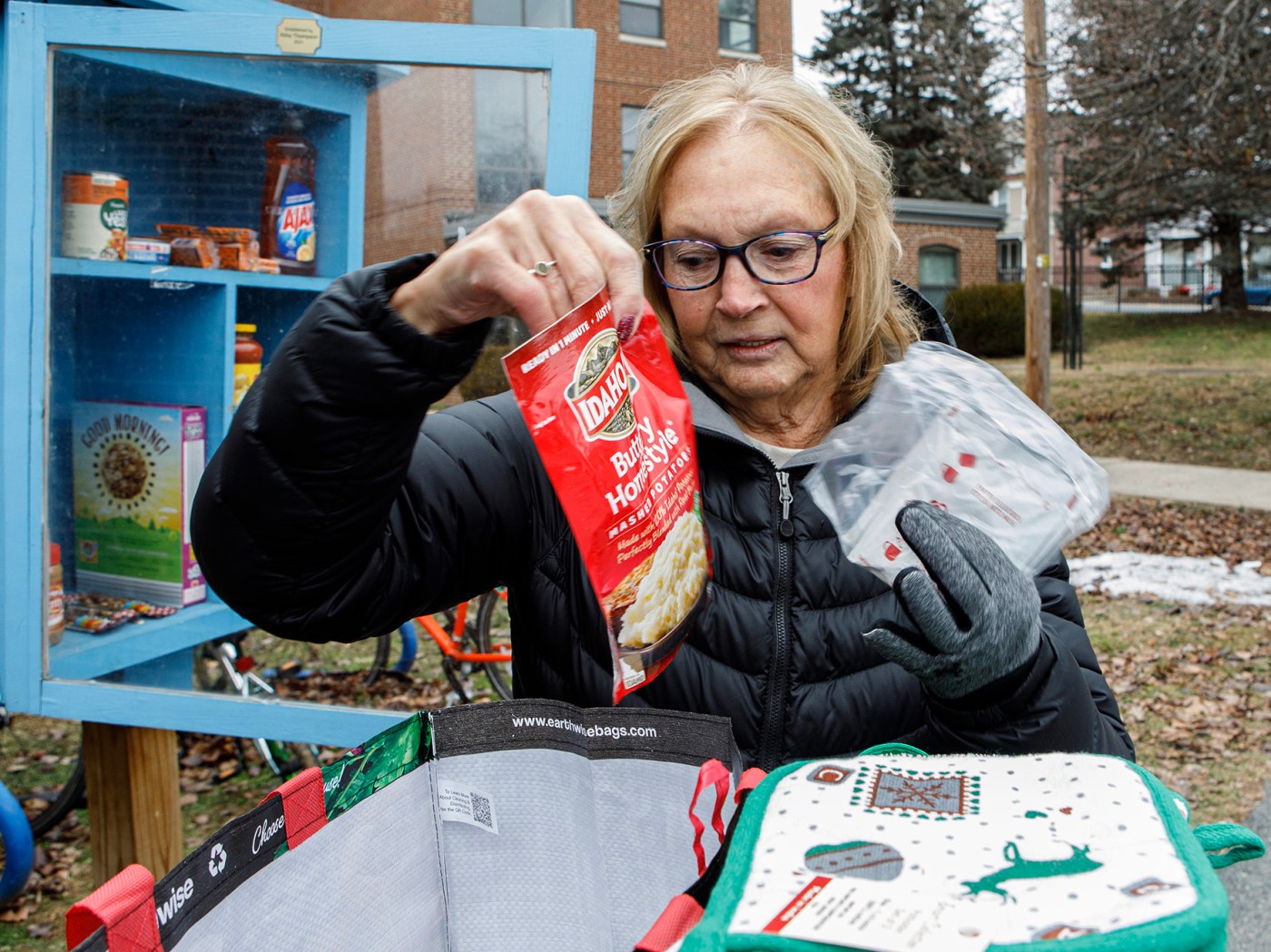
Efforts are underway in the Lehigh Valley to revive a community timebanking initiative that could provide residents with valuable support and services. Kathy Perlow, a 73-year-old resident of Bethlehem, has been a longstanding advocate for timebanking, a system that allows individuals to exchange hours of service rather than money. This model gained traction during the Great Recession, but participation has declined since the onset of the COVID-19 pandemic.
In 2010, Perlow witnessed the power of timebanking firsthand when a fellow timebank member had her wedding organized through the initiative. “We did an entire wedding for a timebanking member,” she recalled. “She was a trained medical interpreter, and she had logged all her hours as a medical interpreter.” In this system, every hour of service is valued equally, regardless of the type of work performed, creating a sense of reciprocity and community among participants.
The concept of timebanking was established by Edgar S. Cahn, who played a significant role in civil rights and anti-poverty legislation during the Johnson administration. Cahn promoted what he termed “time dollars,” emphasizing that an hour of work holds the same value, whether performed by a housekeeper or an engineer. His vision was to foster community through mutual assistance.
The Lehigh Valley timebank began in 1999 as the Community Exchange, initially designed to support patients discharged from hospitals needing help with daily tasks such as cooking and housekeeping. Sponsored by Lehigh Valley Health Network and funded by the Dorothy Rider Pool Health Care Trust, it shifted focus to broader mutual assistance, ultimately supporting the region’s social health.
Despite its previous success, the program has struggled to maintain momentum since the pandemic. Melissa Miranda, CEO of the Neighborhood Health Centers of the Lehigh Valley, acknowledged the decline in participation. “Before COVID, it was good. Since COVID, it has been challenging,” she stated. While the program remains active, Perlow believes it requires dedicated leadership to revitalize it.
Perlow, who also serves on the national TimeBank board, highlighted the need for a coordinator to manage the initiative effectively. “We just need someone to do it,” she said, emphasizing the importance of having someone who can maintain records and track exchanges within the timebank.
To reintroduce timebanking, Perlow envisions integrating it into community disaster preparedness plans, fostering connections among neighbors to enhance resilience. Rick Daugherty, executive director of Lehigh Valley Active Life, noted a similar initiative that allows older homeowners to provide housing in exchange for assistance with household chores. “This is a way not only to maximize talents, but it is a way to connect with other people,” Daugherty explained.
Critics of timebanking, including retired economics professor Michael A. MacDowell, argue that while it may work in small, close-knit communities, it is less effective as a broader economic model. He suggested that the system resembles historical barter economies, which were eventually replaced by monetary systems for efficiency.
Despite differing opinions, the success of timebanks across the globe, including in countries like Spain, Italy, China, and Malaysia, demonstrates the potential impact of valuing individuals’ time. Krista Wyatt, executive director of Timebanks.org, stated, “When we value every person and their time, we create a world that works for all of us.”
Examples of successful timebanking initiatives show parents exchanging childcare services to avoid choosing between work and family, and seniors combating isolation through neighborly support. Wyatt emphasized that communities are building resilience by pooling skills, providing transportation, and offering companionship.
Perlow remains hopeful about the future of timebanking in the Lehigh Valley. “If we would all embrace timebanking as a way to strengthen our community, I think more people would get involved,” she said. “Times have changed, and I get it, but maybe that’s where we need to get back to, like start neighborhood by neighborhood.”
For more information about the local timebanking initiative, interested parties can contact Kathy Perlow at [email protected].

Salesforce CEO Calls AI-Related Suicides ‘Darkest Aspect’ of Tech

Navigating Family Dynamics: Finding Your Voice Amid Exclusion

Tensions Rise as Denmark and U.S. Discuss Greenland’s Future

New Study Redefines Dark Matter: From Cold to Hot Origins

Penguins Secure Victory, Reclaim First Place in Atlantic Division

Investigators Identify Faulty Part in UPS MD-11 Crash

Elon Musk Denies Grok AI Generated Explicit Images of Minors

Willow Smith Stuns in Daring Swimwear Look, Fans React Now!

South Korea Unveils Ramen Experiences for Tourists at Airports

University of Hawaiʻi Joins $25.6M AI Initiative to Monitor Disasters

Interstellar Object 3I/ATLAS Emits Unprecedented Metal Alloy

Toledo City League Announces Hall of Fame Inductees for 2024

DOJ Seizes $15 Billion in Bitcoin from Major Crypto Fraud Network

Western Executives Confront Harsh Realities of China’s Manufacturing Edge

Mutual Advisors LLC Increases Stake in SPDR Portfolio ETF

Sharp Launches Five New Aquos QLED 4K Ultra HD Smart TVs

Community Unites for 7th Annual Walk to Raise Mental Health Awareness

Celtics Coach Joe Mazzulla Dominates Local Media in Scrimmage
-
Science2 months ago
University of Hawaiʻi Joins $25.6M AI Initiative to Monitor Disasters
-
 Science3 months ago
Interstellar Object 3I/ATLAS Emits Unprecedented Metal Alloy
-
 Lifestyle3 months ago
Toledo City League Announces Hall of Fame Inductees for 2024
-
 Business3 months ago
DOJ Seizes $15 Billion in Bitcoin from Major Crypto Fraud Network
-
 Science3 months ago
Western Executives Confront Harsh Realities of China’s Manufacturing Edge
-
 Politics3 months ago
Mutual Advisors LLC Increases Stake in SPDR Portfolio ETF
-
 Top Stories3 months ago
Sharp Launches Five New Aquos QLED 4K Ultra HD Smart TVs
-
 Health3 months ago
Community Unites for 7th Annual Walk to Raise Mental Health Awareness
-
 Sports3 months ago
Celtics Coach Joe Mazzulla Dominates Local Media in Scrimmage
-

 Politics3 months ago
Major Networks Reject Pentagon’s New Reporting Guidelines
-

 World3 months ago
INK Entertainment Launches Exclusive Sofia Pop-Up at Virgin Hotels
-

 Top Stories3 months ago
Microsoft Releases Urgent Windows 11 25H2 Update for All Users