
Lifestyle
Mikhail Gorbachev Receives Nobel Peace Prize on October 15, 1990

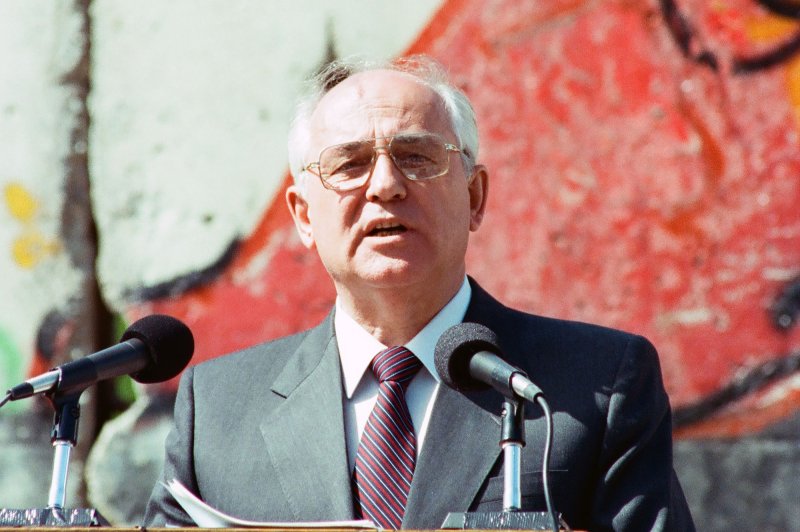
On October 15, 1990, Mikhail Gorbachev, the last leader of the Soviet Union, was awarded the Nobel Peace Prize for his pivotal role in ending the Cold War and promoting peace. The Nobel Committee recognized his efforts to foster international dialogue and cooperation during a period marked by significant geopolitical tension.
Gorbachev’s leadership was characterized by two key policies: glasnost (openness) and perestroika (restructuring). These reforms aimed to increase transparency within the Soviet government and revitalize its economy. Under his direction, the Soviet Union took substantial steps towards reducing nuclear arsenals and improving relations with the West.
His initiatives were instrumental in the dissolution of longstanding barriers between East and West, leading to the reunification of Germany and the eventual collapse of communist regimes across Eastern Europe. The Nobel Committee highlighted Gorbachev’s vision for a more peaceful world, stating that his policies contributed significantly to reducing military tensions globally.
Gorbachev’s recognition came at a time when the world was witnessing dramatic changes. The fall of the Berlin Wall just a year earlier in 1989 symbolized the end of an era dominated by Cold War hostilities. His approach to diplomacy and commitment to peaceful resolution of conflicts earned him respect on the international stage, even as he faced criticism domestically for the economic challenges that arose from his reforms.
In his acceptance speech, Gorbachev expressed gratitude for the award, emphasizing that it represented not just his achievements but also the collective efforts of countless individuals striving for peace. He urged nations to prioritize dialogue over conflict and work together to address global challenges.
The Nobel Peace Prize remains one of the most prestigious awards in the world, and Gorbachev’s receipt of it in 1990 underscored the importance of leadership in times of change. His legacy as a leader who sought to bridge divides continues to resonate in contemporary discussions about international relations and conflict resolution.
With Gorbachev’s passing in August 2022, the significance of his contributions to peace and diplomacy is even more pronounced. His life’s work serves as a reminder of the impact that visionary leadership can have on global affairs. The world continues to reflect on the lessons learned from his tenure as a leader during one of the most transformative periods in modern history.

Wyomissing Police Report Busy November with Hundreds of Calls

Versant Capital Management Boosts Citigroup Stake by 58.2%

David Harbour Discusses Intense Psychotherapy Journey for Mental Health

US Health Officials Restore $1.9 Billion for Mental Health Programs

Friends Association Opens New Shelter to Aid Families in Need

Greenland and Denmark Conclude Talks with US on Territory Dispute

Chelsea Handler Slams Timothee Chalamet’s Praise for Kylie Jenner

Over 387,000 Users Download Vulnerable Apache Struts Versions

Hawks Seek Redemption Against Trail Blazers After Lakers Loss

University of Hawaiʻi Joins $25.6M AI Initiative to Monitor Disasters

Interstellar Object 3I/ATLAS Emits Unprecedented Metal Alloy

Toledo City League Announces Hall of Fame Inductees for 2024

DOJ Seizes $15 Billion in Bitcoin from Major Crypto Fraud Network

Western Executives Confront Harsh Realities of China’s Manufacturing Edge

Sharp Launches Five New Aquos QLED 4K Ultra HD Smart TVs

Mutual Advisors LLC Increases Stake in SPDR Portfolio ETF

Community Unites for 7th Annual Walk to Raise Mental Health Awareness

Celtics Coach Joe Mazzulla Dominates Local Media in Scrimmage
-
Science2 months ago
University of Hawaiʻi Joins $25.6M AI Initiative to Monitor Disasters
-
 Science3 months ago
Interstellar Object 3I/ATLAS Emits Unprecedented Metal Alloy
-
 Lifestyle3 months ago
Toledo City League Announces Hall of Fame Inductees for 2024
-
 Business3 months ago
DOJ Seizes $15 Billion in Bitcoin from Major Crypto Fraud Network
-
 Science3 months ago
Western Executives Confront Harsh Realities of China’s Manufacturing Edge
-
 Top Stories3 months ago
Sharp Launches Five New Aquos QLED 4K Ultra HD Smart TVs
-
 Politics3 months ago
Mutual Advisors LLC Increases Stake in SPDR Portfolio ETF
-
 Health3 months ago
Community Unites for 7th Annual Walk to Raise Mental Health Awareness
-
 Sports3 months ago
Celtics Coach Joe Mazzulla Dominates Local Media in Scrimmage
-

 Politics3 months ago
Major Networks Reject Pentagon’s New Reporting Guidelines
-

 World3 months ago
INK Entertainment Launches Exclusive Sofia Pop-Up at Virgin Hotels
-
 Top Stories3 months ago
Microsoft Releases Urgent Windows 11 25H2 Update for All Users