
Politics
Afghan Refugee Shooting Incident Sparks Debate on Vetting Process

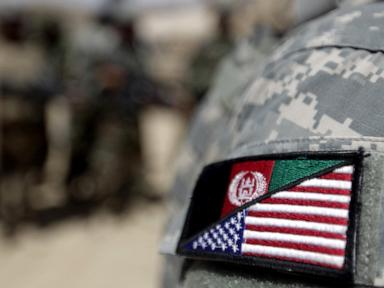
The shooting of two National Guard personnel in downtown Washington, D.C., allegedly by Afghan refugee Rahmanullah Lakanwal, has reignited discussions surrounding the vetting process for Afghan asylum seekers. This incident, which occurred in a busy city area, has raised questions about the efficacy of a program initiated by the Biden administration aimed at resettling Afghans who had collaborated with U.S. forces during the 20-year conflict in Afghanistan.
In 2021, the U.S. government facilitated the resettlement of approximately 76,000 Afghan refugees, according to the Department of Homeland Security. Officials have identified Lakanwal as one of approximately 3,300 refugees who received a “special immigrant visa,” which expedited his entry due to his employment with the Central Intelligence Agency (CIA) and other U.S. agencies. Lakanwal arrived in the U.S. in 2021 and subsequently applied for asylum in 2024. He was granted asylum in April 2025 during the administration of Donald Trump.
During a news conference, FBI Director Kash Patel claimed that the Biden administration conducted “absolutely zero vetting” of refugees. However, this assertion has been challenged. Questions linger regarding the thoroughness of the vetting process for Lakanwal during both his initial entry in 2021 and the asylum approval in 2025. CIA Director John Ratcliffe indicated that Lakanwal’s involvement with the CIA would have necessitated vetting by the agency at that time. It is also likely that he underwent further scrutiny before being granted asylum this year.
According to Homeland Security Secretary Kristi Noem, there have been 8,000 refugees admitted since Trump took office, and both Noem and Patel suggested during congressional hearings that the administration meticulously examined all cases. Patel assured the Senate Judiciary Committee in September that databases were reviewed to prevent known or suspected terrorists from entering the U.S.
Alejandro Mayorkas, who served as Secretary of Homeland Security under Biden, stated that all Afghan evacuees underwent a rigorous screening process before entering the U.S. He emphasized that this process involved biometric and biographic evaluations conducted by intelligence, law enforcement, and counterterrorism professionals from various federal agencies.
The urgency of the evacuation efforts following the withdrawal of U.S. troops from Afghanistan led to concerns about the comprehensiveness of the vetting procedures. The abrupt collapse of the Kabul government and the subsequent takeover by the Taliban added to the complexity of resettling Afghan refugees. Reports indicate that the chaotic situation in Doha, Qatar, where many evacuees were initially taken, resulted in a humanitarian crisis marked by overcrowding and incomplete flight manifests.
While some conservatives have voiced concerns about the safety of resettling large numbers of Afghans, advocacy groups have defended the vetting process. AfghanEvac, an organization dedicated to assisting Afghan refugees, asserted that the immigrants undergo extensive security checks, making them among the most scrutinized groups in the U.S. “This individual’s isolated and violent act should not be used as an excuse to define or diminish an entire community,” stated Shawn VanDiver, President of AfghanEvac.
As investigations continue into the shooting incident and the suspect’s background, the discourse surrounding the vetting of refugees remains a critical issue, reflecting broader concerns about national security and humanitarian obligations.

Community Unites to Attempt World Record for Largest Cookie Exchange

Mayor Lurie Appoints Alan Wong to District 4 Seat Amid Controversy

Mayor Appoints Alan Wong as New Supervisor for District 4

UK Report Reveals AI’s Role in Evaluating University Research Quality

Gabriela Jaquez Shines as No. 3 UCLA Dominates No. 14 Tennessee

Trump Promises to Release MRI Results Despite Uncertainty on Scan

Japan’s Q3 Capital Expenditure Slows Despite Surge in Profits

South Korea Announces Urgent FX Oversight Measures to Stabilize Won

Tampa’s Annual Tree Lighting Ignites Holiday Spirit Tonight

University of Hawaiʻi Joins $25.6M AI Initiative to Monitor Disasters

Toledo City League Announces Hall of Fame Inductees for 2024

DOJ Seizes $15 Billion in Bitcoin from Major Crypto Fraud Network

Sharp Launches Five New Aquos QLED 4K Ultra HD Smart TVs

Celtics Coach Joe Mazzulla Dominates Local Media in Scrimmage

Mutual Advisors LLC Increases Stake in SPDR Portfolio ETF

Community Unites for 7th Annual Walk to Raise Mental Health Awareness

Western Executives Confront Harsh Realities of China’s Manufacturing Edge

Major Networks Reject Pentagon’s New Reporting Guidelines
-
Science4 weeks ago
University of Hawaiʻi Joins $25.6M AI Initiative to Monitor Disasters
-
 Lifestyle2 months ago
Toledo City League Announces Hall of Fame Inductees for 2024
-
 Business2 months ago
DOJ Seizes $15 Billion in Bitcoin from Major Crypto Fraud Network
-
 Top Stories2 months ago
Sharp Launches Five New Aquos QLED 4K Ultra HD Smart TVs
-
 Sports2 months ago
Celtics Coach Joe Mazzulla Dominates Local Media in Scrimmage
-
 Politics2 months ago
Mutual Advisors LLC Increases Stake in SPDR Portfolio ETF
-
 Health2 months ago
Community Unites for 7th Annual Walk to Raise Mental Health Awareness
-
 Science2 months ago
Western Executives Confront Harsh Realities of China’s Manufacturing Edge
-
 Politics2 months ago
Major Networks Reject Pentagon’s New Reporting Guidelines
-

 World2 months ago
INK Entertainment Launches Exclusive Sofia Pop-Up at Virgin Hotels
-

 Science1 month ago
Astronomers Discover Twin Cosmic Rings Dwarfing Galaxies
-

 Top Stories1 month ago
Randi Mahomes Launches Game Day Clothing Line with Chiefs