
Politics
Boulder Approves Dark Horse Relocation Amid Housing Redevelopment

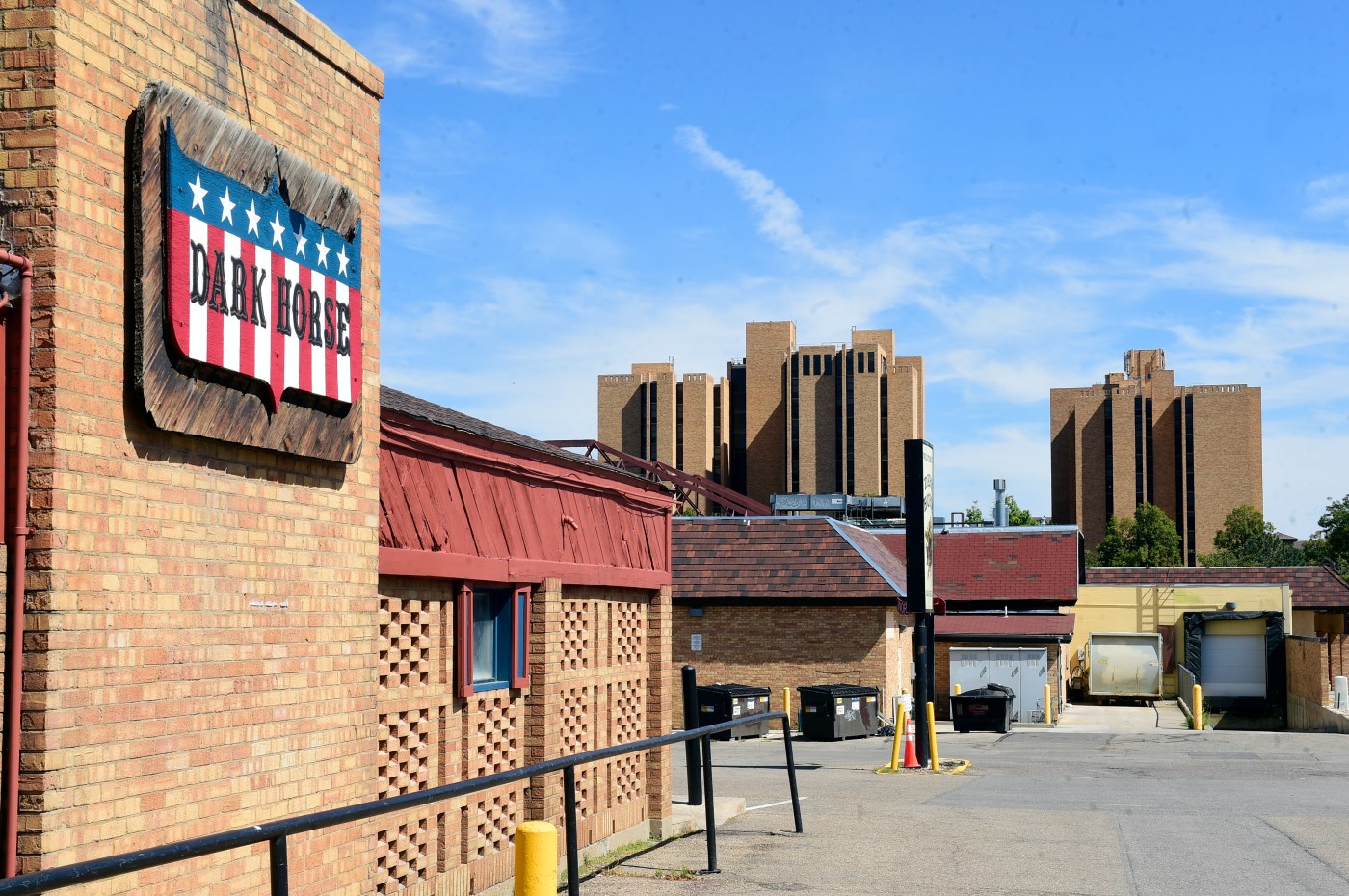
The Boulder City Council has unanimously approved a redevelopment plan that will see the iconic Dark Horse bar relocate after 50 years at its original site. The plan involves transforming the land into a multi-building complex featuring more than 400 residential units along with commercial space. This decision reflects a significant shift in Boulder’s approach to urban growth, as the city seeks to balance the need for housing with community values.
The future of the Dark Horse had previously seemed uncertain as the owners had not publicly disclosed their intentions, leaving many community members anxious about the establishment’s fate. However, the owners successfully negotiated directly with developers, ensuring that the essence of the Dark Horse could continue in a new location. This outcome underscores the importance of community engagement in development discussions. Residents actively participated, providing feedback that the city considered, leading to a compromise rather than conflict.
Boulder’s redevelopment initiative is noteworthy for its departure from traditional urban planning practices. The removal of minimum parking requirements indicates a move toward a more European-style design that prioritizes walkability. This new approach aims to foster a vibrant neighborhood where essential amenities are easily accessible by foot or bike, similar to the mixed-use areas found in cities like Barcelona.
While the relocation of the Dark Horse is a significant cultural moment for many residents, there are mixed feelings about the broader implications of this redevelopment. Critics express concerns that the introduction of hundreds of new housing units could drive up local housing costs, creating a paradox in Boulder’s housing market. Some community members argue that the city has a dual desire to increase housing affordability while resisting changes that might disrupt the status quo.
According to local resident Bill Wright, nostalgia for the Dark Horse is intertwined with fears about the future of the area. He questions the efficacy of housing initiatives that promise affordability while failing to impact overall market dynamics. Wright asserts that the community should appreciate the establishment’s legacy rather than resist change, emphasizing the need for a realistic understanding of development’s role in urban growth.
Another perspective comes from Elyse Morgan, who reflects on the importance of distinguishing between nostalgia and history. She draws parallels between the current debate over the Dark Horse’s relocation and broader societal issues regarding historical narratives. Morgan suggests that the loss of the Dark Horse may represent more than just the physical building; it could reflect a shift in community identity that deserves critical examination.
Additionally, Jim Vacca raises concerns about the impact of redevelopment on local culture and memory. He notes the significance of the Dark Horse’s unique atmosphere and the memories tied to its physical space. Vacca draws on the philosophical question of whether a place remains the same when its original elements are replaced, suggesting that the essence of the Dark Horse may not fully transfer to its new location.
As Boulder moves forward with this ambitious project, the community will be closely watching the outcomes. The success of the new neighborhood will depend on its ability to deliver not just housing but also a vibrant, walkable environment that retains the character that makes Boulder unique. For now, the Dark Horse’s future is secured, but its legacy will continue to shape discussions about urban development in Boulder.
The Boulder City Council’s decision marks a pivotal moment in the city’s evolution, setting the stage for what could be a transformative chapter in its history. As the redevelopment progresses, community members remain hopeful that this new direction will enhance, rather than diminish, the spirit of Boulder.

Community Unites to Attempt World Record for Largest Cookie Exchange

Mayor Lurie Appoints Alan Wong to District 4 Seat Amid Controversy

Mayor Appoints Alan Wong as New Supervisor for District 4

UK Report Reveals AI’s Role in Evaluating University Research Quality

Gabriela Jaquez Shines as No. 3 UCLA Dominates No. 14 Tennessee

Trump Promises to Release MRI Results Despite Uncertainty on Scan

Japan’s Q3 Capital Expenditure Slows Despite Surge in Profits

South Korea Announces Urgent FX Oversight Measures to Stabilize Won

Tampa’s Annual Tree Lighting Ignites Holiday Spirit Tonight

University of Hawaiʻi Joins $25.6M AI Initiative to Monitor Disasters

Toledo City League Announces Hall of Fame Inductees for 2024

DOJ Seizes $15 Billion in Bitcoin from Major Crypto Fraud Network

Sharp Launches Five New Aquos QLED 4K Ultra HD Smart TVs

Celtics Coach Joe Mazzulla Dominates Local Media in Scrimmage

Mutual Advisors LLC Increases Stake in SPDR Portfolio ETF

Community Unites for 7th Annual Walk to Raise Mental Health Awareness

Western Executives Confront Harsh Realities of China’s Manufacturing Edge

Major Networks Reject Pentagon’s New Reporting Guidelines
-
Science4 weeks ago
University of Hawaiʻi Joins $25.6M AI Initiative to Monitor Disasters
-
 Lifestyle2 months ago
Toledo City League Announces Hall of Fame Inductees for 2024
-
 Business2 months ago
DOJ Seizes $15 Billion in Bitcoin from Major Crypto Fraud Network
-
 Top Stories2 months ago
Sharp Launches Five New Aquos QLED 4K Ultra HD Smart TVs
-
 Sports2 months ago
Celtics Coach Joe Mazzulla Dominates Local Media in Scrimmage
-
 Politics2 months ago
Mutual Advisors LLC Increases Stake in SPDR Portfolio ETF
-
 Health2 months ago
Community Unites for 7th Annual Walk to Raise Mental Health Awareness
-
 Science2 months ago
Western Executives Confront Harsh Realities of China’s Manufacturing Edge
-
 Politics2 months ago
Major Networks Reject Pentagon’s New Reporting Guidelines
-

 World2 months ago
INK Entertainment Launches Exclusive Sofia Pop-Up at Virgin Hotels
-

 Science1 month ago
Astronomers Discover Twin Cosmic Rings Dwarfing Galaxies
-

 Top Stories1 month ago
Randi Mahomes Launches Game Day Clothing Line with Chiefs