
Politics
Democrats Urged to Shift Focus as Trump Points to Rising Violence

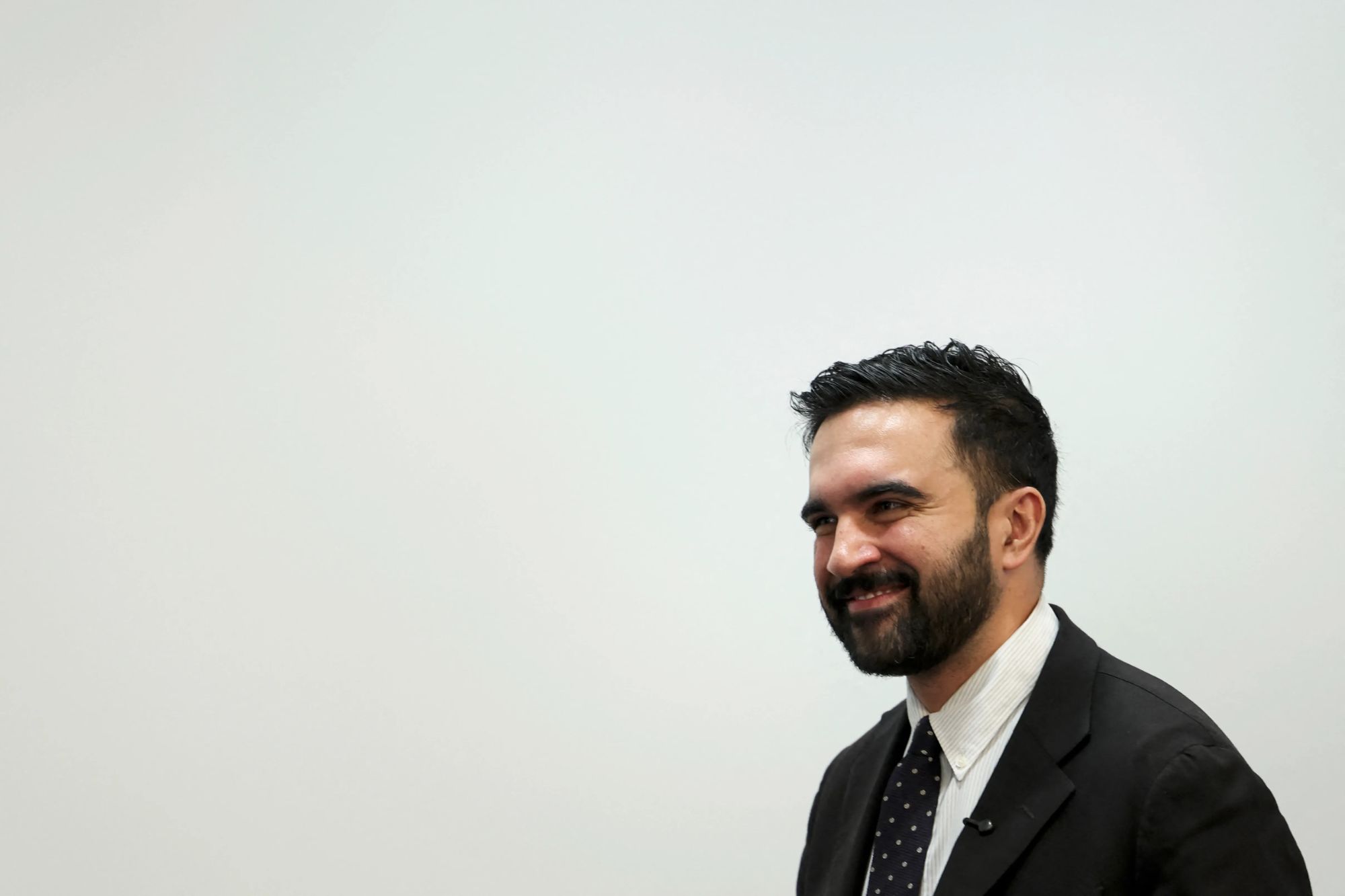
Recent commentary highlights significant discussions within political and social spheres, particularly regarding the Democratic Party’s direction and rising crime rates in the United States. The conversations also touch on the resurgence of religious interest globally and the complexities surrounding healthcare enrollment.
Political Shifts Within the Democratic Party
In a provocative piece, Joe Klein, writing for Sanity Clause, argues that the Democratic Party must distance itself from past ideological obsessions. He suggests that the party’s fixation on issues like the #MeToo movement has hindered its progress. Klein advocates for the election of Andrew Cuomo as a pragmatic leader capable of addressing New York’s pressing political challenges. He describes Cuomo as a mayor who would prioritize practical governance over ideology.
Conversely, Klein refers to Zohran Mamdani as “political poison” for the Democrats, criticizing his support for groups he labels as “Hamas terrorists” and dismissing his ideas as “socialist twaddle.” Klein warns that Mamdani’s potential success could pose significant challenges for Democrats nationwide, particularly at a time when the party faces substantial electoral vulnerabilities.
Concerns About Rising Violence and Criminal Justice
Amidst these political discussions, a report from the Bureau of Justice Statistics has reignited debates over crime rates in the United States. John R. Lott, writing for RealClearPolitics, indicates that the report supports former President Donald Trump‘s claims regarding soaring crime levels. Lott highlights a startling **59% surge** in violent crime, a statistic derived from the National Crime Victimization Survey, which asks individuals about their experiences with crime, including those not reported to law enforcement.
This data points to a growing discrepancy between officially reported crimes and actual victimization rates. Lott emphasizes that many victims choose not to report crimes, particularly when they feel that progressive prosecutors may not pursue these cases. He argues that until the justice system addresses this reporting gap, Americans will continue to encounter rising violence that remains hidden from traditional crime statistics.
Global Trends in Faith and Space Exploration
In a broader context, Joel Kotkin at UnHerd examines a notable shift in religious engagement, particularly among younger demographics in the United States. He notes a spiritual resurgence that even extends to Europe, where interest in religious texts, notably the Bible, is experiencing a revival. Kotkin challenges the prevailing narrative that religious individuals are less ambitious or intelligent than non-believers, citing data that suggests religiously engaged people are now more likely to be well-educated.
Additionally, Kotkin points out Africa’s significant religious transformation, which aligns with its economic growth, suggesting that this trend could influence Western societies as well.
Meanwhile, in the realm of space exploration, Mark R. Whittington reports on the latest advancements from SpaceX, particularly their successful test of the Starship. He notes that while the test was impressive, challenges remain in achieving human landings on the Moon, highlighting the necessity of refueling in low Earth orbit before proceeding to lunar missions. Whittington mentions Jared Isaacman as a potential candidate to lead NASA, praising his innovative thinking as essential for the success of the Artemis program.
Healthcare Enrollment and Fraud Concerns
On the healthcare front, Chris Pope from City Journal raises alarms about enrollment trends in Obamacare plans, particularly in Florida’s Miami-Dade County, where the enrollment rate is nearly six times higher than the national average. This surge raises concerns about potential fraud, as many enrollees may not be eligible or may already possess other health coverage. Pope indicates that the substantial federal subsidies during the COVID-19 pandemic may have inadvertently invited fraudulent activity, with some brokers misreporting income levels and even paying individuals to enroll.
Pope argues for a reevaluation of policies surrounding the enrollment process, suggesting that requiring some contribution from all enrollees could help mitigate fraud and ensure that the program serves those truly in need.
As these discussions unfold, they reflect broader societal concerns that resonate across various segments of the population, pointing to critical challenges and opportunities in politics, crime, faith, and healthcare.

Shark Teeth Research Reveals Urgent Need to Protect Species

Church Members Unite in Resilience After Thanksgiving Fire

Community Unites to Attempt World Record for Largest Cookie Exchange

Mayor Lurie Appoints Alan Wong to District 4 Seat Amid Controversy

Mayor Appoints Alan Wong as New Supervisor for District 4

UK Report Reveals AI’s Role in Evaluating University Research Quality

Gabriela Jaquez Shines as No. 3 UCLA Dominates No. 14 Tennessee

Trump Promises to Release MRI Results Despite Uncertainty on Scan

Japan’s Q3 Capital Expenditure Slows Despite Surge in Profits

University of Hawaiʻi Joins $25.6M AI Initiative to Monitor Disasters

Toledo City League Announces Hall of Fame Inductees for 2024

DOJ Seizes $15 Billion in Bitcoin from Major Crypto Fraud Network

Sharp Launches Five New Aquos QLED 4K Ultra HD Smart TVs

Celtics Coach Joe Mazzulla Dominates Local Media in Scrimmage

Community Unites for 7th Annual Walk to Raise Mental Health Awareness

Mutual Advisors LLC Increases Stake in SPDR Portfolio ETF

Western Executives Confront Harsh Realities of China’s Manufacturing Edge

INK Entertainment Launches Exclusive Sofia Pop-Up at Virgin Hotels
-
Science4 weeks ago
University of Hawaiʻi Joins $25.6M AI Initiative to Monitor Disasters
-
 Lifestyle2 months ago
Toledo City League Announces Hall of Fame Inductees for 2024
-
 Business2 months ago
DOJ Seizes $15 Billion in Bitcoin from Major Crypto Fraud Network
-
 Top Stories2 months ago
Sharp Launches Five New Aquos QLED 4K Ultra HD Smart TVs
-
 Sports2 months ago
Celtics Coach Joe Mazzulla Dominates Local Media in Scrimmage
-
 Health2 months ago
Community Unites for 7th Annual Walk to Raise Mental Health Awareness
-
 Politics2 months ago
Mutual Advisors LLC Increases Stake in SPDR Portfolio ETF
-
 Science2 months ago
Western Executives Confront Harsh Realities of China’s Manufacturing Edge
-
 World2 months ago
INK Entertainment Launches Exclusive Sofia Pop-Up at Virgin Hotels
-

 Politics2 months ago
Major Networks Reject Pentagon’s New Reporting Guidelines
-

 Science1 month ago
Astronomers Discover Twin Cosmic Rings Dwarfing Galaxies
-

 Top Stories1 month ago
Randi Mahomes Launches Game Day Clothing Line with Chiefs