
Politics
Dutch Far-Right Fragmentation: Coenradie Challenges Wilders

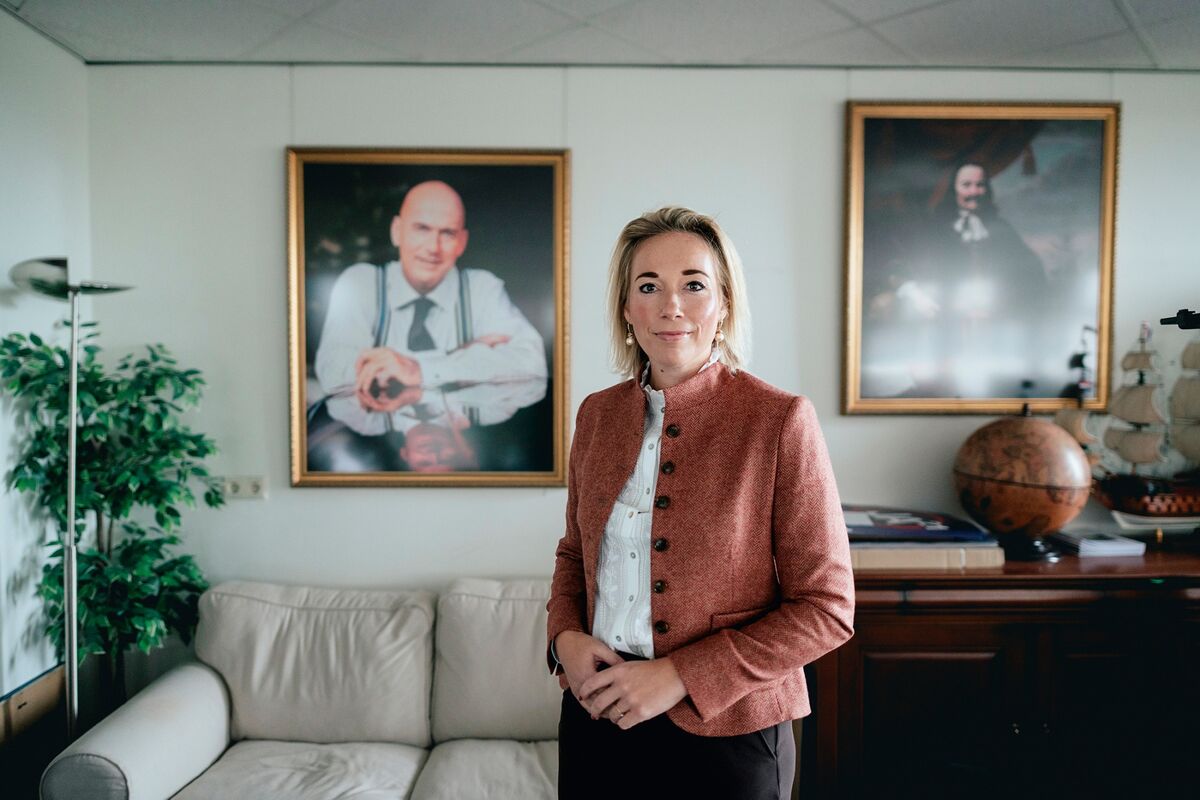
The Dutch political landscape is shifting as a new contender emerges from the far-right, challenging the long-standing dominance of Geert Wilders. Ingrid Coenradie, previously a lesser-known figure in politics, is gaining traction with her party, JA21, ahead of the upcoming elections on March 15, 2024. This change may indicate a fracture within the far-right base in the Netherlands, as voters express dissatisfaction with Wilders’ hardline approach.
Coenradie’s rise marks a significant moment in Dutch politics, particularly as public sentiment appears to be leaning towards a more moderate alternative to Wilders’ Freedom Party. Her campaign focuses on issues that resonate with voters who feel alienated by the extreme measures often endorsed by Wilders. By addressing concerns about migration and social integration, Coenradie is tapping into a growing desire for change among the electorate.
The upcoming elections present a crucial opportunity for Coenradie and her party. Polling data suggests that JA21 has gained momentum, drawing a portion of Wilders’ support. This shift could redefine the far-right’s influence in the Netherlands, as Coenradie positions herself as a fresh voice advocating for a more nuanced approach to pressing national issues.
Voter engagement is crucial in any election, and Coenradie’s strategy appears to be resonating with those who have grown weary of the divisive rhetoric often associated with Wilders. Her focus on practical solutions rather than incendiary language may appeal to a broader audience, potentially expanding her party’s reach beyond traditional far-right supporters.
As the election date approaches, the dynamics within the far-right are becoming increasingly complex. Analysts are monitoring how this internal competition will unfold and what implications it may have for the future of Dutch politics. A splintering of the far-right vote could alter the balance of power in the Dutch parliament, complicating the political landscape for all parties involved.
Ingrid Coenradie’s emergence is not just about personal ambition; it reflects a broader shift within the electorate that seeks alternatives to established leaders. Her appeal lies in her ability to connect with voters on a more personal level, advocating for policies that resonate with their everyday experiences. This change could signal a transformation within the far-right, presenting new challenges for Geert Wilders as he navigates the evolving political terrain.
As Dutch voters head to the polls, the outcome will not only determine the future of JA21 but could also reshape the far-right’s role in the Netherlands. The fragmentation of support for Wilders is a development that warrants close attention, as it may set the stage for a new era in Dutch politics, one that prioritizes dialogue over division.

Bitcoin Plummets Below $88K Amid Tether Concerns and Warnings

Designers Unveil 5 Urgent Tricks to Transform Outdoor Eyesores

Shark Teeth Research Reveals Urgent Need to Protect Species

Church Members Unite in Resilience After Thanksgiving Fire

Community Unites to Attempt World Record for Largest Cookie Exchange

Mayor Lurie Appoints Alan Wong to District 4 Seat Amid Controversy

Mayor Appoints Alan Wong as New Supervisor for District 4

UK Report Reveals AI’s Role in Evaluating University Research Quality

Gabriela Jaquez Shines as No. 3 UCLA Dominates No. 14 Tennessee

University of Hawaiʻi Joins $25.6M AI Initiative to Monitor Disasters

Toledo City League Announces Hall of Fame Inductees for 2024

DOJ Seizes $15 Billion in Bitcoin from Major Crypto Fraud Network

Sharp Launches Five New Aquos QLED 4K Ultra HD Smart TVs

Celtics Coach Joe Mazzulla Dominates Local Media in Scrimmage

Mutual Advisors LLC Increases Stake in SPDR Portfolio ETF

Community Unites for 7th Annual Walk to Raise Mental Health Awareness

Western Executives Confront Harsh Realities of China’s Manufacturing Edge

Major Networks Reject Pentagon’s New Reporting Guidelines
-
Science4 weeks ago
University of Hawaiʻi Joins $25.6M AI Initiative to Monitor Disasters
-
 Lifestyle2 months ago
Toledo City League Announces Hall of Fame Inductees for 2024
-
 Business2 months ago
DOJ Seizes $15 Billion in Bitcoin from Major Crypto Fraud Network
-
 Top Stories2 months ago
Sharp Launches Five New Aquos QLED 4K Ultra HD Smart TVs
-
 Sports2 months ago
Celtics Coach Joe Mazzulla Dominates Local Media in Scrimmage
-
 Politics2 months ago
Mutual Advisors LLC Increases Stake in SPDR Portfolio ETF
-
 Health2 months ago
Community Unites for 7th Annual Walk to Raise Mental Health Awareness
-
 Science2 months ago
Western Executives Confront Harsh Realities of China’s Manufacturing Edge
-
 Politics2 months ago
Major Networks Reject Pentagon’s New Reporting Guidelines
-

 World2 months ago
INK Entertainment Launches Exclusive Sofia Pop-Up at Virgin Hotels
-

 Science1 month ago
Astronomers Discover Twin Cosmic Rings Dwarfing Galaxies
-

 Top Stories1 month ago
Randi Mahomes Launches Game Day Clothing Line with Chiefs