
Politics
Liberals Plan to Abandon Net Zero Policies Amid Criticism

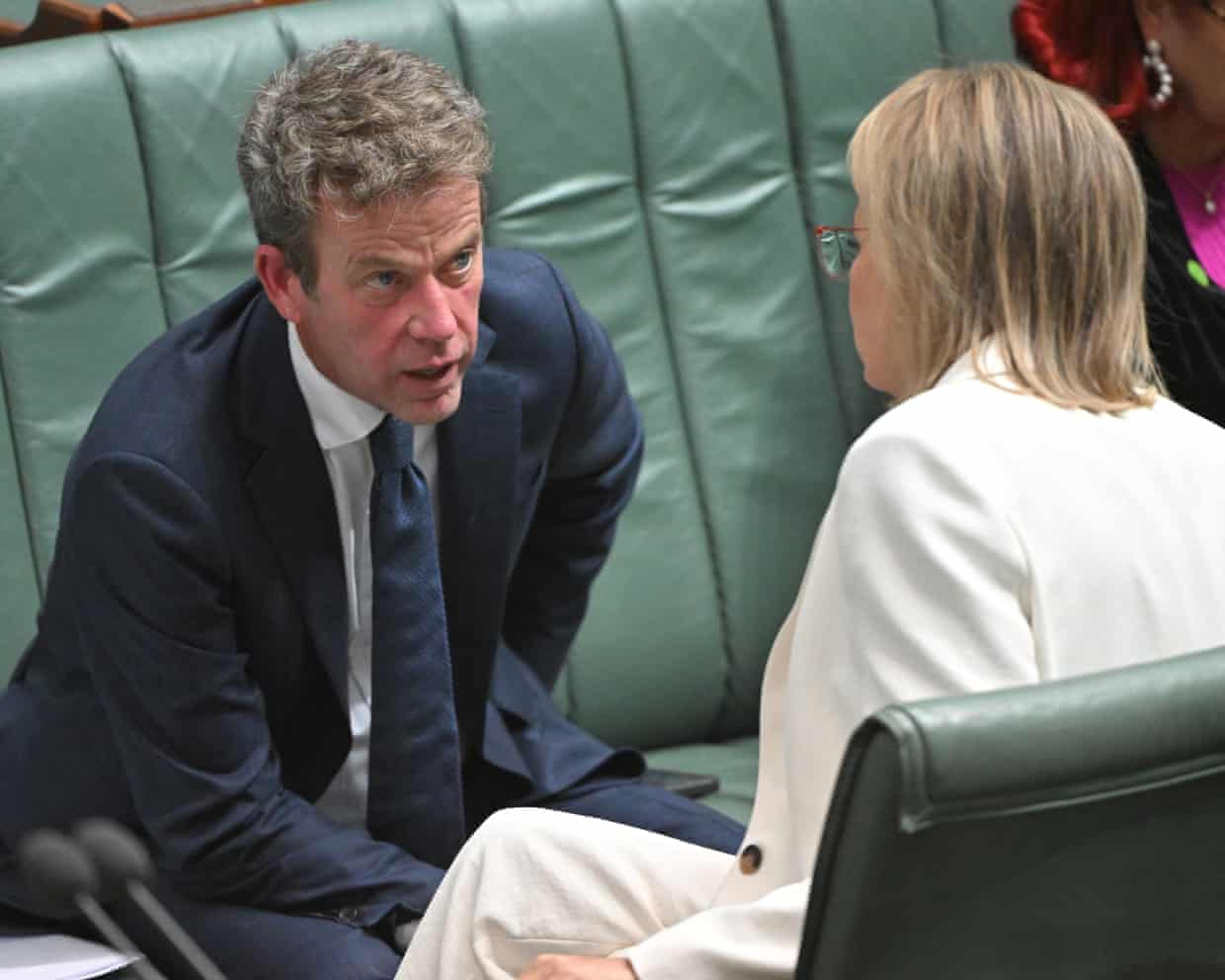
The Australian Liberal Party is poised to abandon its commitment to net zero emissions, a decision that has sparked significant debate regarding the implications for the country’s energy policy and environmental responsibilities. After a lengthy party meeting on Wednesday, shadow energy minister Dan Tehan emphasized that the party’s new stance is based on two fundamental principles: the need for a stable and reliable energy grid and the importance of responsible emissions reductions.
Critics Question Credibility of New Policy
Tehan stated that the first principle focuses on ensuring affordable energy for households and businesses. However, critics argue that this rationale fails to hold up against existing evidence. With the global transition towards renewable energy, the notion that renewables cannot contribute to a stable energy grid by 2025 and beyond is increasingly challenged. Research from Griffith University indicates that electricity generation costs would be as much as 50% higher if Australia had solely relied on coal and gas, highlighting the financial advantages of renewable energy.
Moreover, abandoning green energy initiatives could lead to higher power bills. Factors such as rising commodity prices and advancements in clean energy technology have rendered coal less competitive as an energy source. Analysis from the Treasury, commissioned by the Albanese Government, further suggests that a reduction in efforts to cut carbon emissions could negatively impact investment, jobs, and economic growth, potentially leading to a 4% decrease in real wages by mid-century.
Political Implications and Voter Sentiment
The Liberal Party’s shift away from net zero raises questions about its alignment with the Paris climate agreement, which mandates that countries must not backtrack on their emissions targets. Observers note that abandoning the net zero goal by 2050 would send a clear signal of weakened climate action, contradicting the global commitment to limit temperature increases to under 1.5°C.
Opposition leader Sussan Ley did not address the media after the meeting, but reports suggest she is working on formulating an anti-net zero policy in collaboration with the Nationals. Meanwhile, internal research presented by the Liberal federal director, Andrew Hirst, indicates that voters equate net zero with proactive climate action, suggesting that the party’s new direction could alienate its base.
Despite the political challenges, some moderate members of the party expressed disappointment over the discussions, indicating a divide within the ranks. Many fear that the leadership is too closely mirroring the stance of the Nationals, a smaller coalition partner. Following a major electoral defeat attributed in part to climate critics like Barnaby Joyce and Matt Canavan, moderate Liberals hope for a shift back towards more robust climate policies.
The ongoing debate over net zero in Australia underscores the broader tensions between economic interests and environmental responsibilities. As the Liberal Party navigates this complex landscape, its decisions will undoubtedly have lasting implications for Australia’s energy future and its role in global climate initiatives.

Bitcoin Plummets Below $88K Amid Tether Concerns and Warnings

Designers Unveil 5 Urgent Tricks to Transform Outdoor Eyesores

Shark Teeth Research Reveals Urgent Need to Protect Species

Church Members Unite in Resilience After Thanksgiving Fire

Community Unites to Attempt World Record for Largest Cookie Exchange

Mayor Lurie Appoints Alan Wong to District 4 Seat Amid Controversy

Mayor Appoints Alan Wong as New Supervisor for District 4

UK Report Reveals AI’s Role in Evaluating University Research Quality

Gabriela Jaquez Shines as No. 3 UCLA Dominates No. 14 Tennessee

University of Hawaiʻi Joins $25.6M AI Initiative to Monitor Disasters

Toledo City League Announces Hall of Fame Inductees for 2024

DOJ Seizes $15 Billion in Bitcoin from Major Crypto Fraud Network

Sharp Launches Five New Aquos QLED 4K Ultra HD Smart TVs

Celtics Coach Joe Mazzulla Dominates Local Media in Scrimmage

Community Unites for 7th Annual Walk to Raise Mental Health Awareness

Mutual Advisors LLC Increases Stake in SPDR Portfolio ETF

Western Executives Confront Harsh Realities of China’s Manufacturing Edge

INK Entertainment Launches Exclusive Sofia Pop-Up at Virgin Hotels
-
Science4 weeks ago
University of Hawaiʻi Joins $25.6M AI Initiative to Monitor Disasters
-
 Lifestyle2 months ago
Toledo City League Announces Hall of Fame Inductees for 2024
-
 Business2 months ago
DOJ Seizes $15 Billion in Bitcoin from Major Crypto Fraud Network
-
 Top Stories2 months ago
Sharp Launches Five New Aquos QLED 4K Ultra HD Smart TVs
-
 Sports2 months ago
Celtics Coach Joe Mazzulla Dominates Local Media in Scrimmage
-
 Health2 months ago
Community Unites for 7th Annual Walk to Raise Mental Health Awareness
-
 Politics2 months ago
Mutual Advisors LLC Increases Stake in SPDR Portfolio ETF
-
 Science2 months ago
Western Executives Confront Harsh Realities of China’s Manufacturing Edge
-
 World2 months ago
INK Entertainment Launches Exclusive Sofia Pop-Up at Virgin Hotels
-

 Politics2 months ago
Major Networks Reject Pentagon’s New Reporting Guidelines
-

 Science1 month ago
Astronomers Discover Twin Cosmic Rings Dwarfing Galaxies
-

 Top Stories1 month ago
Randi Mahomes Launches Game Day Clothing Line with Chiefs