
Politics
Matt Kean Urges Coalition to Support New Environmental Laws

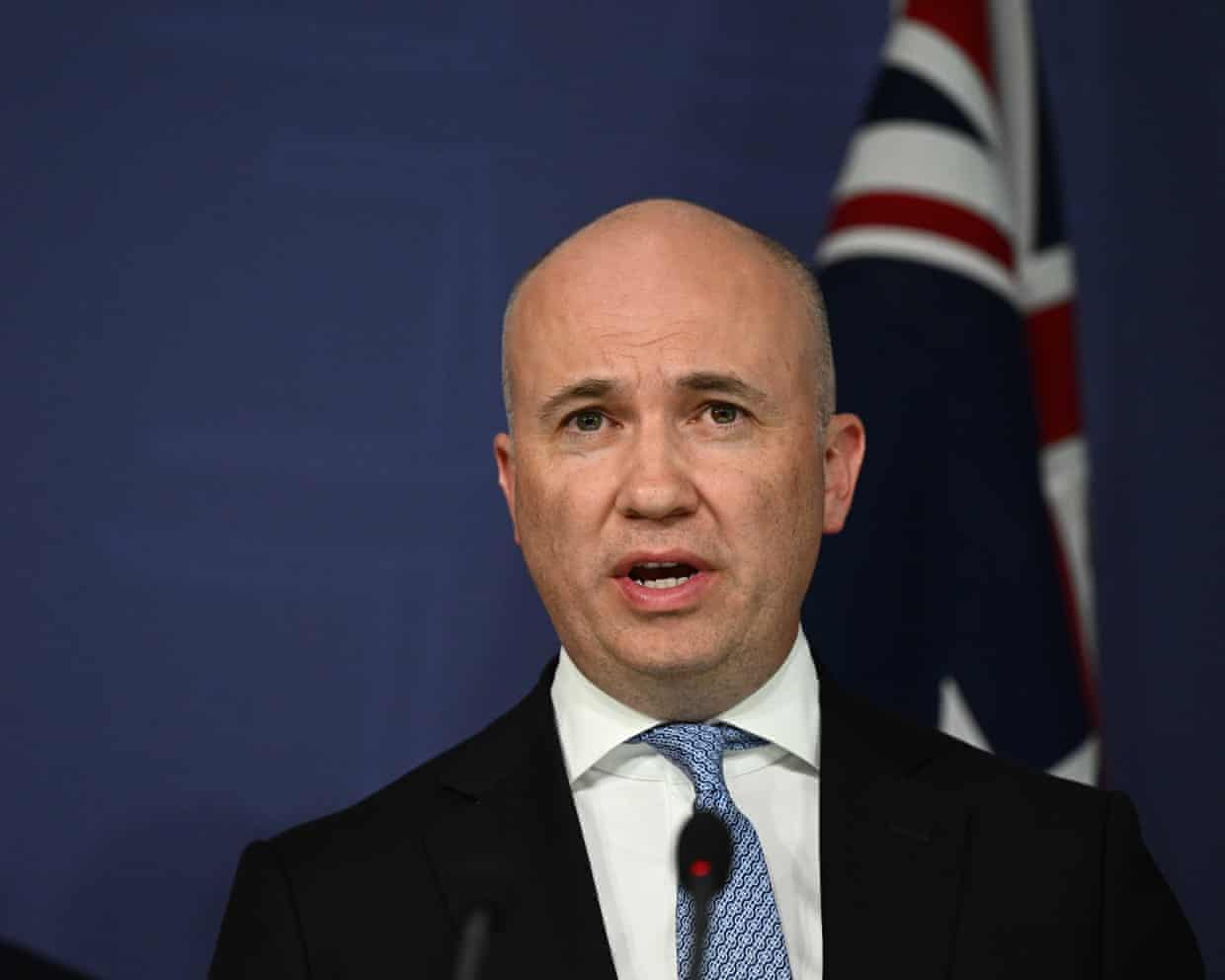
Matt Kean, the former New South Wales Liberal treasurer, has criticized the federal Coalition for prioritizing political maneuvering over genuine action on environmental legislation. His remarks come as the government prepares to introduce a comprehensive 1,400-page bill aimed at overhauling the Environment Protection and Biodiversity Conservation (EPBC) Act on October 26, 2023. Kean’s comments underscore the growing pressure on Sussan Ley, the current shadow environment minister, to negotiate a bipartisan agreement with the Labor party.
The forthcoming legislation is designed to enhance protections for Australia’s natural environment while balancing economic interests. Kean expressed disappointment at the Coalition’s reluctance to collaborate, arguing that the time has come for all parties to find common ground. “With so much riding on it, you’d have to expect those true to their conservation values would find a way forward, and soon,” Kean told Guardian Australia.
As Labor prepares to present the bill, Murray Watt, the environment minister, faces scrutiny from within his party. His former cabinet colleague, Ed Husic, has raised concerns regarding a proposed power enabling the minister to approve projects that contravene environmental laws if deemed in the “national interest.” This controversial clause has sparked debate about the implications for future environmental governance.
Legislative Process and Political Dynamics
Watt plans to advocate for swift passage of the legislation in a speech to the National Press Club, coinciding with the five-year anniversary of the Graeme Samuel review that criticized the existing EPBC Act. “With the hyper-partisan atmosphere of an election campaign behind us, now is the best opportunity to pass a balanced set of laws,” Watt will state. He emphasizes the urgency of the situation, declaring that “it’s now or never.”
The government aims to finalize the bill before Christmas, proposing a 25-day Senate inquiry that would report in time for a vote before Parliament adjourns on November 27, 2023. Yet, both the Coalition and the Greens oppose the bill in its current form, indicating that Labor will need to make concessions to avoid a repeat of last year’s legislative failure.
The opposition has expressed demands for several amendments, including modifications to a new “unacceptable impact” test that would block certain projects, as well as the removal of a requirement for major polluting projects to disclose projected greenhouse gas emissions in their applications. Shadow environment minister Angie Bell stated, “The current draft extracts paint a very grim picture for jobs, investment and productivity in our country.”
Business and Environmental Concerns
The Business Council of Australia has echoed these concerns but is advocating for a compromise that would enable a deal between the Coalition and Labor, potentially sidelining the Greens. Kean, recognized as a prominent advocate for environmental protection within the Liberal party, has urged his colleagues to soften their stance and support the proposed reforms. He highlighted the need for a unified approach to address environmental issues while considering economic impacts.
Labor MPs supportive of environmental measures, such as Jerome Laxale, have cautioned against diluting the bill. “This is a good law for the environment, for business and for the community,” Laxale remarked, stressing the importance of maintaining the integrity of the legislation during the negotiation process.
Further complicating matters, the Greens have insisted that the bill is excessively pro-business and cannot be supported without addressing climate impacts and protecting native forests. Watt has already dismissed the possibility of a “climate trigger” in the legislation, and the bill does not propose the removal of a logging exemption for native forests under the EPBC Act, leaving Labor at an impasse with the Greens.
Concerns about the proposed powers for state governments to assess and approve projects under new national standards have also emerged. The extent of these powers will depend on agreements made with the federal government. Additionally, the introduction of a “national interest” exemption, allowing the minister to approve projects that violate national environmental standards, has raised alarms among environmental advocates.
Husic has voiced his apprehensions regarding how such powers could be used under a future Coalition minister, raising these issues in a recent Labor caucus meeting and during a public appearance on ABC TV. Despite these concerns, Watt has reassured that the power would be utilized “rarely” and not for fossil fuel projects.
As the political landscape shifts, the coming weeks will be crucial in determining the fate of this significant environmental legislation. Both the government and the opposition will need to navigate their positions carefully to ensure that the bill can move forward, balancing the interests of conservation, business, and community needs.

Bitcoin Plummets Below $88K Amid Tether Concerns and Warnings

Designers Unveil 5 Urgent Tricks to Transform Outdoor Eyesores

Shark Teeth Research Reveals Urgent Need to Protect Species

Church Members Unite in Resilience After Thanksgiving Fire

Community Unites to Attempt World Record for Largest Cookie Exchange

Mayor Lurie Appoints Alan Wong to District 4 Seat Amid Controversy

Mayor Appoints Alan Wong as New Supervisor for District 4

UK Report Reveals AI’s Role in Evaluating University Research Quality

Gabriela Jaquez Shines as No. 3 UCLA Dominates No. 14 Tennessee

University of Hawaiʻi Joins $25.6M AI Initiative to Monitor Disasters

Toledo City League Announces Hall of Fame Inductees for 2024

DOJ Seizes $15 Billion in Bitcoin from Major Crypto Fraud Network

Sharp Launches Five New Aquos QLED 4K Ultra HD Smart TVs

Celtics Coach Joe Mazzulla Dominates Local Media in Scrimmage

Mutual Advisors LLC Increases Stake in SPDR Portfolio ETF

Community Unites for 7th Annual Walk to Raise Mental Health Awareness

Western Executives Confront Harsh Realities of China’s Manufacturing Edge

INK Entertainment Launches Exclusive Sofia Pop-Up at Virgin Hotels
-
Science4 weeks ago
University of Hawaiʻi Joins $25.6M AI Initiative to Monitor Disasters
-
 Lifestyle2 months ago
Toledo City League Announces Hall of Fame Inductees for 2024
-
 Business2 months ago
DOJ Seizes $15 Billion in Bitcoin from Major Crypto Fraud Network
-
 Top Stories2 months ago
Sharp Launches Five New Aquos QLED 4K Ultra HD Smart TVs
-
 Sports2 months ago
Celtics Coach Joe Mazzulla Dominates Local Media in Scrimmage
-
 Health2 months ago
Community Unites for 7th Annual Walk to Raise Mental Health Awareness
-
 Politics2 months ago
Mutual Advisors LLC Increases Stake in SPDR Portfolio ETF
-
 Science2 months ago
Western Executives Confront Harsh Realities of China’s Manufacturing Edge
-
 World2 months ago
INK Entertainment Launches Exclusive Sofia Pop-Up at Virgin Hotels
-
 Politics2 months ago
Major Networks Reject Pentagon’s New Reporting Guidelines
-

 Science1 month ago
Astronomers Discover Twin Cosmic Rings Dwarfing Galaxies
-

 Top Stories1 month ago
Randi Mahomes Launches Game Day Clothing Line with Chiefs