
Politics
New Analysis Reveals Australia’s Forest Cover Data Misleading

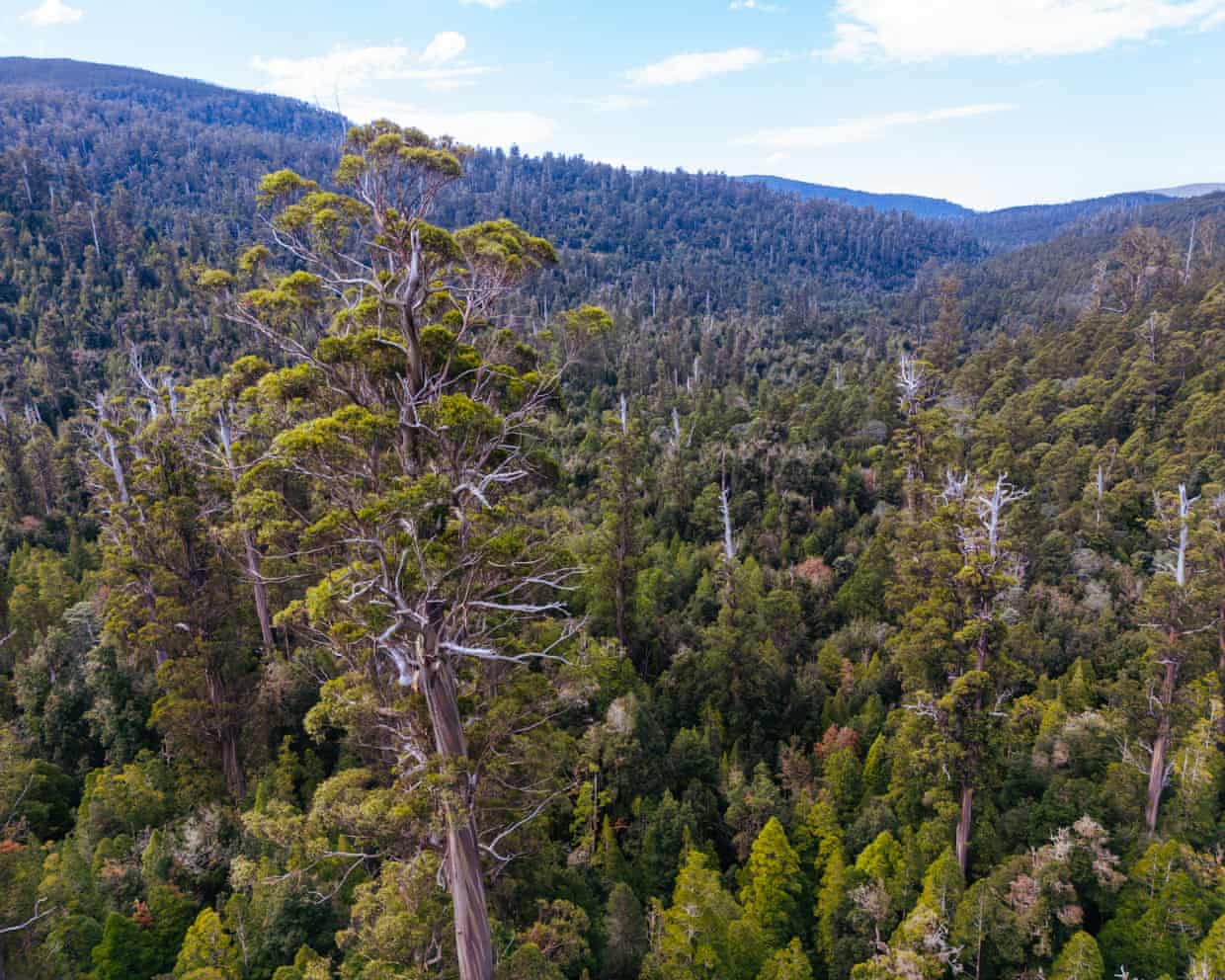
Recent research indicates that Australia’s official statistics on forest cover may mask the true extent of deforestation, raising concerns about the ecological impact and sustainability of the nation’s forests. While official reports suggest that Australia’s forest area has been increasing since 2008, a new analysis asserts that this positive portrayal does not accurately reflect the reality on the ground.
The study, led by researchers from Griffith University, critiques the methodology used by the Australian government to report forest cover. According to the report, forest cover is calculated as a net figure, where losses from deforestation are offset by gains from new forest growth. This approach has drawn criticism for failing to account for the ecological differences between established forests and newly planted areas.
Professor Brendan Mackey, a co-author of the study, described this method as “an accounting sleight of hand.” He emphasized the need for a gross measurement of forest losses and gains, along with improved data collection on both deforestation and regeneration. This is crucial for assessing Australia’s compliance with international climate obligations and protecting biodiversity.
Australia signed the Glasgow Leaders’ Declaration in 2021, committing to reverse forest loss and land degradation. Yet, the latest state of the forests report from the federal government, published in 2023, claims that “Australia’s total forest area increased by 0.75 million ha” from 2016 to 2021. The new analysis questions the validity of these figures, suggesting that the datasets used may exaggerate the reported increases in forest area.
The Australian Conservation Foundation (ACF), which commissioned the research, found that most deforestation is occurring in biodiverse forests, while the areas seeing regrowth are often in drier regions with limited vegetation. This disparity raises concerns, as the carbon absorption capacity of new forests typically falls short of that of older, established forests.
The report estimates that land clearing in productive regions can release up to 120 times more greenhouse gas emissions per hectare than can be absorbed by the thickening of vegetation in less productive areas. This discrepancy suggests that the apparent net increase in forest cover may be concealing significant biodiversity losses and greater greenhouse gas emissions than previously acknowledged.
ACF’s Nathaniel Pelle highlighted Australia’s unique position among wealthy nations regarding deforestation. “No other rich countries in the world destroy forests like Australia does,” he stated. Speaking from the Cop30 climate summit in Brazil, Pelle expressed disappointment at Australia’s lack of substantial action on deforestation, especially as the country considers hosting future climate conferences.
The long-held argument that as long as forests are regrowing, it compensates for those being destroyed, is increasingly challenged. Pelle pointed out the need to protect high-carbon-stock forests to prevent extinctions and achieve net-zero emissions. He emphasized the importance of continuing Brazil’s progress in reducing deforestation, which has seen a significant decline since Luiz Inácio Lula da Silva resumed the presidency.
The federal Department of Agriculture, Fisheries and Forestry has yet to respond to requests for comment regarding these findings. As the debate over deforestation continues, the call for a more transparent and accurate representation of forest data in Australia becomes increasingly urgent.

Designers Unveil 5 Urgent Tricks to Transform Outdoor Eyesores

Shark Teeth Research Reveals Urgent Need to Protect Species

Church Members Unite in Resilience After Thanksgiving Fire

Community Unites to Attempt World Record for Largest Cookie Exchange

Mayor Lurie Appoints Alan Wong to District 4 Seat Amid Controversy

Mayor Appoints Alan Wong as New Supervisor for District 4

UK Report Reveals AI’s Role in Evaluating University Research Quality

Gabriela Jaquez Shines as No. 3 UCLA Dominates No. 14 Tennessee

Trump Promises to Release MRI Results Despite Uncertainty on Scan

University of Hawaiʻi Joins $25.6M AI Initiative to Monitor Disasters

Toledo City League Announces Hall of Fame Inductees for 2024

DOJ Seizes $15 Billion in Bitcoin from Major Crypto Fraud Network

Sharp Launches Five New Aquos QLED 4K Ultra HD Smart TVs

Celtics Coach Joe Mazzulla Dominates Local Media in Scrimmage

Community Unites for 7th Annual Walk to Raise Mental Health Awareness

Mutual Advisors LLC Increases Stake in SPDR Portfolio ETF

Western Executives Confront Harsh Realities of China’s Manufacturing Edge

INK Entertainment Launches Exclusive Sofia Pop-Up at Virgin Hotels
-
Science4 weeks ago
University of Hawaiʻi Joins $25.6M AI Initiative to Monitor Disasters
-
 Lifestyle2 months ago
Toledo City League Announces Hall of Fame Inductees for 2024
-
 Business2 months ago
DOJ Seizes $15 Billion in Bitcoin from Major Crypto Fraud Network
-
 Top Stories2 months ago
Sharp Launches Five New Aquos QLED 4K Ultra HD Smart TVs
-
 Sports2 months ago
Celtics Coach Joe Mazzulla Dominates Local Media in Scrimmage
-
 Health2 months ago
Community Unites for 7th Annual Walk to Raise Mental Health Awareness
-
 Politics2 months ago
Mutual Advisors LLC Increases Stake in SPDR Portfolio ETF
-
 Science2 months ago
Western Executives Confront Harsh Realities of China’s Manufacturing Edge
-
 World2 months ago
INK Entertainment Launches Exclusive Sofia Pop-Up at Virgin Hotels
-

 Politics2 months ago
Major Networks Reject Pentagon’s New Reporting Guidelines
-

 Science1 month ago
Astronomers Discover Twin Cosmic Rings Dwarfing Galaxies
-

 Top Stories1 month ago
Randi Mahomes Launches Game Day Clothing Line with Chiefs