
Politics
NYC Mayoral Candidates Must Prioritize Education in Debate

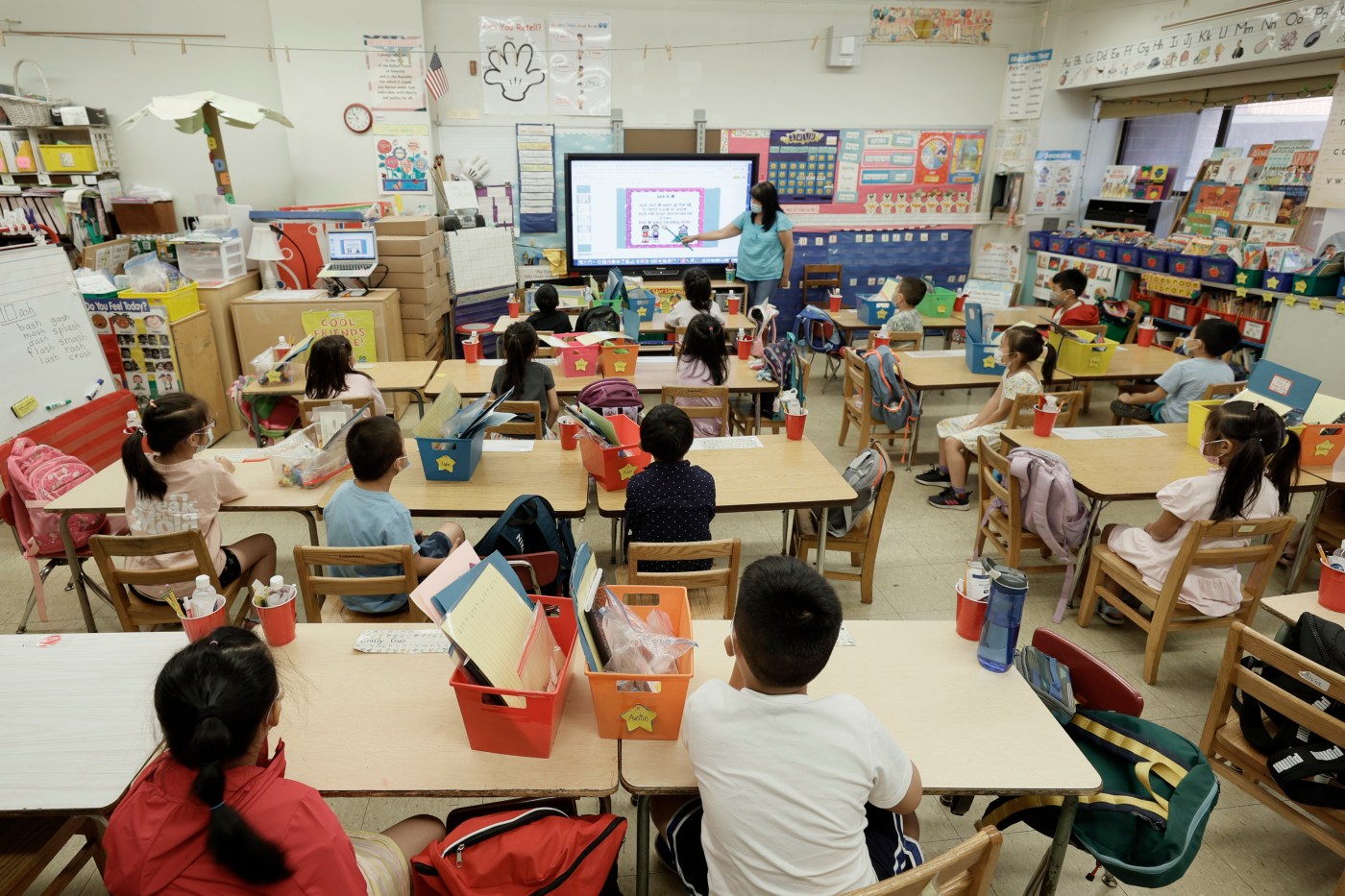
The upcoming mayoral debate in New York City is set to highlight pressing issues surrounding education, a critical factor often overshadowed by discussions of affordability. With nearly one million students in public schools poised to enter a rapidly evolving workforce, candidates must articulate clear plans for preparing these students for future challenges.
Education plays a vital role in shaping a city’s workforce, neighborhood stability, and overall civic health. As New York grapples with a changing economy, the need for a robust educational framework becomes increasingly urgent. The city’s job growth has stagnated, marking the slowest positive growth in the first seven months of any year since 1995, according to the Office of Management and Budget. Simultaneously, industries are being transformed by artificial intelligence, impacting various sectors, including logistics, healthcare, finance, and creative industries.
Recent data from the New York Federal Reserve reveals that new graduates are facing one of the most challenging job markets since 2015, with unemployment rates at 5.3% compared to 4% citywide. The future of New York hinges on graduates who are equipped with the skills to navigate these new job landscapes. Public schools have recognized this necessity, implementing career pathways that encourage work-based learning in high-demand fields.
At Teachers College, Columbia University, students gain practical experience in pre-K to 12 classrooms, fostering the skills essential for future leaders. Yet, while mayoral candidates propose various educational initiatives—ranging from early childhood programs to vocational training—voters remain uncertain about how these ideas will translate into concrete pathways from classroom to career.
Many schools are still grappling with the aftermath of pandemic-induced learning losses and chronic absenteeism. A lack of resources, including shortages of counselors, bilingual educators, and special education staff, hampers students’ ability to thrive. Additionally, many facilities remain outdated, with insufficient access to technology.
Candidates differ in their approaches to educational governance. Andrew Cuomo advocates for continued mayoral control of schools, while Curtis Sliwa calls for new oversight, and Zohran Mamdani proposes decentralizing authority. However, the primary concern for families should not be the governance structure itself but the outcomes it produces.
New Yorkers deserve to hear from each candidate about how their governance models will ensure that resources and reforms effectively reach classrooms. Without significant investment in teachers and staff, no policy change will yield the desired results. At Teachers College, the next generation of educators, counselors, psychologists, and nutritionists is being trained to support modern learning needs. Yet, their effectiveness is contingent upon the support they receive upon entering the workforce.
Educators face the challenge of integrating AI into their teaching, addressing increasing mental health needs, and serving multilingual classrooms—all while navigating staff shortages. While every candidate has acknowledged the importance of educators, a concrete vision for recruitment, preparation, and retention remains absent.
This debate about education intersects with broader discussions on the economy, school governance, and teacher support. Education is not merely a policy area; it is the bedrock of public well-being and a crucial determinant of New York’s success. The decisions made by the next mayor regarding schools will significantly influence the city’s economic competitiveness, neighborhood livability, and children’s preparedness for future challenges.
As the debate unfolds, New Yorkers should demand clear answers on how classrooms will connect to careers, how schools will secure necessary resources, and how educators will receive the support they need. These questions are fundamental to effective leadership. Education stands as the bridge to opportunity and progress, laying the groundwork for shared prosperity. Keeping education at the forefront will ensure that New York remains a place where every child has the opportunity to learn, grow, and thrive.

Designers Unveil 5 Urgent Tricks to Transform Outdoor Eyesores

Shark Teeth Research Reveals Urgent Need to Protect Species

Church Members Unite in Resilience After Thanksgiving Fire

Community Unites to Attempt World Record for Largest Cookie Exchange

Mayor Lurie Appoints Alan Wong to District 4 Seat Amid Controversy

Mayor Appoints Alan Wong as New Supervisor for District 4

UK Report Reveals AI’s Role in Evaluating University Research Quality

Gabriela Jaquez Shines as No. 3 UCLA Dominates No. 14 Tennessee

Trump Promises to Release MRI Results Despite Uncertainty on Scan

University of Hawaiʻi Joins $25.6M AI Initiative to Monitor Disasters

Toledo City League Announces Hall of Fame Inductees for 2024

DOJ Seizes $15 Billion in Bitcoin from Major Crypto Fraud Network

Sharp Launches Five New Aquos QLED 4K Ultra HD Smart TVs

Celtics Coach Joe Mazzulla Dominates Local Media in Scrimmage

Community Unites for 7th Annual Walk to Raise Mental Health Awareness

Mutual Advisors LLC Increases Stake in SPDR Portfolio ETF

Western Executives Confront Harsh Realities of China’s Manufacturing Edge

INK Entertainment Launches Exclusive Sofia Pop-Up at Virgin Hotels
-
Science4 weeks ago
University of Hawaiʻi Joins $25.6M AI Initiative to Monitor Disasters
-
 Lifestyle2 months ago
Toledo City League Announces Hall of Fame Inductees for 2024
-
 Business2 months ago
DOJ Seizes $15 Billion in Bitcoin from Major Crypto Fraud Network
-
 Top Stories2 months ago
Sharp Launches Five New Aquos QLED 4K Ultra HD Smart TVs
-
 Sports2 months ago
Celtics Coach Joe Mazzulla Dominates Local Media in Scrimmage
-
 Health2 months ago
Community Unites for 7th Annual Walk to Raise Mental Health Awareness
-
 Politics2 months ago
Mutual Advisors LLC Increases Stake in SPDR Portfolio ETF
-
 Science2 months ago
Western Executives Confront Harsh Realities of China’s Manufacturing Edge
-
 World2 months ago
INK Entertainment Launches Exclusive Sofia Pop-Up at Virgin Hotels
-

 Politics2 months ago
Major Networks Reject Pentagon’s New Reporting Guidelines
-

 Science1 month ago
Astronomers Discover Twin Cosmic Rings Dwarfing Galaxies
-

 Top Stories1 month ago
Randi Mahomes Launches Game Day Clothing Line with Chiefs