
Politics
“Oxford Names ‘Rage Bait’ Word of the Year, Sparking Discussion”

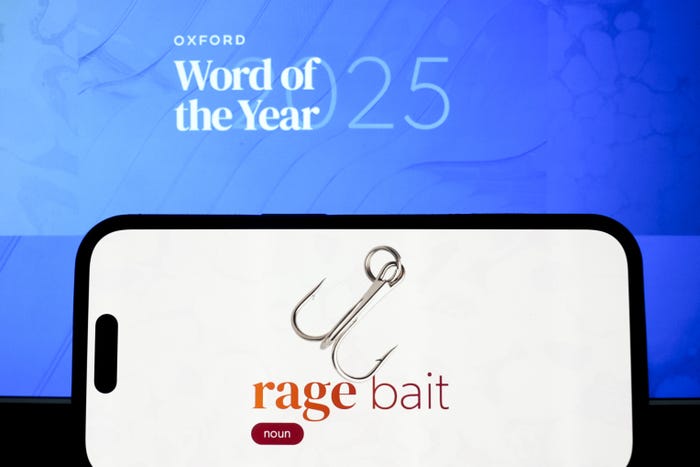
The term “rage bait” has been officially named the Oxford Word of the Year for 2025, marking a significant moment in the ongoing evolution of online communication. The phrase narrowly outpaced contenders such as “aura farming” and “biohack,” drawing attention to a phenomenon characterized by content designed to provoke anger and engagement for personal gain.
Understanding Rage Baiting
Rage baiting involves intentionally posting inflammatory content to elicit strong reactions, often with the aim of increasing visibility and interaction on social media platforms. This tactic has gained traction in recent years, particularly on apps like TikTok and Threads, where the algorithms favor posts that generate substantial engagement.
According to Oxford University Press, the selection of “rage bait” reflects a broader societal concern about the impact of provocative online behavior. The previous year’s choice, “brain rot,” underscores a growing awareness of how digital interactions can affect mental health and public discourse.
As the term becomes more mainstream, some observers suggest it may signal the peak of its effectiveness. The concern is that as awareness of rage baiting increases, its power to incite reactions may diminish. If audiences become attuned to the tactic, they may begin to ignore those who rely on it for engagement.
The Shift Towards Earnest Posting
In light of these developments, some social media users are calling for a pivot towards more sincere and thoughtful content. This shift, termed “earnest posting,” encourages individuals to share positive messages and genuine interactions online. Advocates argue that fostering kindness and gratitude can create a healthier digital environment.
Notably, a trend towards earnest posting could serve as a counterbalance to the negativity associated with rage baiting. As users become more discerning about the content they engage with, the potential for a cultural shift in online communication grows stronger.
Despite the rise of rage baiting, the allure of online fame and financial gain continues to attract users to the strategy. For instance, some TikTok creators have successfully built substantial followings by utilizing rage bait techniques, leading to lucrative partnerships and sponsorships.
However, the sustainability of this approach is increasingly called into question. As the landscape of social media evolves, the emphasis on authenticity and meaningful engagement may reshape how users interact with one another. The future of online communication could hinge on a collective move away from sensationalism and towards genuine connection.
In conclusion, the recognition of “rage bait” as the Word of the Year brings to the forefront important discussions about the nature of online engagement. As the digital space becomes more crowded with attention-seeking tactics, the emerging preference for earnest content may redefine what it means to connect in the virtual world.

Spokane County Increases Waste Management Fees Starting January 2026

Pure Storage Set for Q3 Earnings Release; Wall Street Updates Forecasts

Bryan Johnson’s Psychedelic Journey: A Live Exploration of Longevity

Urgent: 5-Alarming Fire in Queens Injures Firefighter, Displaces 16

States Reject Coverage for Ozempic, Ignoring Health Benefits

Travel Tuesday 2025: Unbeatable Deals on Flights and Cruises

“Oxford Names ‘Rage Bait’ Word of the Year, Sparking Discussion”

Southern-Style Biscuits: Master the Fluffy Recipe Now!

Connecticut Braces for First Snowfall: Urgent Safety Tips for Drivers

University of Hawaiʻi Joins $25.6M AI Initiative to Monitor Disasters

Toledo City League Announces Hall of Fame Inductees for 2024

DOJ Seizes $15 Billion in Bitcoin from Major Crypto Fraud Network

Sharp Launches Five New Aquos QLED 4K Ultra HD Smart TVs

Celtics Coach Joe Mazzulla Dominates Local Media in Scrimmage

Community Unites for 7th Annual Walk to Raise Mental Health Awareness

Mutual Advisors LLC Increases Stake in SPDR Portfolio ETF

Western Executives Confront Harsh Realities of China’s Manufacturing Edge

INK Entertainment Launches Exclusive Sofia Pop-Up at Virgin Hotels
-
Science4 weeks ago
University of Hawaiʻi Joins $25.6M AI Initiative to Monitor Disasters
-
 Lifestyle2 months ago
Toledo City League Announces Hall of Fame Inductees for 2024
-
 Business2 months ago
DOJ Seizes $15 Billion in Bitcoin from Major Crypto Fraud Network
-
 Top Stories2 months ago
Sharp Launches Five New Aquos QLED 4K Ultra HD Smart TVs
-
 Sports2 months ago
Celtics Coach Joe Mazzulla Dominates Local Media in Scrimmage
-
 Health2 months ago
Community Unites for 7th Annual Walk to Raise Mental Health Awareness
-
 Politics2 months ago
Mutual Advisors LLC Increases Stake in SPDR Portfolio ETF
-
 Science2 months ago
Western Executives Confront Harsh Realities of China’s Manufacturing Edge
-
 World2 months ago
INK Entertainment Launches Exclusive Sofia Pop-Up at Virgin Hotels
-

 Politics2 months ago
Major Networks Reject Pentagon’s New Reporting Guidelines
-

 Science1 month ago
Astronomers Discover Twin Cosmic Rings Dwarfing Galaxies
-

 Top Stories1 month ago
Randi Mahomes Launches Game Day Clothing Line with Chiefs