
Politics
Pakistan and Afghanistan Set for Talks in Qatar After Deadly Strikes

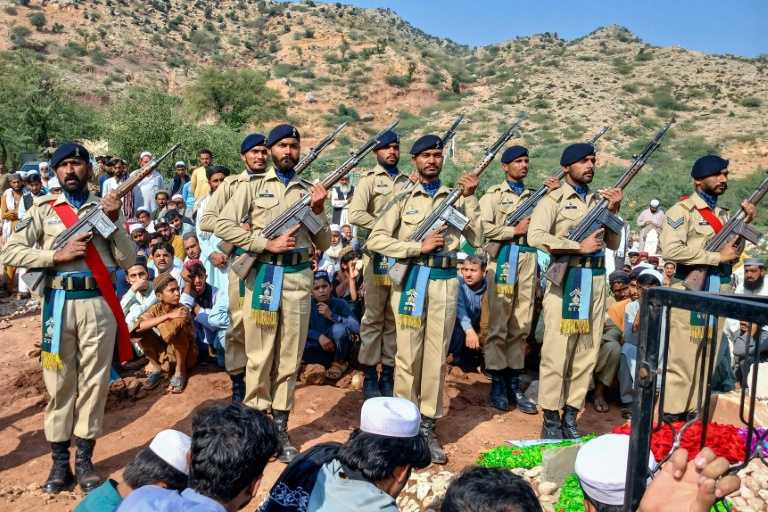
Officials from Pakistan are scheduled to meet with their Afghan counterparts in Doha on March 16, 2024, following a series of air strikes by Islamabad that reportedly killed at least 10 people. The meetings come just a day after the Pakistani military broke a fragile ceasefire that had lasted for two days along the Afghan-Pakistani border.
Pakistan’s Defence Minister Khawaja Asif and intelligence chief General Asim Malik are leading the delegation to Qatar. A spokesman for the Taliban government, Zabihullah Mujahid, confirmed that a high-level delegation from the Islamic Emirate, led by Afghan Defence Minister Mohammed Yaqub, is also en route to Doha for discussions.
The recent ceasefire, which had paused a week of intense border clashes, was shattered when Afghanistan accused Pakistan of conducting air strikes in Paktika province. According to a senior Taliban official, these strikes killed civilians and wounded others, including children. A provincial hospital official reported that among the dead were three players from the Afghanistan Cricket Board who were participating in a domestic tournament. The board has since decided to withdraw from the upcoming Tri-Nation T20I Series scheduled for next month with Pakistan.
In response to the strikes, a senior Pakistani security official stated that the military had carried out “precision aerial strikes” targeting the Hafiz Gul Bahadur Group, a faction linked to the Tehreek-e-Taliban Pakistan (TTP). Islamabad claims this group was involved in a recent suicide bombing and gun attack on a military camp in North Waziristan, which resulted in the deaths of seven Pakistani paramilitary troops.
The ongoing violence is rooted in deep-seated security concerns, with Pakistan accusing Afghanistan of providing sanctuary to TTP militants, a claim that the Afghan government denies. The recent escalation in hostilities followed explosions in Kabul coinciding with the Taliban’s foreign minister’s visit to India, Pakistan’s long-standing rival.
The initial ceasefire, which commenced at 1300 GMT on March 13, was intended to last 48 hours, but Afghanistan indicated it would remain in effect until Pakistan acted against it. Following the breach, Defence Minister Asif suggested that future communications would no longer be framed as peace appeals and stated that any source of terrorism would face consequences.
In an interview, Zabihullah Mujahid conveyed that Taliban forces had been instructed to refrain from initiating attacks unless provoked by Pakistani forces. He emphasized the right to defend the nation if attacked.
As both nations prepare for talks in Qatar, the situation remains tense, with the potential for further conflict looming over the fragile ceasefire.

Shark Teeth Research Reveals Urgent Need to Protect Species

Church Members Unite in Resilience After Thanksgiving Fire

Community Unites to Attempt World Record for Largest Cookie Exchange

Mayor Lurie Appoints Alan Wong to District 4 Seat Amid Controversy

Mayor Appoints Alan Wong as New Supervisor for District 4

UK Report Reveals AI’s Role in Evaluating University Research Quality

Gabriela Jaquez Shines as No. 3 UCLA Dominates No. 14 Tennessee

Trump Promises to Release MRI Results Despite Uncertainty on Scan

Japan’s Q3 Capital Expenditure Slows Despite Surge in Profits

University of Hawaiʻi Joins $25.6M AI Initiative to Monitor Disasters

Toledo City League Announces Hall of Fame Inductees for 2024

DOJ Seizes $15 Billion in Bitcoin from Major Crypto Fraud Network

Sharp Launches Five New Aquos QLED 4K Ultra HD Smart TVs

Celtics Coach Joe Mazzulla Dominates Local Media in Scrimmage

Mutual Advisors LLC Increases Stake in SPDR Portfolio ETF

Community Unites for 7th Annual Walk to Raise Mental Health Awareness

Western Executives Confront Harsh Realities of China’s Manufacturing Edge

INK Entertainment Launches Exclusive Sofia Pop-Up at Virgin Hotels
-
Science4 weeks ago
University of Hawaiʻi Joins $25.6M AI Initiative to Monitor Disasters
-
 Lifestyle2 months ago
Toledo City League Announces Hall of Fame Inductees for 2024
-
 Business2 months ago
DOJ Seizes $15 Billion in Bitcoin from Major Crypto Fraud Network
-
 Top Stories2 months ago
Sharp Launches Five New Aquos QLED 4K Ultra HD Smart TVs
-
 Sports2 months ago
Celtics Coach Joe Mazzulla Dominates Local Media in Scrimmage
-
 Politics2 months ago
Mutual Advisors LLC Increases Stake in SPDR Portfolio ETF
-
 Health2 months ago
Community Unites for 7th Annual Walk to Raise Mental Health Awareness
-
 Science2 months ago
Western Executives Confront Harsh Realities of China’s Manufacturing Edge
-
 World2 months ago
INK Entertainment Launches Exclusive Sofia Pop-Up at Virgin Hotels
-

 Politics2 months ago
Major Networks Reject Pentagon’s New Reporting Guidelines
-

 Science1 month ago
Astronomers Discover Twin Cosmic Rings Dwarfing Galaxies
-

 Top Stories1 month ago
Randi Mahomes Launches Game Day Clothing Line with Chiefs