
Science
Adventurers Seek Meaning in Danger: New Study Explores Motivations

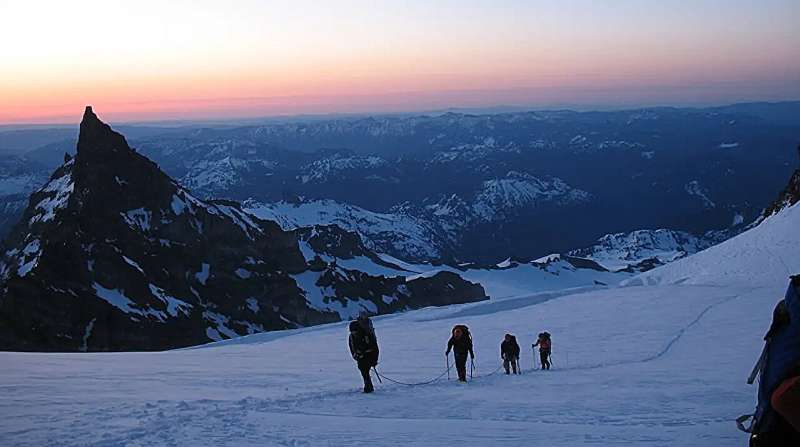
Climbing mountains and navigating perilous terrains can pose significant risks, yet many individuals are drawn to such activities for deeper reasons. Research conducted by Christopher Newman, a professor at the University of Mississippi, sheds light on this phenomenon, suggesting that the pursuit of adventure is tied to profound psychological motivations.
In collaboration with colleagues from the University of Arkansas and the University of San Diego, Newman undertook a study published in the journal Psychology & Marketing. The research investigates why consumers engage in high-risk activities, revealing that such experiences serve as avenues for personal growth, identity transformation, and connection to mortality.
The inspiration for this study arose from Newman’s own experience climbing Mount Rainier in Washington, which stands at 14,441 feet and is renowned for its challenges. During a five-day ascent, he witnessed firsthand the dangers posed by harsh weather conditions and the physical demands of the climb. Newman noted, “About one in four climbers in our expedition never made it to the summit due to various reasons ranging from serious injuries to lack of conditioning.”
To gain deeper insights, Newman and his team conducted in-depth interviews with several climbers who participated in the expedition. They aimed to explore motivations that extend beyond adrenaline and thrill. According to Steven W. Kopp, a collaborator on the project, the study transcends traditional consumer research, which often relies on quantitative analysis. “We needed to have the narratives and descriptions from the participants,” Kopp stated.
The findings suggest that participants are not merely seeking danger; rather, they find satisfaction in the preparation, teamwork, and skills required to navigate those risks. “Experiences that challenge your mortality can offer intangible benefits that other, less risky experiences simply cannot,” Newman explained. This notion aligns with the principles of terror management theory, which posits that individuals engage in high-adventure activities to construct identity and seek fulfillment in the face of mortality.
Newman’s research highlights that extreme adventurers often derive pride from their ability to mitigate danger through preparation and skillful execution. The climbers reported experiencing a heightened sense of identity and community, reinforcing their commitment to values and behaviors shared among those who face similar risks.
The study’s implications extend beyond mountaineering and could inform how adventure tourism is marketed. Ken Cyree, dean of the School of Business Administration at the University of Mississippi, noted the potential for outfitting and tour operators to better understand their clientele. “Dr. Newman and his co-authors have shown how mountaineering creates satisfaction and how to create value in a specialized market for adventure tourists,” Cyree said.
Kopp emphasized that the preparation involved in such high-risk pursuits is intrinsically linked to consumer satisfaction. “Managers should recognize that consumers derive satisfaction from the preparation processes that precede the ‘event’,” he stated. This includes everything from physical training to financial planning.
The study ultimately reveals that while some individuals may seek out danger, the true rewards lie in the challenges met through preparation and the bonds formed with fellow adventurers. As Newman concluded, this awareness of mortality can inspire people to foster meaningful relationships and strive to make a lasting, positive impact in their lives.
The research contributes to a growing understanding of how psychological factors influence consumer behavior and has the potential to alter perceptions of adventure tourism, encouraging a more nuanced view of those who seek out high-risk experiences.

Bitcoin Plummets Below $88K Amid Tether Concerns and Warnings

Designers Unveil 5 Urgent Tricks to Transform Outdoor Eyesores

Shark Teeth Research Reveals Urgent Need to Protect Species

Church Members Unite in Resilience After Thanksgiving Fire

Community Unites to Attempt World Record for Largest Cookie Exchange

Mayor Lurie Appoints Alan Wong to District 4 Seat Amid Controversy

Mayor Appoints Alan Wong as New Supervisor for District 4

UK Report Reveals AI’s Role in Evaluating University Research Quality

Gabriela Jaquez Shines as No. 3 UCLA Dominates No. 14 Tennessee

University of Hawaiʻi Joins $25.6M AI Initiative to Monitor Disasters

Toledo City League Announces Hall of Fame Inductees for 2024

DOJ Seizes $15 Billion in Bitcoin from Major Crypto Fraud Network

Sharp Launches Five New Aquos QLED 4K Ultra HD Smart TVs

Celtics Coach Joe Mazzulla Dominates Local Media in Scrimmage

Mutual Advisors LLC Increases Stake in SPDR Portfolio ETF

Community Unites for 7th Annual Walk to Raise Mental Health Awareness

Western Executives Confront Harsh Realities of China’s Manufacturing Edge

INK Entertainment Launches Exclusive Sofia Pop-Up at Virgin Hotels
-
Science4 weeks ago
University of Hawaiʻi Joins $25.6M AI Initiative to Monitor Disasters
-
 Lifestyle2 months ago
Toledo City League Announces Hall of Fame Inductees for 2024
-
 Business2 months ago
DOJ Seizes $15 Billion in Bitcoin from Major Crypto Fraud Network
-
 Top Stories2 months ago
Sharp Launches Five New Aquos QLED 4K Ultra HD Smart TVs
-
 Sports2 months ago
Celtics Coach Joe Mazzulla Dominates Local Media in Scrimmage
-
 Politics2 months ago
Mutual Advisors LLC Increases Stake in SPDR Portfolio ETF
-
 Health2 months ago
Community Unites for 7th Annual Walk to Raise Mental Health Awareness
-
 Science2 months ago
Western Executives Confront Harsh Realities of China’s Manufacturing Edge
-
 World2 months ago
INK Entertainment Launches Exclusive Sofia Pop-Up at Virgin Hotels
-

 Politics2 months ago
Major Networks Reject Pentagon’s New Reporting Guidelines
-

 Science1 month ago
Astronomers Discover Twin Cosmic Rings Dwarfing Galaxies
-

 Top Stories1 month ago
Randi Mahomes Launches Game Day Clothing Line with Chiefs