
Science
Astronomers Assess First-Ever Planetary Defense Test with 2024 YR4

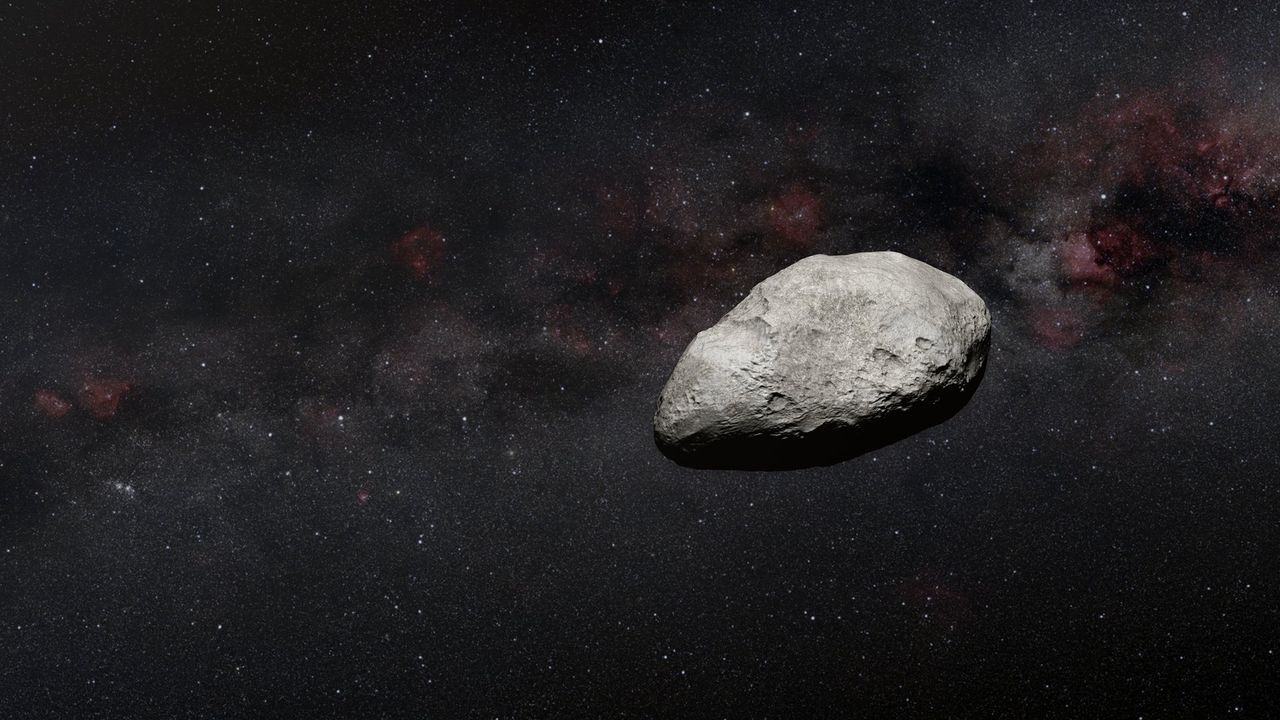
A recent study by researchers from the European Space Agency (ESA) has evaluated the response to asteroid 2024 YR4, marking a significant moment in planetary defense history. Discovered on December 27, 2024, this asteroid prompted an unprecedented test of early warning systems designed to detect and respond to potential impacts with Earth.
The research paper, authored by Maxime Devogèle and colleagues, details the discovery, classification, and subsequent escalation of the threat posed by 2024 YR4. The asteroid was first noted by the ATLAS survey, with its potential for a collision increasing over the following month. Unlike most newly discovered asteroids, which typically have a very low chance of impacting Earth, the projected impact risk for 2024 YR4 rose to a concerning level.
Understanding the Torino Scale
A crucial aspect of the study focuses on the Torino scale, a tool developed in 1995 to categorize the potential threat of asteroids. The scale ranges from 0 to 10, assessing both the probability of impact and the severity of potential damage. Asteroid 2024 YR4 was initially classified at a Scale 1 designation but was upgraded to Scale 3 by January 27, 2025. This classification indicated a greater than 1% chance of Earth impact, a significant concern for scientists and policymakers alike.
Historically, the highest rating on the Torino scale was assigned to asteroid Apophis, which reached level 4 in 2004. However, 2024 YR4 made a unique mark as the first asteroid to attain a Scale 3 rating, leading to the first official notification issued by the International Asteroid Warning Network, established in 2014.
As the situation developed, the attention garnered by 2024 YR4 prompted astronomers to mobilize additional resources. Observations from major telescopes, including the Catalina Sky Survey, Gran Telescopio Canarias, and the Very Large Telescope, revealed critical features of the asteroid, reducing concerns about a potential collision with Earth while increasing worries about its trajectory towards the Moon.
Observations and Current Threat Levels
By early March 2025, detailed observations indicated that 2024 YR4 spins much faster than average asteroids, with a rotation period of just 19.5 minutes. It was classified as either a Sq-type or K-type asteroid, reflecting ongoing debates about its physical characteristics.
While the immediate threat of an Earth impact has diminished, the chance of 2024 YR4 hitting the Moon in 2032 has risen to approximately 4%. Such an event could create debris that endangers satellites orbiting Earth, underscoring the importance of continued monitoring and preparedness.
The lessons learned from the 2024 YR4 incident demonstrate the effectiveness of international cooperation in planetary defense. As the scientific community works to refine detection and response protocols, the experience gained from this asteroid will be invaluable for future threats.
In conclusion, while the potential for catastrophic asteroid impacts has not yet materialized, the proactive measures taken in response to asteroid 2024 YR4 highlight the importance of vigilance and preparedness in safeguarding humanity against cosmic threats. The success of this first real-life test sets a precedent for how international collaboration can effectively address challenges posed by near-Earth objects.

Urgent Warning: Jim Chanos Sounds Alarm on Nvidia’s Debt Risks

Sister Offers to Buy Brother’s Home Amid Financial Crisis

Police Arrest 67-Year-Old Santa for Alleged Child Abuse in Brazil

Urgent: Apple TV’s Cyber Monday Deal Slashes Prices Over 50%!

Astronomers Assess First-Ever Planetary Defense Test with 2024 YR4

Siblings Shine in Macy’s Thanksgiving Day Parade in NYC

U.S.-Wanted Fentanyl Kingpin Killed in Mexican Military Operation

Investors Urged to Rethink Bond Strategies in Changing Market

‘Zootopia 2’ Dominates Thanksgiving Weekend Box Office

University of Hawaiʻi Joins $25.6M AI Initiative to Monitor Disasters

Toledo City League Announces Hall of Fame Inductees for 2024

DOJ Seizes $15 Billion in Bitcoin from Major Crypto Fraud Network

Sharp Launches Five New Aquos QLED 4K Ultra HD Smart TVs

Celtics Coach Joe Mazzulla Dominates Local Media in Scrimmage

Mutual Advisors LLC Increases Stake in SPDR Portfolio ETF

Community Unites for 7th Annual Walk to Raise Mental Health Awareness

Western Executives Confront Harsh Realities of China’s Manufacturing Edge

INK Entertainment Launches Exclusive Sofia Pop-Up at Virgin Hotels
-
Science4 weeks ago
University of Hawaiʻi Joins $25.6M AI Initiative to Monitor Disasters
-
 Lifestyle2 months ago
Toledo City League Announces Hall of Fame Inductees for 2024
-
 Business2 months ago
DOJ Seizes $15 Billion in Bitcoin from Major Crypto Fraud Network
-
 Top Stories2 months ago
Sharp Launches Five New Aquos QLED 4K Ultra HD Smart TVs
-
 Sports2 months ago
Celtics Coach Joe Mazzulla Dominates Local Media in Scrimmage
-
 Politics2 months ago
Mutual Advisors LLC Increases Stake in SPDR Portfolio ETF
-
 Health2 months ago
Community Unites for 7th Annual Walk to Raise Mental Health Awareness
-
 Science2 months ago
Western Executives Confront Harsh Realities of China’s Manufacturing Edge
-
 World2 months ago
INK Entertainment Launches Exclusive Sofia Pop-Up at Virgin Hotels
-

 Politics2 months ago
Major Networks Reject Pentagon’s New Reporting Guidelines
-

 Science1 month ago
Astronomers Discover Twin Cosmic Rings Dwarfing Galaxies
-

 Top Stories1 month ago
Randi Mahomes Launches Game Day Clothing Line with Chiefs