
Science
Biomedical Students Innovate Insulin Pump Software for Diabetes Care

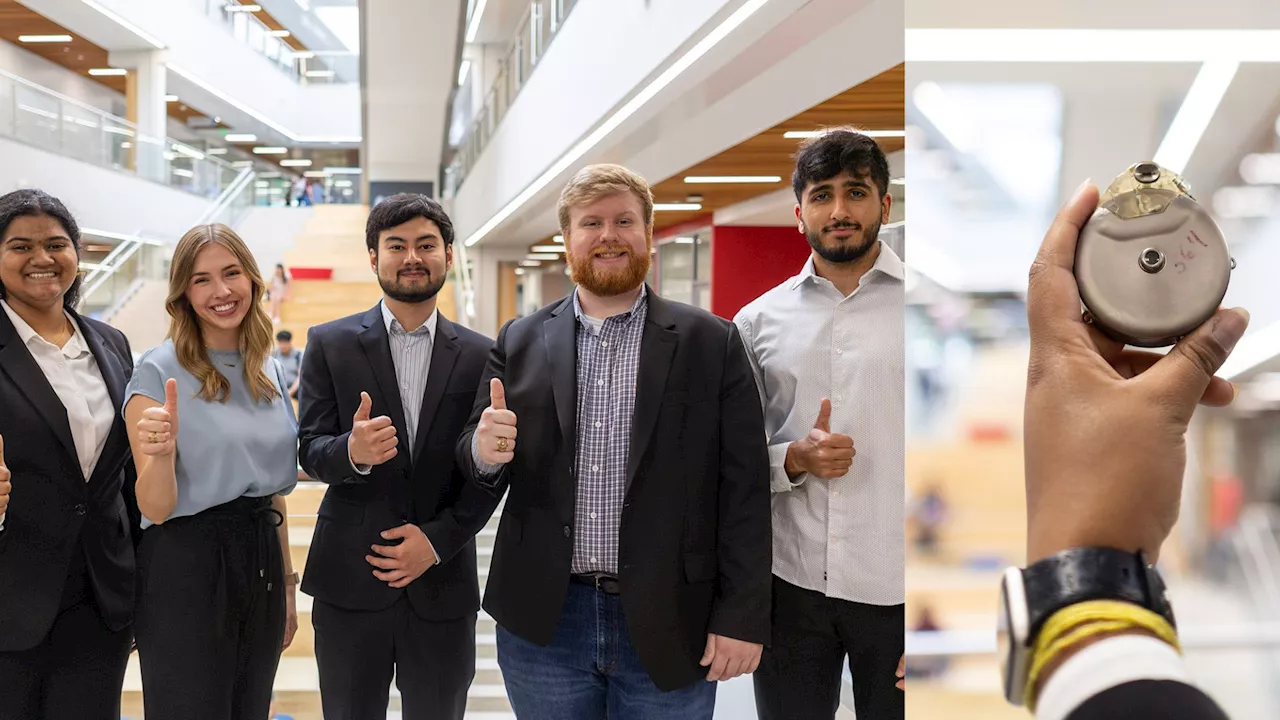
Biomedical engineering students at Texas A&M University have developed a groundbreaking closed-loop algorithm for implantable insulin pumps, potentially transforming diabetes management for patients. This innovation addresses the ongoing challenges faced by many individuals with Type 1 diabetes who struggle to maintain stable blood sugar levels despite the availability of insulin pumps and continuous glucose monitors.
Implantable insulin pumps present an alternative by delivering insulin directly to the liver, yet many systems still require manual adjustments. For patients managing a complex condition, the need for constant monitoring and manual input can amplify the cognitive load and increase the risk of miscalculations. The development of more automated systems is crucial as both patients and healthcare providers seek safer and simpler methods to control diabetes.
Student Team Tackles Diabetes Management Challenges
A dedicated team of five biomedical engineering students, sponsored by Medtronic MiniMed, took on the challenge of creating a system that minimizes patient involvement. Their goal was to design a closed-loop algorithm that enables the pump and glucose monitor to communicate continuously.
Jacob Kimbrough, a team member who lives with Type 1 diabetes, shared insights from his personal experience. “The pump calculates if your blood sugar is too high and if we need to lower it, then gives an insulin dose,” Kimbrough explained. “If you’re low, the algorithm is going to back off on the basal rate to try and bring your blood sugar back up. With the closed-loop system, the pump and glucose monitor continuously communicate, so there’s no need for the patient to input numbers.”
This innovative approach reflects a significant shift towards automated diabetes care systems that function similarly to an artificial pancreas. The students focused on testing decision pathways and exploring the possibilities of automation within an implanted device, contrasting with the traditional external wearable systems.
Industry Collaboration and Future Prospects
Medtronic MiniMed views this project as an essential step forward in diabetes care technology. Gary Dulak, the senior director of new ventures at Medtronic, praised the student team’s dedication and innovative thinking. “The team brought remarkable energy, passion, and unique ideas, which were inspiring to us. Their commitment to Medtronic’s mission of meeting the patient where they are in their journey was evident in their dedication to the project,” Dulak stated.
While the algorithm is currently in its prototype stage, Medtronic plans to refine and expand upon the students’ work. The company believes that the foundation laid by the team could significantly accelerate future advancements in diabetes technology.
The collaboration also provided the students with invaluable real-world engineering experience, reinforcing the mutual benefits of such partnerships. As automated care technologies continue to evolve, there is hope that future devices will alleviate daily decision-making for patients. Increased automation may lead to reduced stress, fewer calculations, and a more liberated lifestyle for individuals managing Type 1 diabetes.
The students’ work exemplifies the potential for innovation in healthcare and highlights the importance of integrating personal experiences with technical skills to drive meaningful change in patient care.

Shark Teeth Research Reveals Urgent Need to Protect Species

Church Members Unite in Resilience After Thanksgiving Fire

Community Unites to Attempt World Record for Largest Cookie Exchange

Mayor Lurie Appoints Alan Wong to District 4 Seat Amid Controversy

Mayor Appoints Alan Wong as New Supervisor for District 4

UK Report Reveals AI’s Role in Evaluating University Research Quality

Gabriela Jaquez Shines as No. 3 UCLA Dominates No. 14 Tennessee

Trump Promises to Release MRI Results Despite Uncertainty on Scan

Japan’s Q3 Capital Expenditure Slows Despite Surge in Profits

University of Hawaiʻi Joins $25.6M AI Initiative to Monitor Disasters

Toledo City League Announces Hall of Fame Inductees for 2024

DOJ Seizes $15 Billion in Bitcoin from Major Crypto Fraud Network

Sharp Launches Five New Aquos QLED 4K Ultra HD Smart TVs

Celtics Coach Joe Mazzulla Dominates Local Media in Scrimmage

Community Unites for 7th Annual Walk to Raise Mental Health Awareness

Mutual Advisors LLC Increases Stake in SPDR Portfolio ETF

Western Executives Confront Harsh Realities of China’s Manufacturing Edge

INK Entertainment Launches Exclusive Sofia Pop-Up at Virgin Hotels
-
Science4 weeks ago
University of Hawaiʻi Joins $25.6M AI Initiative to Monitor Disasters
-
 Lifestyle2 months ago
Toledo City League Announces Hall of Fame Inductees for 2024
-
 Business2 months ago
DOJ Seizes $15 Billion in Bitcoin from Major Crypto Fraud Network
-
 Top Stories2 months ago
Sharp Launches Five New Aquos QLED 4K Ultra HD Smart TVs
-
 Sports2 months ago
Celtics Coach Joe Mazzulla Dominates Local Media in Scrimmage
-
 Health2 months ago
Community Unites for 7th Annual Walk to Raise Mental Health Awareness
-
 Politics2 months ago
Mutual Advisors LLC Increases Stake in SPDR Portfolio ETF
-
 Science2 months ago
Western Executives Confront Harsh Realities of China’s Manufacturing Edge
-
 World2 months ago
INK Entertainment Launches Exclusive Sofia Pop-Up at Virgin Hotels
-

 Politics2 months ago
Major Networks Reject Pentagon’s New Reporting Guidelines
-

 Science1 month ago
Astronomers Discover Twin Cosmic Rings Dwarfing Galaxies
-

 Top Stories1 month ago
Randi Mahomes Launches Game Day Clothing Line with Chiefs