
Science
Carnegie Mellon Develops Advanced Robotic Planning System SPOT

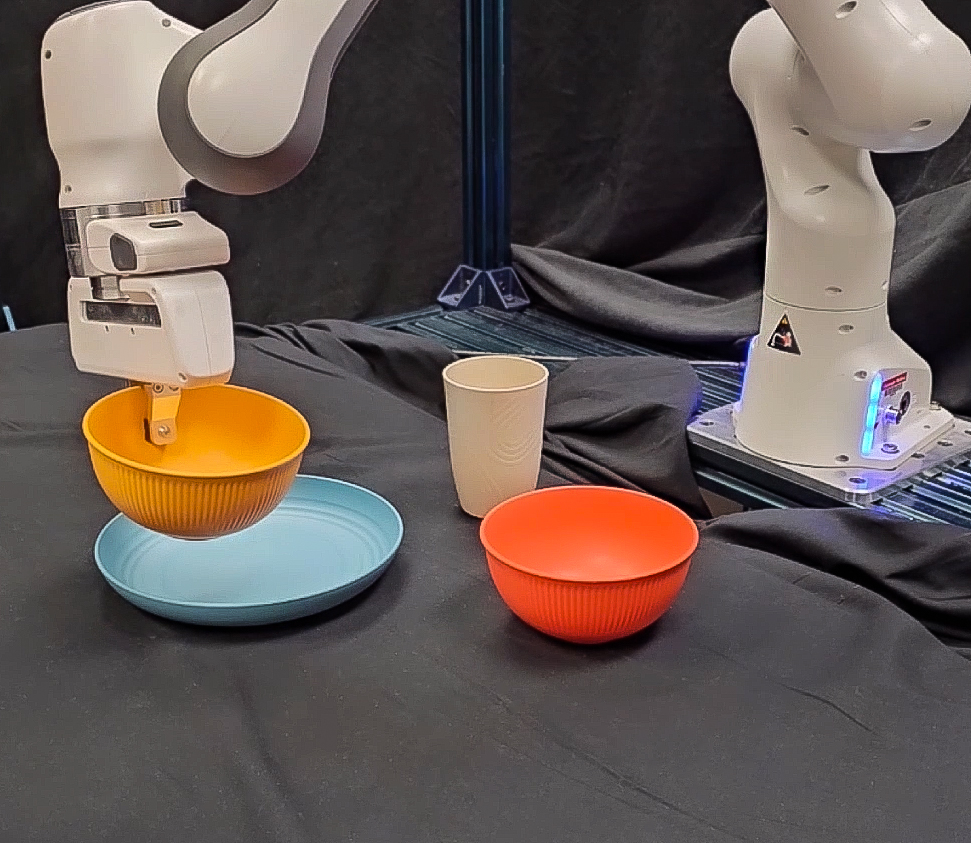
Researchers at Carnegie Mellon University have unveiled a revolutionary system named Search over Point cloud Object Transformations (SPOT), designed to enhance robotic capabilities in complex environments. This innovative technology allows robots to navigate and manipulate objects in cluttered spaces such as kitchens, classrooms, and offices, addressing one of the significant challenges in robotics.
SPOT enables robots to recognize their surroundings using data from 3D cameras. Unlike traditional methods that rely on predefined symbolic descriptions, SPOT allows robots to reason about the shapes and spatial relationships of objects directly. This capability is crucial for planning movements, such as stacking dishes or organizing items on shelves, which requires careful consideration of the sequence and placement of each object.
The research team, led by David Held and Maxim Likhachev from the Robotics Institute, aimed to empower robots with human-like planning abilities. These advancements represent a significant step towards making robots more efficient in everyday tasks. The ability to coordinate multi-object movements is vital for robots to function effectively in real-world scenarios, minimizing the risk of collisions and damage during operation.
Intuitive Decision-Making for Robots
The key innovation of SPOT is its use of raw sensory input directly from a camera, which eliminates the need for additional information about the environment. According to Amber Li, a Ph.D. student and co-lead researcher on the project, “SPOT operates directly in the point cloud space… it sees the world in 3D.” This allows robots to gain a comprehensive understanding of object shapes and positions, facilitating effective planning even in cluttered or partially visible environments.
In practical tests using a Franka robotic arm and plastic dishes, the team found that SPOT outperformed traditional planning methods. The robotic arm successfully rearranged the dishes in various configurations, demonstrating an ability to prioritize which objects to move first to achieve the desired outcome. As Kallol Saha, a master’s student and co-lead researcher, noted, “SPOT brings that kind of intuitive decision-making to robots, allowing them to plan complex movements directly from what they see.”
Recognition and Future Prospects
The research has gained notable recognition, with SPOT accepted for presentation at the 2025 Conference on Robotic Learning in Seoul, South Korea. The project was funded by the Toyota Research Institute and the Office of Naval Research, highlighting its significance in advancing robotic technology.
As the field of robotics continues to evolve, systems like SPOT offer promising pathways to enhance automation in everyday life. By enabling robots to operate with human-like planning abilities, researchers are moving closer to creating machines that can assist with household chores and other tasks with greater efficiency and safety.
For more information about SPOT and its potential applications, please visit the project website.

Urgent: Vehicle Fire Closes Two Lanes on I-215 in Salt Lake City

Knicks Dominate Raptors 116-94 at Home, Extend Winning Streak

Hallmark’s ‘Christmas at the Catnip Café’ Premieres Tonight!

Millville Woman Arrested for Threatening U-Haul Worker with Baton

Japan’s PM Takaichi Confirms Continued Fiscal Management Strategy

Bitcoin Plummets Below $88K Amid Tether Concerns and Warnings

Designers Unveil 5 Urgent Tricks to Transform Outdoor Eyesores

Shark Teeth Research Reveals Urgent Need to Protect Species

Church Members Unite in Resilience After Thanksgiving Fire

University of Hawaiʻi Joins $25.6M AI Initiative to Monitor Disasters

Toledo City League Announces Hall of Fame Inductees for 2024

DOJ Seizes $15 Billion in Bitcoin from Major Crypto Fraud Network

Sharp Launches Five New Aquos QLED 4K Ultra HD Smart TVs

Celtics Coach Joe Mazzulla Dominates Local Media in Scrimmage

Mutual Advisors LLC Increases Stake in SPDR Portfolio ETF

Community Unites for 7th Annual Walk to Raise Mental Health Awareness

Western Executives Confront Harsh Realities of China’s Manufacturing Edge

INK Entertainment Launches Exclusive Sofia Pop-Up at Virgin Hotels
-
Science4 weeks ago
University of Hawaiʻi Joins $25.6M AI Initiative to Monitor Disasters
-
 Lifestyle2 months ago
Toledo City League Announces Hall of Fame Inductees for 2024
-
 Business2 months ago
DOJ Seizes $15 Billion in Bitcoin from Major Crypto Fraud Network
-
 Top Stories2 months ago
Sharp Launches Five New Aquos QLED 4K Ultra HD Smart TVs
-
 Sports2 months ago
Celtics Coach Joe Mazzulla Dominates Local Media in Scrimmage
-
 Politics2 months ago
Mutual Advisors LLC Increases Stake in SPDR Portfolio ETF
-
 Health2 months ago
Community Unites for 7th Annual Walk to Raise Mental Health Awareness
-
 Science2 months ago
Western Executives Confront Harsh Realities of China’s Manufacturing Edge
-
 World2 months ago
INK Entertainment Launches Exclusive Sofia Pop-Up at Virgin Hotels
-

 Politics2 months ago
Major Networks Reject Pentagon’s New Reporting Guidelines
-

 Science1 month ago
Astronomers Discover Twin Cosmic Rings Dwarfing Galaxies
-

 Top Stories1 month ago
Randi Mahomes Launches Game Day Clothing Line with Chiefs