
Science
Iran’s President Declares Urgent Need to Relocate Capital City

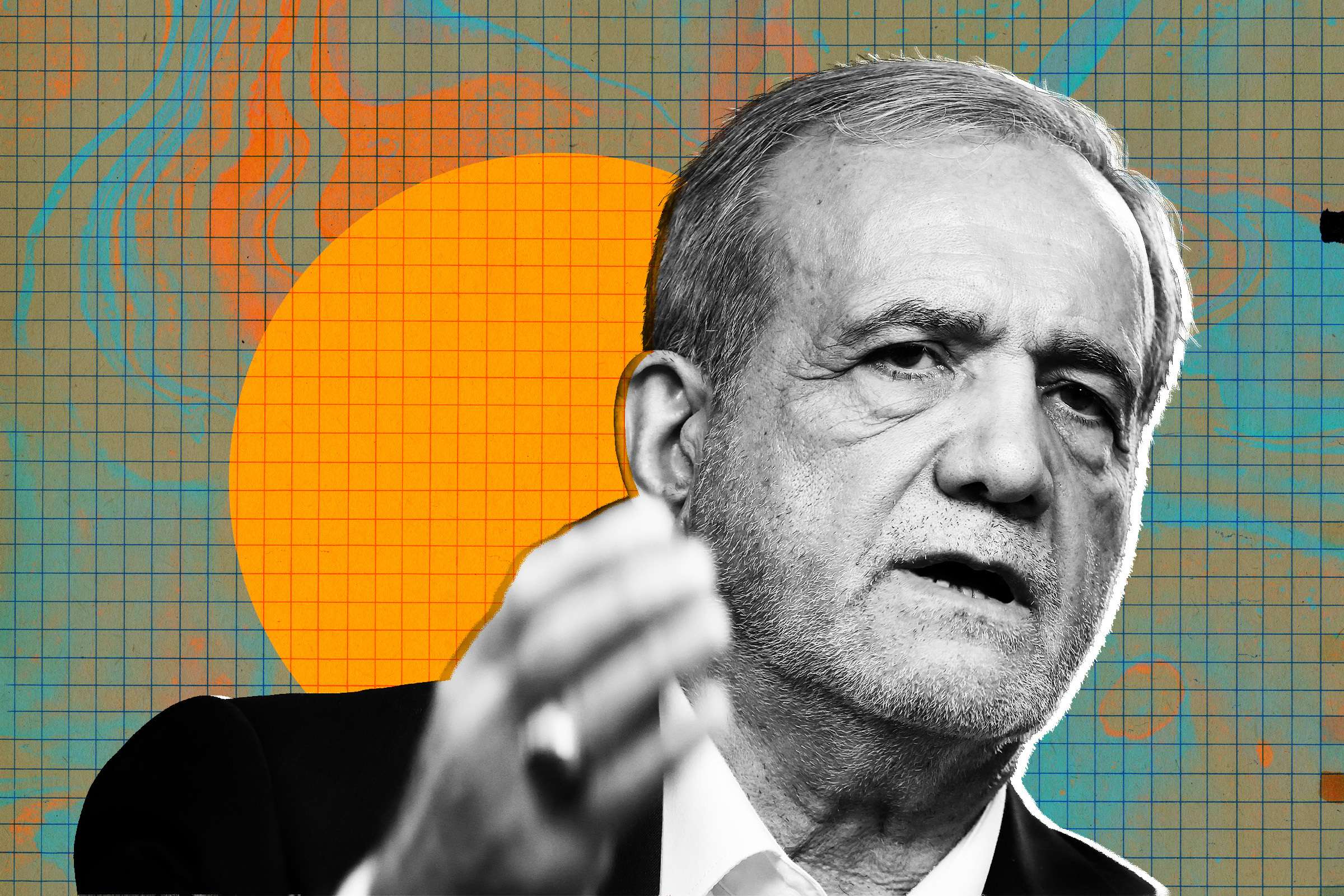
On November 23, 2023, Iranian President Masoud Pezeshkian announced a drastic measure: the relocation of the nation’s capital city, Tehran, to address an ongoing water crisis. This decision comes as Iran faces its sixth consecutive year of drought, exacerbated by environmental changes, industrial agriculture, and unsustainable population growth. Currently, Tehran is home to approximately nine million residents, with an additional 15 million in the surrounding metropolitan area, making it the third most populated city in the Middle East.
The urgency of the situation is underscored by Pezeshkian’s declaration that the country “no longer has a choice.” He emphasized that the capital’s relocation is not merely a preference but an obligation to protect the environment. “Protecting the environment is not a joke. Ignoring it means signing our own destruction,” he stated, highlighting the severity of the crisis.
For decades, Tehran has struggled with water shortages, which have intensified in recent years. The combination of climate change and rapid urbanization has placed immense pressure on the city’s water supply. According to a 2022 report from the Global Water Forum, the low-income urban poor are disproportionately affected by the current water crisis. While authorities have urged citizens to reduce water usage by 20 percent, household consumption accounts for only eight percent of the nation’s total water use, as reported by Al Jazeera.
Historical Context and Future Implications
Tehran has served as the capital of Persia since 1786, chosen for its strategic geographical location and access to vital trade routes. While other nations have relocated their capitals for various reasons, Iran’s potential move due to a water crisis is unprecedented in modern history. The implications of such a transfer would be extensive, involving significant logistical challenges and financial considerations. Currently, Pezeshkian admits that there is insufficient funding to execute this plan, stating, “If we had [the budget], maybe it would have been done.”
Should Iranian authorities proceed with the relocation, it is expected to be a multi-year project. The timeline for any relief from the water crisis remains uncertain, as current measures may not yield immediate results.
This development marks a critical juncture in Iran’s environmental and social landscape, raising questions about the future of urban planning and resource management in the country. As the government grapples with this water crisis, the focus will likely shift to sustainable practices and long-term solutions to ensure the well-being of its citizens. The challenge now lies in balancing immediate needs with the pressing environmental realities that demand urgent action.

Designers Unveil 5 Urgent Tricks to Transform Outdoor Eyesores

Shark Teeth Research Reveals Urgent Need to Protect Species

Church Members Unite in Resilience After Thanksgiving Fire

Community Unites to Attempt World Record for Largest Cookie Exchange

Mayor Lurie Appoints Alan Wong to District 4 Seat Amid Controversy

Mayor Appoints Alan Wong as New Supervisor for District 4

UK Report Reveals AI’s Role in Evaluating University Research Quality

Gabriela Jaquez Shines as No. 3 UCLA Dominates No. 14 Tennessee

Trump Promises to Release MRI Results Despite Uncertainty on Scan

University of Hawaiʻi Joins $25.6M AI Initiative to Monitor Disasters

Toledo City League Announces Hall of Fame Inductees for 2024

DOJ Seizes $15 Billion in Bitcoin from Major Crypto Fraud Network

Sharp Launches Five New Aquos QLED 4K Ultra HD Smart TVs

Celtics Coach Joe Mazzulla Dominates Local Media in Scrimmage

Mutual Advisors LLC Increases Stake in SPDR Portfolio ETF

Community Unites for 7th Annual Walk to Raise Mental Health Awareness

Western Executives Confront Harsh Realities of China’s Manufacturing Edge

INK Entertainment Launches Exclusive Sofia Pop-Up at Virgin Hotels
-
Science4 weeks ago
University of Hawaiʻi Joins $25.6M AI Initiative to Monitor Disasters
-
 Lifestyle2 months ago
Toledo City League Announces Hall of Fame Inductees for 2024
-
 Business2 months ago
DOJ Seizes $15 Billion in Bitcoin from Major Crypto Fraud Network
-
 Top Stories2 months ago
Sharp Launches Five New Aquos QLED 4K Ultra HD Smart TVs
-
 Sports2 months ago
Celtics Coach Joe Mazzulla Dominates Local Media in Scrimmage
-
 Politics2 months ago
Mutual Advisors LLC Increases Stake in SPDR Portfolio ETF
-
 Health2 months ago
Community Unites for 7th Annual Walk to Raise Mental Health Awareness
-
 Science2 months ago
Western Executives Confront Harsh Realities of China’s Manufacturing Edge
-
 World2 months ago
INK Entertainment Launches Exclusive Sofia Pop-Up at Virgin Hotels
-

 Politics2 months ago
Major Networks Reject Pentagon’s New Reporting Guidelines
-

 Science1 month ago
Astronomers Discover Twin Cosmic Rings Dwarfing Galaxies
-

 Top Stories1 month ago
Randi Mahomes Launches Game Day Clothing Line with Chiefs