
Science
NCAA Faces Deadline on Proposal to Allow Sports Betting for Athletes

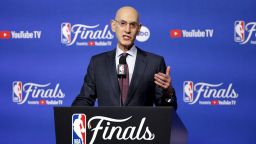
As the landscape of sports gambling continues to evolve, the NCAA is set to make a significant decision regarding a proposed rule change that could allow college athletes and staff to bet on professional sports. The organization has until 5 p.m. ET on November 21, 2023 to determine whether to adopt this proposal. If it is not rescinded, the rule will come into effect the following day, November 22.
The proposal has raised eyebrows amid ongoing allegations of sports gambling misconduct in Major League Baseball and the NBA. Many within college athletics are skeptical about the likelihood of this change taking place. A coach, who chose to remain anonymous, expressed doubts, stating, “There’s no way that happens, right?”
To block the proposal, two-thirds of the Division I member schools must submit paperwork opposing the change. Currently, fewer than the required 241 out of 361 schools have indicated their opposition, according to a source familiar with the situation.
Historically, college athletes, coaches, and staff have faced strict prohibitions against betting on sports governed by the NCAA. While horse racing was permitted, betting on football, basketball, baseball, and hockey was not allowed. The NCAA argues that with the increasing legalization of sports betting across various states, the rationale for prohibiting college athletes from wagering on professional sports has diminished. Nonetheless, betting on college sports remains strictly forbidden.
Roberta Page, director of athletics at Slippery Rock and chair of the Division II Management Council, commented on the proposal, stating, “This change recognizes the realities of today’s sports environment without compromising our commitment to protecting the integrity of college competition or the well-being of student-athletes.”
The proposal was initially set to take effect on November 1. However, the situation became more complex following the unsealing of an indictment that detailed two separate sports gambling schemes. These schemes implicated members of three New York crime families, two NBA players, and an NBA head coach, generating immediate backlash against the NCAA’s proposal.
In a letter to NCAA president Charlie Baker, Greg Sankey, commissioner of the Southeastern Conference, urged the NCAA to reconsider its stance. He emphasized the need to maintain strong standards that separate college participants from sports wagering at all levels.
Following this, the NCAA announced a delay in its decision-making process. This postponement was not solely due to public outcry; it resulted from a lack of support for the proposal among cabinet members, which triggered an automatic 30-day rescission process. Notably, two representatives from the Southeastern Conference voted in favor of the proposal despite their commissioner’s objections.
In the weeks following the announcement of the rescission period, the landscape of sports integrity continued to be challenged. Two MLB pitchers faced charges for rigging games, and six college basketball players from three institutions received permanent bans from NCAA competition due to game-fixing violations. Furthermore, on Thursday, the New Jersey Attorney General’s office announced charges against 14 individuals, including student-athletes, for operating an illegal online sports betting scheme in collaboration with the Lucchese crime family.
As the NCAA approaches its deadline, the implications of its decision could resonate throughout college athletics, shaping policies on gambling and sports integrity for years to come.

Millville Woman Arrested for Threatening U-Haul Worker with Baton

Japan’s PM Takaichi Confirms Continued Fiscal Management Strategy

Bitcoin Plummets Below $88K Amid Tether Concerns and Warnings

Designers Unveil 5 Urgent Tricks to Transform Outdoor Eyesores

Shark Teeth Research Reveals Urgent Need to Protect Species

Church Members Unite in Resilience After Thanksgiving Fire

Community Unites to Attempt World Record for Largest Cookie Exchange

Mayor Lurie Appoints Alan Wong to District 4 Seat Amid Controversy

Mayor Appoints Alan Wong as New Supervisor for District 4

University of Hawaiʻi Joins $25.6M AI Initiative to Monitor Disasters

Toledo City League Announces Hall of Fame Inductees for 2024

DOJ Seizes $15 Billion in Bitcoin from Major Crypto Fraud Network

Sharp Launches Five New Aquos QLED 4K Ultra HD Smart TVs

Celtics Coach Joe Mazzulla Dominates Local Media in Scrimmage

Mutual Advisors LLC Increases Stake in SPDR Portfolio ETF

Community Unites for 7th Annual Walk to Raise Mental Health Awareness

Western Executives Confront Harsh Realities of China’s Manufacturing Edge

INK Entertainment Launches Exclusive Sofia Pop-Up at Virgin Hotels
-
Science4 weeks ago
University of Hawaiʻi Joins $25.6M AI Initiative to Monitor Disasters
-
 Lifestyle2 months ago
Toledo City League Announces Hall of Fame Inductees for 2024
-
 Business2 months ago
DOJ Seizes $15 Billion in Bitcoin from Major Crypto Fraud Network
-
 Top Stories2 months ago
Sharp Launches Five New Aquos QLED 4K Ultra HD Smart TVs
-
 Sports2 months ago
Celtics Coach Joe Mazzulla Dominates Local Media in Scrimmage
-
 Politics2 months ago
Mutual Advisors LLC Increases Stake in SPDR Portfolio ETF
-
 Health2 months ago
Community Unites for 7th Annual Walk to Raise Mental Health Awareness
-
 Science2 months ago
Western Executives Confront Harsh Realities of China’s Manufacturing Edge
-
 World2 months ago
INK Entertainment Launches Exclusive Sofia Pop-Up at Virgin Hotels
-

 Politics2 months ago
Major Networks Reject Pentagon’s New Reporting Guidelines
-

 Science1 month ago
Astronomers Discover Twin Cosmic Rings Dwarfing Galaxies
-

 Top Stories1 month ago
Randi Mahomes Launches Game Day Clothing Line with Chiefs