
Science
New Bacterial Repair Mechanism Offers Hope Against Antibiotic Resistance

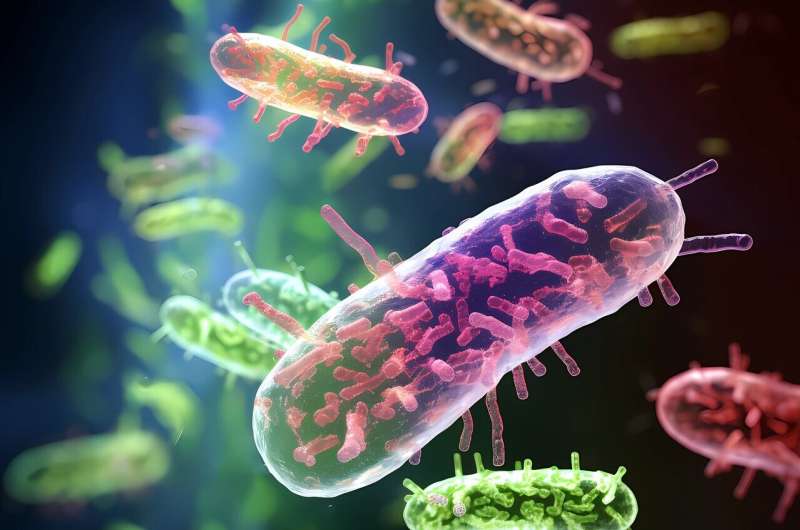
A recent study led by researchers at the University of Edinburgh has uncovered a new mechanism that bacteria use to resist common antibiotics, potentially paving the way for improved treatments against harmful infections. Published on November 11, 2025, in the journal Nature Communications, the findings highlight the urgent need to address antimicrobial resistance (AMR), a significant global health concern.
The research reveals that a specialized repair system, known as Rtc, plays a crucial role in enabling certain bacteria to survive antibiotic treatment. These antibiotics typically target protein production, which is essential for bacterial growth and survival. The discovery of Rtc as a drug target could significantly enhance the effectiveness of existing antibiotics.
Understanding the Rtc Repair Mechanism
The Rtc system repairs damaged RNA, a vital molecule that translates genetic information from DNA into functional proteins within bacterial cells. This ability allows bacteria to maintain protein production, even when exposed to antibiotics. The study’s authors emphasize that the response of bacteria to antibiotics can be inconsistent, as the expression of the Rtc repair system varies among individual cells. This variability may explain the challenges in treating certain infections, where some bacteria demonstrate higher resilience to antibiotic treatments than others.
Using a combination of computer models and laboratory experiments focused on E. coli, which is known for developing antibiotic resistance, the researchers concluded that targeting key components of the Rtc repair system could lead to more effective treatments. By tailoring therapies to disrupt this repair mechanism, it may be possible to enhance the effectiveness of current antibiotics, making them more capable of eradicating infections.
Implications for Future Research and Treatments
The study not only sheds light on the intricate survival strategies of bacteria but also opens new pathways for developing therapies aimed at combating AMR. According to Dr. Andrea Weisse, who led the research at the University of Edinburgh’s Schools of Biological Sciences and Informatics, “Bacteria are clever little things. They have been learning how to dodge our antibiotics, and they are getting better at it all the time. If we don’t find new drugs—or new tricks to outsmart them—we are in trouble.”
Dr. Weisse emphasizes the importance of understanding how bacterial defense systems operate. By gaining clarity on these mechanisms, researchers can develop smarter strategies to outmaneuver bacteria and enhance treatment effectiveness.
The ongoing battle against antibiotic resistance highlights the critical need for innovative approaches in medicine. As researchers continue to explore the complexities of bacterial survival, the insights gained from this study may play a pivotal role in shaping future therapies that effectively address one of the most pressing health challenges of our time.

Millville Woman Arrested for Threatening U-Haul Worker with Baton

Japan’s PM Takaichi Confirms Continued Fiscal Management Strategy

Bitcoin Plummets Below $88K Amid Tether Concerns and Warnings

Designers Unveil 5 Urgent Tricks to Transform Outdoor Eyesores

Shark Teeth Research Reveals Urgent Need to Protect Species

Church Members Unite in Resilience After Thanksgiving Fire

Community Unites to Attempt World Record for Largest Cookie Exchange

Mayor Lurie Appoints Alan Wong to District 4 Seat Amid Controversy

Mayor Appoints Alan Wong as New Supervisor for District 4

University of Hawaiʻi Joins $25.6M AI Initiative to Monitor Disasters

Toledo City League Announces Hall of Fame Inductees for 2024

DOJ Seizes $15 Billion in Bitcoin from Major Crypto Fraud Network

Sharp Launches Five New Aquos QLED 4K Ultra HD Smart TVs

Celtics Coach Joe Mazzulla Dominates Local Media in Scrimmage

Mutual Advisors LLC Increases Stake in SPDR Portfolio ETF

Community Unites for 7th Annual Walk to Raise Mental Health Awareness

Western Executives Confront Harsh Realities of China’s Manufacturing Edge

INK Entertainment Launches Exclusive Sofia Pop-Up at Virgin Hotels
-
Science4 weeks ago
University of Hawaiʻi Joins $25.6M AI Initiative to Monitor Disasters
-
 Lifestyle2 months ago
Toledo City League Announces Hall of Fame Inductees for 2024
-
 Business2 months ago
DOJ Seizes $15 Billion in Bitcoin from Major Crypto Fraud Network
-
 Top Stories2 months ago
Sharp Launches Five New Aquos QLED 4K Ultra HD Smart TVs
-
 Sports2 months ago
Celtics Coach Joe Mazzulla Dominates Local Media in Scrimmage
-
 Politics2 months ago
Mutual Advisors LLC Increases Stake in SPDR Portfolio ETF
-
 Health2 months ago
Community Unites for 7th Annual Walk to Raise Mental Health Awareness
-
 Science2 months ago
Western Executives Confront Harsh Realities of China’s Manufacturing Edge
-
 World2 months ago
INK Entertainment Launches Exclusive Sofia Pop-Up at Virgin Hotels
-

 Politics2 months ago
Major Networks Reject Pentagon’s New Reporting Guidelines
-

 Science1 month ago
Astronomers Discover Twin Cosmic Rings Dwarfing Galaxies
-

 Top Stories1 month ago
Randi Mahomes Launches Game Day Clothing Line with Chiefs