
Science
NTSB Confirms Hull Damage Caused Titan Submersible Implosion

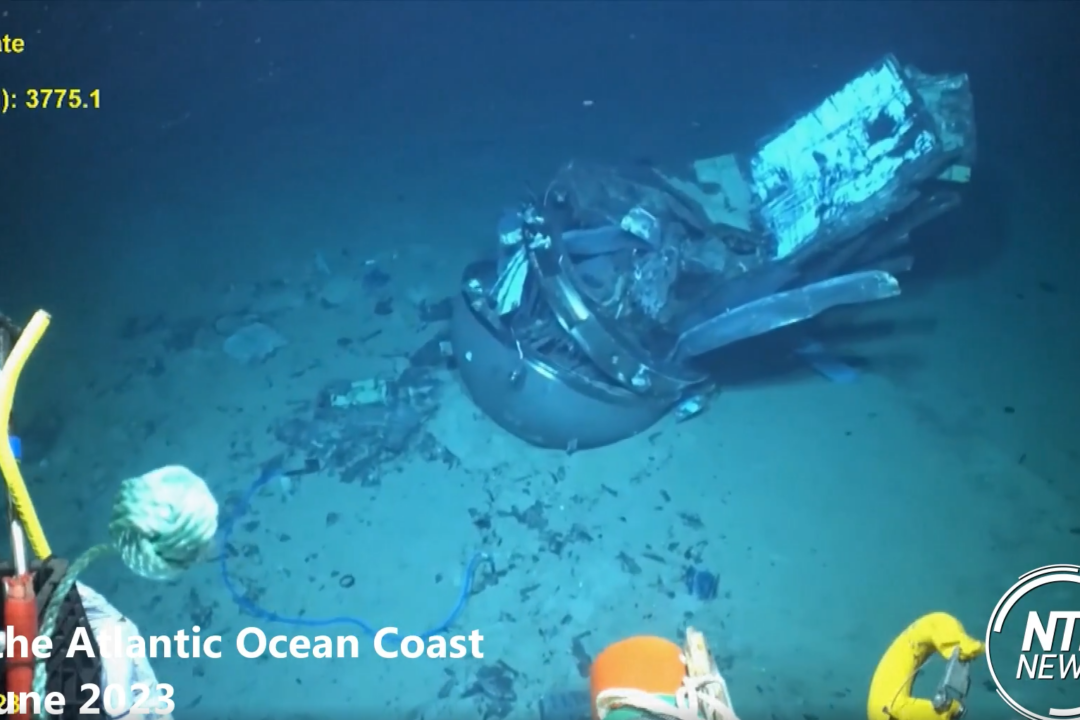
The National Transportation Safety Board (NTSB) released an official report on October 15, confirming that damage to the hull of the Titan submersible led to its catastrophic implosion during a dive to the wreck of the Titanic. The incident, which occurred on June 18, 2023, resulted in the deaths of all five individuals aboard.
According to the NTSB’s findings, the experimental submersible, constructed in 2021 by the private firm OceanGate, suffered a failure of its pressure hull. This failure ultimately caused the vessel to implode while it was exploring the historic site in the North Atlantic Ocean. The report emphasized that the implosion was a direct consequence of an inadequate engineering process employed by OceanGate.
Investigation Findings and Implications
The NTSB determined that the probable cause of the hull failure was linked to OceanGate‘s failure to properly assess the strength and durability of the Titan’s pressure vessel. The report highlighted that the engineering practices in place did not meet critical safety standards necessary for such deep-sea explorations.
The Titan submersible was designed to carry passengers to depths of around 3,800 meters to view the Titanic wreck. The ill-fated expedition marked a significant moment in deep-sea tourism, where the allure of exploring historical shipwrecks competes with the inherent risks associated with such operations.
In the aftermath of this tragedy, the NTSB has urged for stricter regulations and oversight in the submersible tourism industry to prevent similar incidents in the future. The report stresses the need for rigorous safety protocols and engineering assessments for all vessels involved in deep-sea operations.
Reactions from the Industry and Families
The findings have drawn reactions from various stakeholders in the deep-sea exploration industry. Advocates for stricter safety regulations have welcomed the NTSB’s report, arguing that it underscores the critical need for comprehensive safety measures in underwater expeditions.
Families of the victims have expressed their grief and concern regarding the safety of such exploratory ventures. One family member stated, “We hope that this will bring about changes to ensure that no other families have to go through this unimaginable loss.”
As the world reflects on the implications of this tragedy, it serves as a reminder of the risks associated with exploring the depths of the ocean. The NTSB’s report aims to foster a safer environment for future explorations, ensuring that adventurers can pursue their passions while prioritizing their safety.
The Titan incident has ignited discussions about the balance between adventure and safety in deep-sea tourism, a sector that continues to grow as technology advances. With ongoing investigations and further discussions on regulation, the hope is to prevent future tragedies while still allowing for the exploration of the ocean’s mysteries.

Designers Unveil 5 Urgent Tricks to Transform Outdoor Eyesores

Shark Teeth Research Reveals Urgent Need to Protect Species

Church Members Unite in Resilience After Thanksgiving Fire

Community Unites to Attempt World Record for Largest Cookie Exchange

Mayor Lurie Appoints Alan Wong to District 4 Seat Amid Controversy

Mayor Appoints Alan Wong as New Supervisor for District 4

UK Report Reveals AI’s Role in Evaluating University Research Quality

Gabriela Jaquez Shines as No. 3 UCLA Dominates No. 14 Tennessee

Trump Promises to Release MRI Results Despite Uncertainty on Scan

University of Hawaiʻi Joins $25.6M AI Initiative to Monitor Disasters

Toledo City League Announces Hall of Fame Inductees for 2024

DOJ Seizes $15 Billion in Bitcoin from Major Crypto Fraud Network

Sharp Launches Five New Aquos QLED 4K Ultra HD Smart TVs

Celtics Coach Joe Mazzulla Dominates Local Media in Scrimmage

Mutual Advisors LLC Increases Stake in SPDR Portfolio ETF

Community Unites for 7th Annual Walk to Raise Mental Health Awareness

Western Executives Confront Harsh Realities of China’s Manufacturing Edge

INK Entertainment Launches Exclusive Sofia Pop-Up at Virgin Hotels
-
Science4 weeks ago
University of Hawaiʻi Joins $25.6M AI Initiative to Monitor Disasters
-
 Lifestyle2 months ago
Toledo City League Announces Hall of Fame Inductees for 2024
-
 Business2 months ago
DOJ Seizes $15 Billion in Bitcoin from Major Crypto Fraud Network
-
 Top Stories2 months ago
Sharp Launches Five New Aquos QLED 4K Ultra HD Smart TVs
-
 Sports2 months ago
Celtics Coach Joe Mazzulla Dominates Local Media in Scrimmage
-
 Politics2 months ago
Mutual Advisors LLC Increases Stake in SPDR Portfolio ETF
-
 Health2 months ago
Community Unites for 7th Annual Walk to Raise Mental Health Awareness
-
 Science2 months ago
Western Executives Confront Harsh Realities of China’s Manufacturing Edge
-
 World2 months ago
INK Entertainment Launches Exclusive Sofia Pop-Up at Virgin Hotels
-

 Politics2 months ago
Major Networks Reject Pentagon’s New Reporting Guidelines
-

 Science1 month ago
Astronomers Discover Twin Cosmic Rings Dwarfing Galaxies
-

 Top Stories1 month ago
Randi Mahomes Launches Game Day Clothing Line with Chiefs