
Science
Scholars Challenge Common Misconceptions About Viking Culture

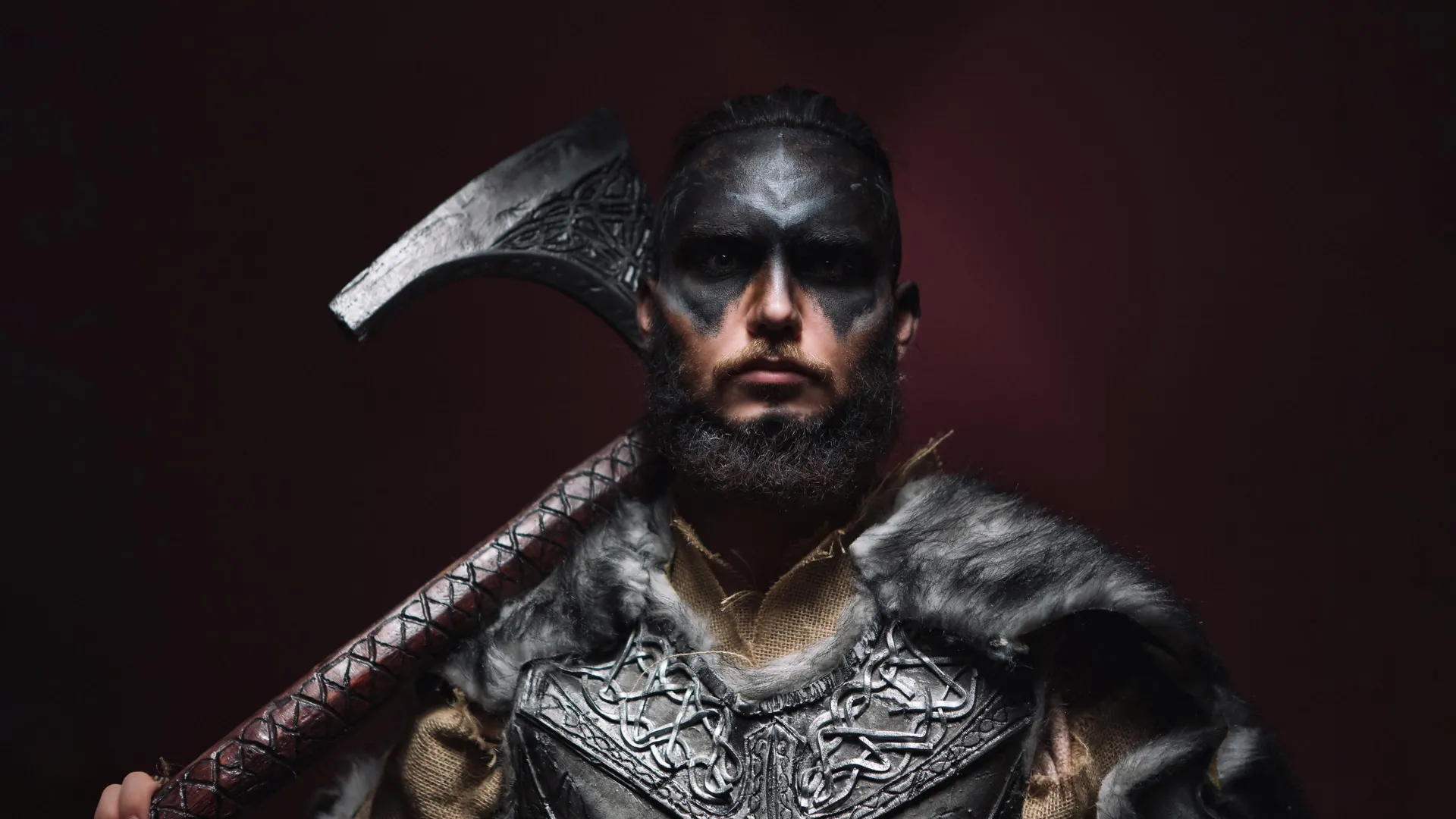
Recent research from scholars at the University of Münster has revealed that many popular beliefs about Vikings and Norse mythology are largely misconceptions. According to experts from the Cluster of Excellence “Religion and Politics,” these notions are primarily based on medieval texts created long after the Viking Age, which spanned from the 8th to the 11th century.
The Viking image that has permeated modern culture—depicting them as fearless adventurers, formidable warriors, and skilled seafarers—has been significantly influenced by literature, film, and other media. Roland Scheel, a prominent scholar in Scandinavian studies, emphasizes that the historical record does not support these romanticized portrayals. He points out that the few surviving texts from the Viking Age largely consist of brief runic inscriptions, with more detailed narratives emerging from Christian scholars writing centuries later.
The interpretations of Norse paganism and Viking culture have been reshaped over time to reflect contemporary ideologies, often neglecting the complexities of the original beliefs. Scheel notes, “The surviving texts represent ‘memorialized history’ only,” indicating that they do not capture the full scope of Viking life and beliefs.
The term “Viking” has come to symbolize a favorable view of pre-Christian Scandinavian society. Proponents argue that it reflects a unique warrior ethos, a comparatively high status for women, and a perceived freedom from religious constraints. This positive interpretation continues to influence contemporary identity formation, particularly among neo-pagan groups that draw inspiration from ancient beliefs.
Yet, Scheel cautions that this modern understanding often overlooks the violence associated with Viking raids. In contrast to the sympathetic portrayal of Viking culture, events like the Crusades are viewed through a more critical lens, highlighting coercion and brutality.
Revisiting Historical Narratives
Scholars like Simon Hauke are investigating how medieval conceptions of the “pagan North” have shaped modern interpretations. Their research traces the evolution of these ideas from notable historical figures, such as Snorri Sturluson, a 13th-century Icelandic scholar, to Otto von Bismarck, who referenced the “Edda” in his political speeches.
Both researchers emphasize the impact of these interpretations on societal goals and mindsets. “Studying how people imagined Scandinavian paganism reveals much about their motivations,” Scheel explains. He also highlights the political misuse of Norse mythology, particularly during the Volk movement and the National Socialists, who distorted these ancient narratives to support their racial ideologies.
Despite lingering associations with extremist ideologies, contemporary perceptions of Norse mythology are diverse. Scholars note that modern interpretations reflect a wide array of interests, with neo-pagan groups representing a spectrum of beliefs. Ideas from Norse mythology continue to inspire significant works of art and literature, including Richard Wagner’s opera “The Ring of the Nibelung.”
Hauke notes, “Many of the ideas we have today about Norse mythology come from this opera’s premiere.” The character of the Valkyrie, often depicted as a feminine warrior, has been simplified in modern adaptations, straying from the diverse roles described in Old Norse sources.
Exploring Cultural Heritage
Scheel and Hauke’s project, “Paganisations: Memorialised Paganism as an Element of Scandinavian and European Identities,” aims to unravel the complex history of Scandinavian paganism and its interpretations. Their upcoming conference, “Imagining Nordic Paganism: Cultural Memories and Scholarly Thought Since the Middle Ages,” will showcase talks from international experts, covering topics such as the relationship between gender and paganism and the historical significance of these narratives.
The conference will feature contributions from notable scholars, including Jóhanna Katrín Friðriksdóttir from Oslo and runologist Alessia Bauer from Paris. Together, they will explore the depth of Scandinavian paganism’s legacy, highlighting its influence from medieval times to contemporary scholarship.
As scholars continue to examine these historical narratives, they invite a re-evaluation of how we understand Viking culture and Norse mythology, urging society to acknowledge both the complexities and the varied interpretations that have emerged over centuries.

Arlene Hartman, Beloved Community Member, Passes at 87

Urgent: Vehicle Fire Closes Two Lanes on I-215 in Salt Lake City

Knicks Dominate Raptors 116-94 at Home, Extend Winning Streak

Hallmark’s ‘Christmas at the Catnip Café’ Premieres Tonight!

Millville Woman Arrested for Threatening U-Haul Worker with Baton

Japan’s PM Takaichi Confirms Continued Fiscal Management Strategy

Bitcoin Plummets Below $88K Amid Tether Concerns and Warnings

Designers Unveil 5 Urgent Tricks to Transform Outdoor Eyesores

Shark Teeth Research Reveals Urgent Need to Protect Species

University of Hawaiʻi Joins $25.6M AI Initiative to Monitor Disasters

Toledo City League Announces Hall of Fame Inductees for 2024

DOJ Seizes $15 Billion in Bitcoin from Major Crypto Fraud Network

Sharp Launches Five New Aquos QLED 4K Ultra HD Smart TVs

Celtics Coach Joe Mazzulla Dominates Local Media in Scrimmage

Mutual Advisors LLC Increases Stake in SPDR Portfolio ETF

Community Unites for 7th Annual Walk to Raise Mental Health Awareness

Western Executives Confront Harsh Realities of China’s Manufacturing Edge

INK Entertainment Launches Exclusive Sofia Pop-Up at Virgin Hotels
-
Science4 weeks ago
University of Hawaiʻi Joins $25.6M AI Initiative to Monitor Disasters
-
 Lifestyle2 months ago
Toledo City League Announces Hall of Fame Inductees for 2024
-
 Business2 months ago
DOJ Seizes $15 Billion in Bitcoin from Major Crypto Fraud Network
-
 Top Stories2 months ago
Sharp Launches Five New Aquos QLED 4K Ultra HD Smart TVs
-
 Sports2 months ago
Celtics Coach Joe Mazzulla Dominates Local Media in Scrimmage
-
 Politics2 months ago
Mutual Advisors LLC Increases Stake in SPDR Portfolio ETF
-
 Health2 months ago
Community Unites for 7th Annual Walk to Raise Mental Health Awareness
-
 Science2 months ago
Western Executives Confront Harsh Realities of China’s Manufacturing Edge
-
 World2 months ago
INK Entertainment Launches Exclusive Sofia Pop-Up at Virgin Hotels
-

 Politics2 months ago
Major Networks Reject Pentagon’s New Reporting Guidelines
-
 Science1 month ago
Astronomers Discover Twin Cosmic Rings Dwarfing Galaxies
-

 Top Stories1 month ago
Randi Mahomes Launches Game Day Clothing Line with Chiefs