
Science
Scripps and UCSD Researchers Secure $4 Million for Stem Cell Study

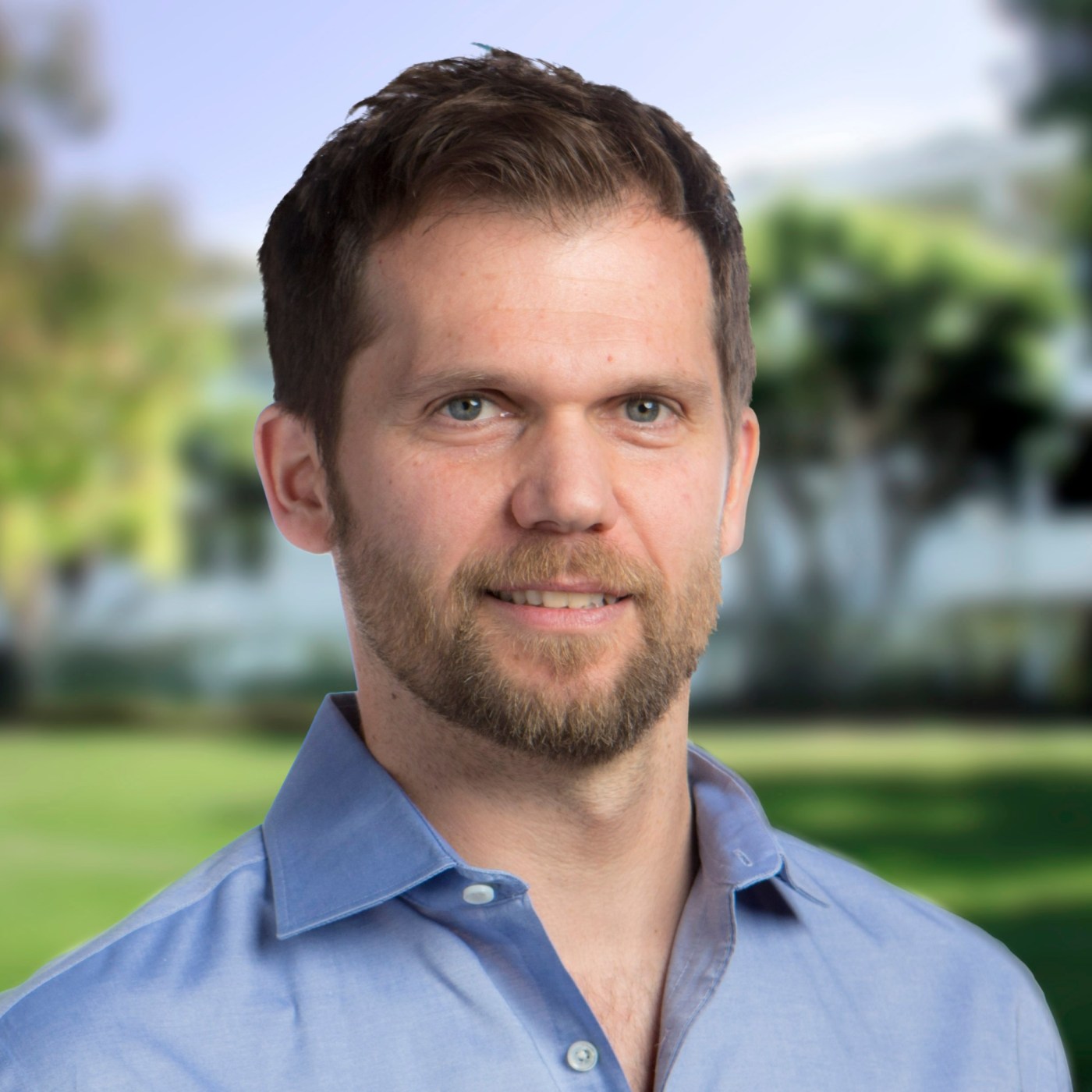
A team of researchers from Scripps Research and the University of California, San Diego (UCSD) has been awarded a substantial grant of $4 million from the California Institute for Regenerative Medicine (CIRM). The funding will support a groundbreaking study on haploinsufficiency, a genetic condition where only one copy of a crucial gene functions, leading to various neurodevelopmental disorders, including treatment-resistant severe epilepsy.
The principal investigator, Giordano Lippi, a neuroscientist at Scripps Research, will collaborate with two distinguished co-investigators: Gene Yeo, a molecular biologist at UCSD, and Dr. Olivia Kim Mcmanus, a pediatric neurologist and epileptologist. This three-year project aims to utilize pluripotent stem cells to create cortical organoids—lab-made structures that can replicate the functionality of brain cell networks.
Exploring Genetic Mechanisms and Treatment Options
These organoids are expected to provide a unique environment for researchers to investigate how genetic abnormalities influence neuronal activity. The study targets the underproduction of essential proteins caused by the malfunctioning gene copy, a condition common in haploinsufficiency cases.
“We are developing a technology that can effectively ‘turn the volume back up’ on genes in which one copy has been silenced,” Lippi stated. “By understanding how these genes are regulated and learning how to restore their protein levels, we hope to uncover new paths for treating complex neurodevelopmental disorders.”
CIRM, established in 2004 following the passage of Proposition 71, was created to counter a federal ban on most research involving human embryonic stem cells. Initially funded by the sale of $3 billion in bonds, the institute allocates resources to researchers throughout California who propose using stem cells to study and potentially treat a variety of diseases.
In 2020, voters approved an additional $5.5 billion in funding for CIRM through Proposition 14, reinforcing its commitment to advancing stem cell research. To date, CIRM reports that its funding has directly supported 116 clinical trials and established an “alpha clinic” network of nine hospitals, including UCSD, which has hosted over 250 additional stem cell trials.
This latest grant signifies a critical step toward understanding and potentially mitigating the impacts of haploinsufficiency, a condition that continues to challenge medical professionals and affect numerous patients worldwide. The findings from this research could pave the way for innovative treatments, enhancing the quality of life for those affected by these debilitating disorders.

Urgent: Vehicle Fire Closes Two Lanes on I-215 in Salt Lake City

Knicks Dominate Raptors 116-94 at Home, Extend Winning Streak

Hallmark’s ‘Christmas at the Catnip Café’ Premieres Tonight!

Millville Woman Arrested for Threatening U-Haul Worker with Baton

Japan’s PM Takaichi Confirms Continued Fiscal Management Strategy

Bitcoin Plummets Below $88K Amid Tether Concerns and Warnings

Designers Unveil 5 Urgent Tricks to Transform Outdoor Eyesores

Shark Teeth Research Reveals Urgent Need to Protect Species

Church Members Unite in Resilience After Thanksgiving Fire

University of Hawaiʻi Joins $25.6M AI Initiative to Monitor Disasters

Toledo City League Announces Hall of Fame Inductees for 2024

DOJ Seizes $15 Billion in Bitcoin from Major Crypto Fraud Network

Sharp Launches Five New Aquos QLED 4K Ultra HD Smart TVs

Celtics Coach Joe Mazzulla Dominates Local Media in Scrimmage

Mutual Advisors LLC Increases Stake in SPDR Portfolio ETF

Community Unites for 7th Annual Walk to Raise Mental Health Awareness

Western Executives Confront Harsh Realities of China’s Manufacturing Edge

Major Networks Reject Pentagon’s New Reporting Guidelines
-
Science4 weeks ago
University of Hawaiʻi Joins $25.6M AI Initiative to Monitor Disasters
-
 Lifestyle2 months ago
Toledo City League Announces Hall of Fame Inductees for 2024
-
 Business2 months ago
DOJ Seizes $15 Billion in Bitcoin from Major Crypto Fraud Network
-
 Top Stories2 months ago
Sharp Launches Five New Aquos QLED 4K Ultra HD Smart TVs
-
 Sports2 months ago
Celtics Coach Joe Mazzulla Dominates Local Media in Scrimmage
-
 Politics2 months ago
Mutual Advisors LLC Increases Stake in SPDR Portfolio ETF
-
 Health2 months ago
Community Unites for 7th Annual Walk to Raise Mental Health Awareness
-
 Science2 months ago
Western Executives Confront Harsh Realities of China’s Manufacturing Edge
-
 Politics2 months ago
Major Networks Reject Pentagon’s New Reporting Guidelines
-

 World2 months ago
INK Entertainment Launches Exclusive Sofia Pop-Up at Virgin Hotels
-

 Science1 month ago
Astronomers Discover Twin Cosmic Rings Dwarfing Galaxies
-

 Top Stories1 month ago
Randi Mahomes Launches Game Day Clothing Line with Chiefs