
Science
Tech Billionaires Fund Controversial Gene-Editing Startup

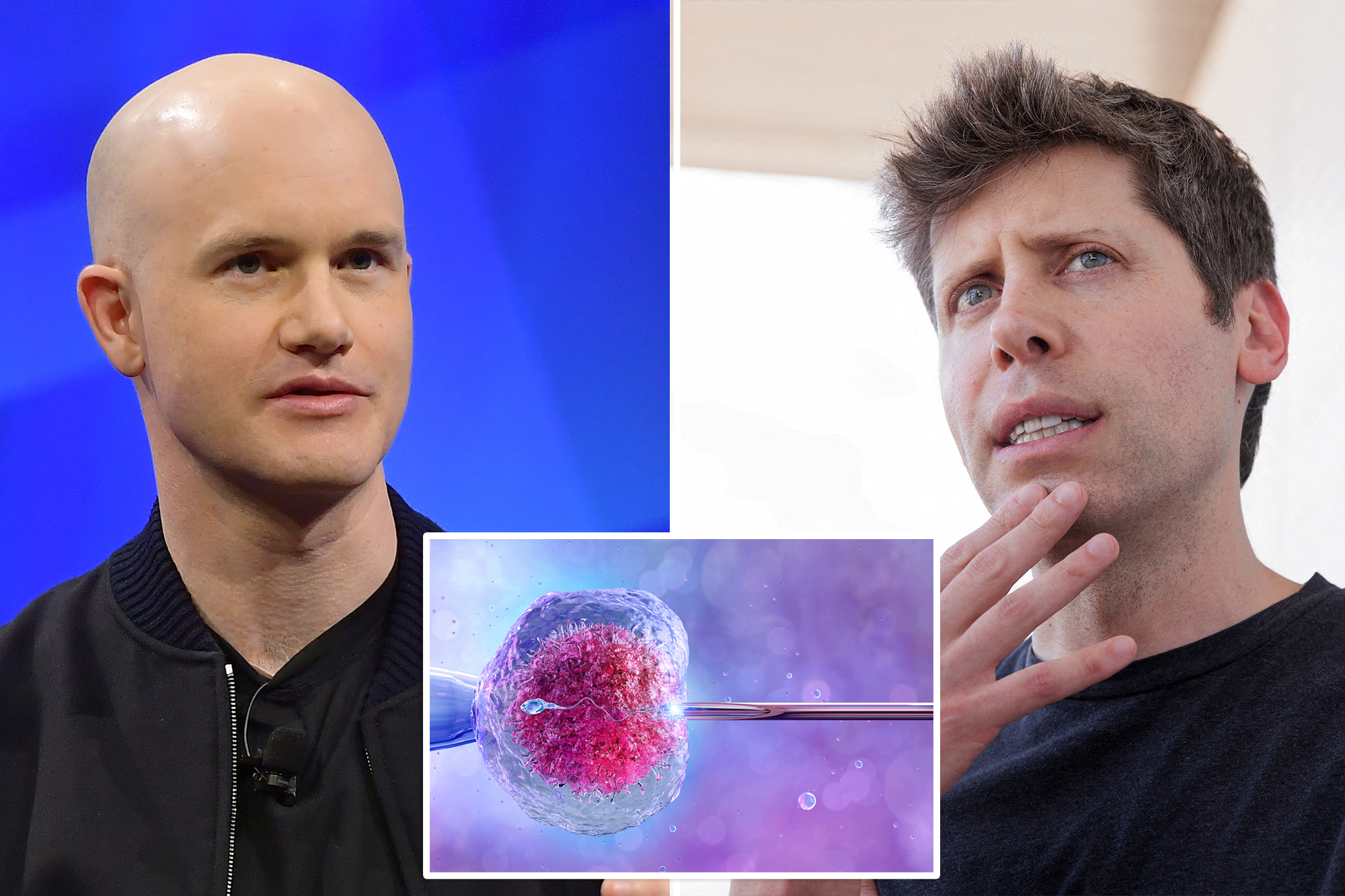
A Silicon Valley startup known as Preventive is advancing research into gene editing, despite significant legal and ethical concerns surrounding the practice. Backed by high-profile investors including Sam Altman of OpenAI and Brian Armstrong from Coinbase, Preventive aims to eliminate hereditary diseases by editing human embryos prior to birth. Such actions are currently illegal under U.S. law and are prohibited in many other countries, raising questions about the implications of their work.
Founded earlier in 2023 by gene-editing expert Lucas Harrington, Preventive has secured $30 million in funding and is based in San Francisco. The company asserts that its mission is to ensure the safety and transparency of embryo editing technology before any applications for creating genetically modified babies are pursued. According to a report in the Wall Street Journal, Harrington emphasized that the company is focused on preclinical research and is not currently preparing to implant edited embryos.
Investor sentiments reflect a range of views on the ethical dimensions of gene editing. Oliver Mulherin, Altman’s husband, stated that their investment aims to help families avoid genetic illness. Armstrong has expressed enthusiasm for the venture, arguing that correcting genetic defects at the embryo stage is preferable to treating diseases later in life.
The U.S. federal law restricts the Food and Drug Administration from considering applications for trials involving genetically edited embryos that would lead to pregnancies. Despite this, Harrington confirmed that Preventive has explored opportunities in jurisdictions like the United Arab Emirates, where such practices might not face the same legal barriers. He clarified that any consideration of work outside the U.S. is purely due to the regulatory landscape and not an attempt to bypass oversight.
Preventive operates as a public-benefit corporation, allowing it to prioritize social good alongside profit. Its charter emphasizes the responsible advancement of genome editing technologies intended to benefit humanity. This approach parallels the controversial work of He Jiankui, who faced legal repercussions for creating the first gene-edited babies in 2018. Jiankui’s actions raised significant ethical questions, and the long-term effects on those children remain uncertain.
As funding for reproductive genetics surges in Silicon Valley, Preventive is not alone in its ambitions. Other companies, such as Manhattan Genomics and Bootstrap Bio, are also investigating embryo editing techniques. Each faces scrutiny from bioethicists and regulators regarding their research agendas, particularly concerning the potential for commercial embryo editing to drift into eugenics.
Critics of these initiatives caution that they may inadvertently encourage a market for “designer babies.” Fyodor Urnov, a director at the Innovative Genomics Institute at the University of California, Berkeley, voiced strong disapproval, stating, “They are either lying, delusional, or both,” referring to the motivations behind such ventures. Supporters, in contrast, argue that the objectives are strictly medical, focusing on serious disorders like cystic fibrosis and sickle cell disease. These conditions can prevent parents who are carriers of the same genetic mutation from conceiving healthy children via traditional in vitro fertilization.
Preventive’s efforts are poised to continue stirring debate as they navigate the complex intersection of technology, ethics, and law. The company has committed to transparency, promising to publish its findings, regardless of their nature. As the landscape of reproductive genetics evolves, the ramifications of their work will likely influence public discourse on the future of gene editing.

Knicks Dominate Raptors 116-94 at Home, Extend Winning Streak

Hallmark’s ‘Christmas at the Catnip Café’ Premieres Tonight!

Millville Woman Arrested for Threatening U-Haul Worker with Baton

Japan’s PM Takaichi Confirms Continued Fiscal Management Strategy

Bitcoin Plummets Below $88K Amid Tether Concerns and Warnings

Designers Unveil 5 Urgent Tricks to Transform Outdoor Eyesores

Shark Teeth Research Reveals Urgent Need to Protect Species

Church Members Unite in Resilience After Thanksgiving Fire

Community Unites to Attempt World Record for Largest Cookie Exchange

University of Hawaiʻi Joins $25.6M AI Initiative to Monitor Disasters

Toledo City League Announces Hall of Fame Inductees for 2024

DOJ Seizes $15 Billion in Bitcoin from Major Crypto Fraud Network

Sharp Launches Five New Aquos QLED 4K Ultra HD Smart TVs

Celtics Coach Joe Mazzulla Dominates Local Media in Scrimmage

Mutual Advisors LLC Increases Stake in SPDR Portfolio ETF

Community Unites for 7th Annual Walk to Raise Mental Health Awareness

Western Executives Confront Harsh Realities of China’s Manufacturing Edge

Major Networks Reject Pentagon’s New Reporting Guidelines
-
Science4 weeks ago
University of Hawaiʻi Joins $25.6M AI Initiative to Monitor Disasters
-
 Lifestyle2 months ago
Toledo City League Announces Hall of Fame Inductees for 2024
-
 Business2 months ago
DOJ Seizes $15 Billion in Bitcoin from Major Crypto Fraud Network
-
 Top Stories2 months ago
Sharp Launches Five New Aquos QLED 4K Ultra HD Smart TVs
-
 Sports2 months ago
Celtics Coach Joe Mazzulla Dominates Local Media in Scrimmage
-
 Politics2 months ago
Mutual Advisors LLC Increases Stake in SPDR Portfolio ETF
-
 Health2 months ago
Community Unites for 7th Annual Walk to Raise Mental Health Awareness
-
 Science2 months ago
Western Executives Confront Harsh Realities of China’s Manufacturing Edge
-
 Politics2 months ago
Major Networks Reject Pentagon’s New Reporting Guidelines
-

 World2 months ago
INK Entertainment Launches Exclusive Sofia Pop-Up at Virgin Hotels
-

 Science1 month ago
Astronomers Discover Twin Cosmic Rings Dwarfing Galaxies
-

 Top Stories1 month ago
Randi Mahomes Launches Game Day Clothing Line with Chiefs