
Science
Turkey Tail Mushroom Coating Promises Sustainable Food Wrap Alternative

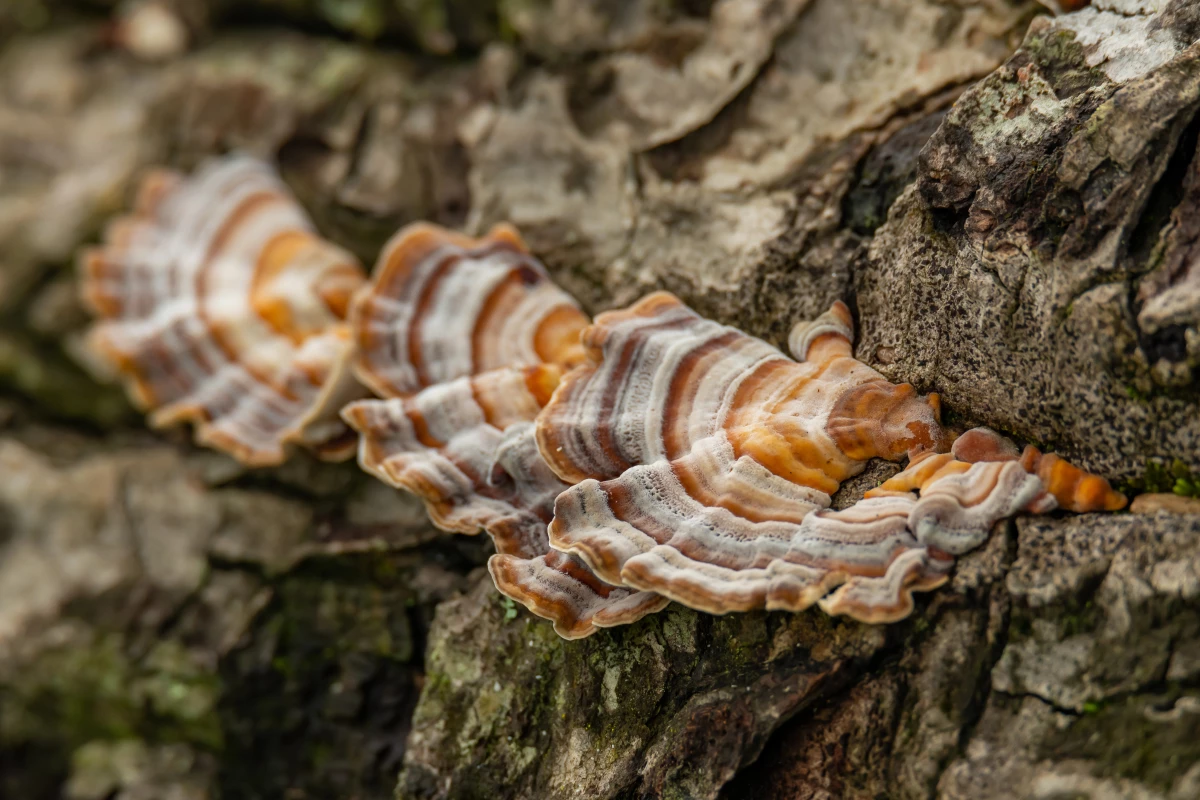
Research from the University of Maine demonstrates that a combination of edible turkey tail mushroom and wood fibers could replace single-use plastic food wraps and synthetic coatings used in paper cups. This innovative solution offers a sustainable and food-safe alternative that resists water, oil, and grease.
The study focuses on the mycelium of the turkey tail mushroom, scientifically known as Trametes versicolor. Mycelium is a root-like structure found in the wood on which the mushroom grows. Researchers aimed to develop an environmentally friendly coating that maintains functionality while reducing reliance on harmful plastics. The mycelium’s dense, featherlike strands contribute to its waterproof properties when combined with cellulose fibers known as nanofibrils, commonly used in paper-making.
Associate Professor Caitlin Howell, the study’s corresponding author, expressed optimism about the findings: “Our hope is that by providing more ways to potentially reduce our reliance on single-use plastics, we can help lessen the waste that ends up in landfills and the ocean; nature offers elegant, sustainable solutions to help us get there.”
The mycelium and wood fiber mix was applied in thin layers to various surfaces, including paper, denim, polyester felt, and birch wood veneer. After drying in an oven for one day, the coating developed into an effective waterproof barrier, comparable to the thickness of paint. Observations after three days of growth showed that water droplets on the coated materials formed into small spheres, while untreated surfaces absorbed the liquid. This coating also effectively repelled other liquids, including n-heptane, a fuel, and toluene, a solvent.
The implications of mycelium-based products extend beyond food packaging. They are gaining traction in building construction, where similar techniques are being explored. For example, researchers at Nanyang Technological University in Singapore created tiles from oyster mushroom and bamboo scraps. These tiles feature a unique bumpy texture designed to enhance energy efficiency by keeping buildings cool in warmer months and retaining heat during colder periods.
In the UK, Newcastle University is developing mycocrete, a concrete alternative made from mycelium and grains, which serves as a sustainable building material. The continued exploration of mycelium’s properties highlights its versatility and potential across various industries.
The findings from the University of Maine research were published in the journal Langmuir, emphasizing the growing interest in innovative, nature-inspired solutions to current environmental challenges. As the world seeks to reduce plastic waste and its detrimental impact on ecosystems, this study paves the way for new, sustainable practices that align with ecological principles.

Millville Woman Arrested for Threatening U-Haul Worker with Baton

Japan’s PM Takaichi Confirms Continued Fiscal Management Strategy

Bitcoin Plummets Below $88K Amid Tether Concerns and Warnings

Designers Unveil 5 Urgent Tricks to Transform Outdoor Eyesores

Shark Teeth Research Reveals Urgent Need to Protect Species

Church Members Unite in Resilience After Thanksgiving Fire

Community Unites to Attempt World Record for Largest Cookie Exchange

Mayor Lurie Appoints Alan Wong to District 4 Seat Amid Controversy

Mayor Appoints Alan Wong as New Supervisor for District 4

University of Hawaiʻi Joins $25.6M AI Initiative to Monitor Disasters

Toledo City League Announces Hall of Fame Inductees for 2024

DOJ Seizes $15 Billion in Bitcoin from Major Crypto Fraud Network

Sharp Launches Five New Aquos QLED 4K Ultra HD Smart TVs

Celtics Coach Joe Mazzulla Dominates Local Media in Scrimmage

Mutual Advisors LLC Increases Stake in SPDR Portfolio ETF

Community Unites for 7th Annual Walk to Raise Mental Health Awareness

Western Executives Confront Harsh Realities of China’s Manufacturing Edge

INK Entertainment Launches Exclusive Sofia Pop-Up at Virgin Hotels
-
Science4 weeks ago
University of Hawaiʻi Joins $25.6M AI Initiative to Monitor Disasters
-
 Lifestyle2 months ago
Toledo City League Announces Hall of Fame Inductees for 2024
-
 Business2 months ago
DOJ Seizes $15 Billion in Bitcoin from Major Crypto Fraud Network
-
 Top Stories2 months ago
Sharp Launches Five New Aquos QLED 4K Ultra HD Smart TVs
-
 Sports2 months ago
Celtics Coach Joe Mazzulla Dominates Local Media in Scrimmage
-
 Politics2 months ago
Mutual Advisors LLC Increases Stake in SPDR Portfolio ETF
-
 Health2 months ago
Community Unites for 7th Annual Walk to Raise Mental Health Awareness
-
 Science2 months ago
Western Executives Confront Harsh Realities of China’s Manufacturing Edge
-
 World2 months ago
INK Entertainment Launches Exclusive Sofia Pop-Up at Virgin Hotels
-

 Politics2 months ago
Major Networks Reject Pentagon’s New Reporting Guidelines
-

 Science1 month ago
Astronomers Discover Twin Cosmic Rings Dwarfing Galaxies
-

 Top Stories1 month ago
Randi Mahomes Launches Game Day Clothing Line with Chiefs