
Science
Understanding Okra’s Unique Texture: The Role of Mucilage

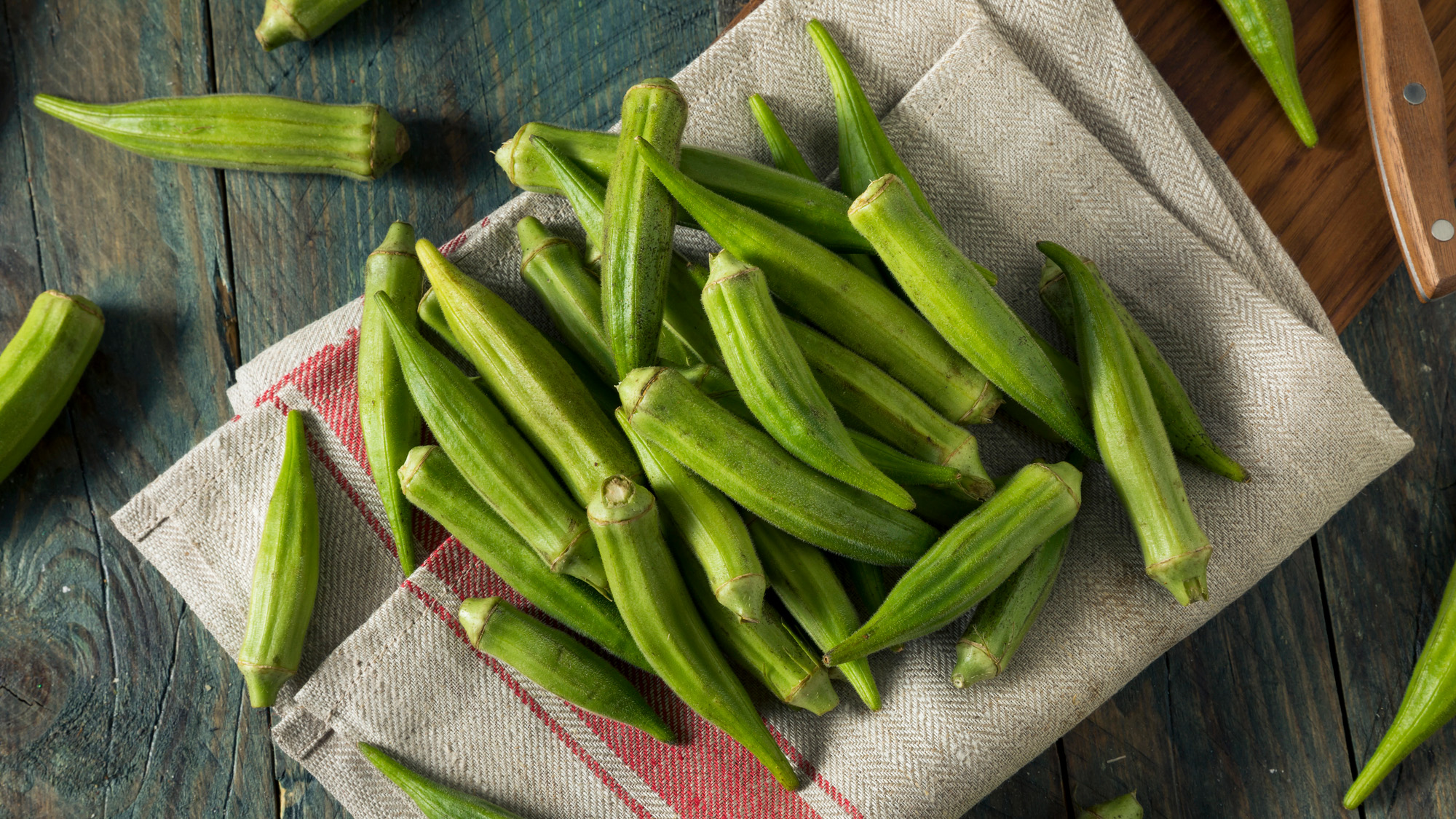
Okra, a vegetable known for its unique texture, has sparked both appreciation and aversion among culinary enthusiasts. The gooey characteristic that many associate with okra is attributed to a substance called mucilage. This article explores the science behind mucilage, its function in the plant, and its various uses in cooking and beyond.
The Science Behind Mucilage
Mucilage is a complex mixture of carbohydrate molecules and proteins that serves essential functions for the okra plant. According to food science writer Harold McGee, in his book *On Food and Cooking: The Science and Lore of the Kitchen*, mucilage helps plants retain moisture. In the case of okra, the edible part of the plant consists of immature seedpods that are coated in this viscous substance. This coating not only protects the seeds from drying out but also plays a critical role in helping the plant thrive in hot, arid climates.
Originating in either southwest Asia or eastern Africa, okra made its way to the southern United States through the slave trade. Its resilience in heat and drought conditions has made it a staple in many tropical and subtropical regions around the world.
Mucilage in the Plant Kingdom
Okra is not unique in producing mucilage. Many plants, particularly those adapted to dry environments, exhibit similar characteristics. Desert plants like cacti and some succulents use mucilage to store water. Other edible sources include certain seaweeds, Malabar spinach, and molokhia, a leafy green popular in parts of Africa and the Middle East.
Research indicates that mucilage is produced by nearly all plants, with some microorganisms also utilizing it. For instance, single-celled protists like amoebas use mucilage to propel themselves. Japanese natto, made from fermented soybeans, utilizes mucilage to achieve its distinctive stretchiness, demonstrating its versatility in both nature and human cuisine.
In a 2021 review, it was noted that while most plants generate mucilage from their seed coats, the mechanisms can differ. For example, mature seeds from other plants can absorb water from their environment to produce mucilage. This phenomenon is observable when soaking chia seeds for pudding or flaxseeds for vegan baking, where water absorption creates a gelatinous texture.
Beyond water conservation, mucilage plays various roles in the plant ecosystem. For example, carnivorous sundews use mucilage as a sticky trap for insects. The Sierra Mixe corn variety from Oaxaca, Mexico, has exposed roots that leak mucilage, attracting beneficial nitrogen-fixing bacteria, which enhances growth in nitrogen-poor soil, according to a report from UC Davis.
Applications of Mucilage in Human Life
The uses of mucilage extend far beyond culinary applications. Historically, it has served as a natural hair gel and an adhesive for paper products. In medicine, mucilage acts as a demulcent, soothing irritated mucous membranes by forming a protective layer. Examples include slippery elm tea for sore throats and aloe vera ointment for sunburn relief. Mucilage is also a key ingredient in fiber supplements like psyllium husk and is found in various cosmetics.
Scientists are progressively exploring mucilage for industrial applications. The 2021 research highlights mucilage as a renewable and cost-effective source of plant-based compounds, which are both biodegradable and environmentally friendly. Notably, okra’s mucilage has been utilized in creating biodegradable food packaging and filtering particles from wastewater, showcasing its potential in sustainability efforts.
Culinary Perspectives on Mucilage
In the culinary world, opinions on okra’s mucilage vary. In countries such as Japan, the texture of ingredients like okra and natto, referred to as *neba-neba*, is celebrated. In Nigeria, dishes made with okra and similar viscous ingredients are called “draw soups,” aptly named for their thick, gel-like consistency.
For those who prefer to minimize the slimy texture, various cooking methods can help. Jared Levan, a science writer, noted that mucilage’s viscosity increases with heat. Cooking methods like frying or sautéing tend to release less mucilage compared to stewing. Additionally, adding acidic ingredients like tomatoes can help reduce the sliminess. Since mucilage is concentrated in the center of okra pods, cooking them whole rather than chopping can also lessen the release of slime.
Even for those who are not fond of okra’s texture, understanding its beneficial properties for both plants and humans may foster a greater appreciation for this unique vegetable. As culinary practices evolve, the versatility of okra and its mucilage continues to capture the interest of chefs and home cooks alike.

Willow Smith Stuns in Daring Swimwear Look, Fans React Now!

South Korea Unveils Ramen Experiences for Tourists at Airports

Journalist Reveals ‘Sloppy’ ICE Hiring Experience in Urgent Interview

A$AP Rocky Unveils Track List for Upcoming Album ‘DON’T BE DUMB’

Comedy Show Promotes Mental Health Awareness in Loveland

Brooklyn Beckham and Nicola Peltz Set 2026’s Kitchen Trend with Marble

CMS Reveals $1.8 Billion in Improper Medicaid Spending on Immigrants

Chemists Uncover Structure of Tau Protein’s Fuzzy Coat

LIV Golf Implements Major Changes Ahead of Fifth Season

University of Hawaiʻi Joins $25.6M AI Initiative to Monitor Disasters

Interstellar Object 3I/ATLAS Emits Unprecedented Metal Alloy

Toledo City League Announces Hall of Fame Inductees for 2024

DOJ Seizes $15 Billion in Bitcoin from Major Crypto Fraud Network

Western Executives Confront Harsh Realities of China’s Manufacturing Edge

Sharp Launches Five New Aquos QLED 4K Ultra HD Smart TVs

Mutual Advisors LLC Increases Stake in SPDR Portfolio ETF

Celtics Coach Joe Mazzulla Dominates Local Media in Scrimmage

Community Unites for 7th Annual Walk to Raise Mental Health Awareness
-
Science2 months ago
University of Hawaiʻi Joins $25.6M AI Initiative to Monitor Disasters
-
 Science3 months ago
Interstellar Object 3I/ATLAS Emits Unprecedented Metal Alloy
-
 Lifestyle3 months ago
Toledo City League Announces Hall of Fame Inductees for 2024
-
 Business3 months ago
DOJ Seizes $15 Billion in Bitcoin from Major Crypto Fraud Network
-
 Science3 months ago
Western Executives Confront Harsh Realities of China’s Manufacturing Edge
-
 Top Stories3 months ago
Sharp Launches Five New Aquos QLED 4K Ultra HD Smart TVs
-
 Politics3 months ago
Mutual Advisors LLC Increases Stake in SPDR Portfolio ETF
-
 Sports3 months ago
Celtics Coach Joe Mazzulla Dominates Local Media in Scrimmage
-
 Health3 months ago
Community Unites for 7th Annual Walk to Raise Mental Health Awareness
-

 Politics3 months ago
Major Networks Reject Pentagon’s New Reporting Guidelines
-

 World3 months ago
INK Entertainment Launches Exclusive Sofia Pop-Up at Virgin Hotels
-

 Top Stories3 months ago
Microsoft Releases Urgent Windows 11 25H2 Update for All Users