
Sports
Missouri Sports Betting Launches Amid Ongoing Scandals

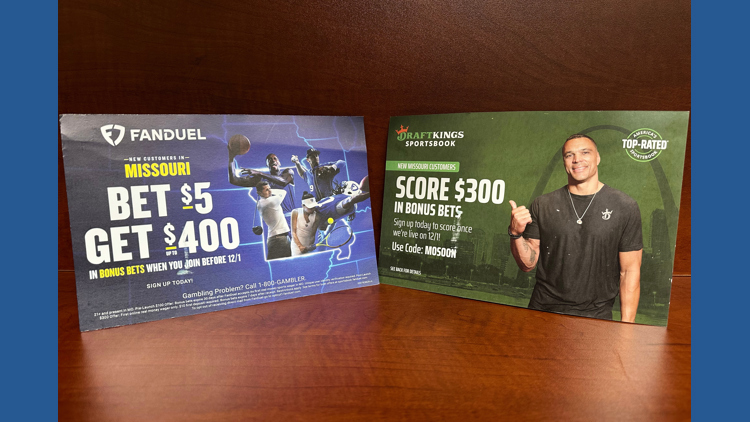
As of September 1, 2023, Missouri has officially launched its sports betting program, allowing residents to place wagers on various sporting events. Bettors can engage in a wide range of betting options, including predicting individual athlete performances, known as proposition bets. However, these bets are prohibited when they involve athletes from Missouri colleges and universities, a decision that highlights ongoing concerns within the burgeoning sports betting industry.
The launch of sports betting in Missouri comes on the heels of several scandals that have raised questions about the integrity of sports. Recently, two pitchers from the Cleveland Guardians faced charges for allegedly accepting bribes to influence game outcomes. An NBA player was arrested for allegedly providing insider information to gamblers, while the NCAA revoked the eligibility of six men’s college basketball players due to suspicions of performance manipulation. These incidents underscore the potential risks associated with proposition bets, which are often focused on individual player statistics such as points scored, strikeouts, or passing yards.
Growth of the Sports Betting Industry
The sports betting industry has seen significant growth in recent years, raking in over $11 billion in revenue in the first three quarters of 2023, according to the American Gaming Association. This figure reflects a more than 13% increase compared to the same period in the previous year. While comprehensive data on proposition bets is limited, they are becoming increasingly popular among bettors, as noted by Joe Maloney, the association’s senior vice president of strategic communications.
In states that have legalized sports betting, such as West Virginia, proposition bets have constituted a substantial portion of overall wagers. Research by Brad Humphreys, an economics professor at West Virginia University, revealed that during a recent month, proposition bets accounted for over half of all wagers on a major sports betting platform. Many of these bets were parlays, which combine multiple wagers into a single bet, increasing both the risk and potential payout for bettors.
The increase in proposition betting raises concerns about gambling addiction. Rachel Volberg, a research professor of epidemiology at the University of Massachusetts Amherst, warned that the structure of prop bets can encourage addictive behaviors due to their quick nature and the ease of placing multiple bets.
State Regulations and Controversies
While proposition bets on professional athletes are permitted in all states that have legalized sports betting, regulations for college athletes vary widely. In Missouri, the decision to restrict college prop bets was part of a constitutional amendment that received narrow voter approval last year, following a campaign funded largely by sports betting giants DraftKings and FanDuel. The aim was to strike a balance between encouraging sports betting and maintaining the integrity of college sports, according to Jack Cardetti, a spokesperson for the Sports Betting Alliance.
Some experts argue that these restrictions may be ineffective in an interconnected digital landscape where bettors can easily access online platforms to place wagers on college teams from other states. Nathan Novemsky, a professor of marketing and psychology at Yale University, described Missouri’s restrictions as inadequate, suggesting they would fail to prevent bettors from finding alternative means to place wagers.
The Missouri Gaming Commission is tasked with overseeing sports betting regulations, although much of the responsibility for detecting fraudulent bets lies with the operators themselves. Following the recent scandals, Major League Baseball has implemented new measures, including capping bets on individual pitches at $200 and removing them from parlays as a way to protect the integrity of the game.
Despite the controversies surrounding sports betting, many Missouri residents are eager to participate. Some, like Brett Koenig from suburban St. Louis, have previously crossed state lines to place legal bets and express excitement about the new opportunities available without the need to travel. Koenig stated, “I’m ecstatic to have the opportunity to do it, and to not have to drive 45 minutes across the river.”
As Missouri embarks on this new chapter of sports betting, the interplay between regulation, integrity, and consumer demand will be closely watched, especially in light of the recent scandals that have cast a shadow over the industry.

ECB Confirms Interest Rates Remain Steady Ahead of Year-End

Rolette Record Transitions to New Ownership in Cando Deal

Reverend Thomas Perry Resigns Amid Controversy Over Conduct

University of Arizona Researchers Discover Key to Preventing Scar Tissue

Missouri Sports Betting Launches Amid Ongoing Scandals

Four Arrested in Australia for Alleged International Child Abuse Ring

Rolette Record Sold to Cando Men: Major Change in Local Media

Marsh & McLennan Faces Challenges as Stock Underperforms Financial Sector

Fire Erupts at Indigo Apartments in OKC, Residents Fearful

University of Hawaiʻi Joins $25.6M AI Initiative to Monitor Disasters

Toledo City League Announces Hall of Fame Inductees for 2024

DOJ Seizes $15 Billion in Bitcoin from Major Crypto Fraud Network

Sharp Launches Five New Aquos QLED 4K Ultra HD Smart TVs

Celtics Coach Joe Mazzulla Dominates Local Media in Scrimmage

Mutual Advisors LLC Increases Stake in SPDR Portfolio ETF

Community Unites for 7th Annual Walk to Raise Mental Health Awareness

Western Executives Confront Harsh Realities of China’s Manufacturing Edge

INK Entertainment Launches Exclusive Sofia Pop-Up at Virgin Hotels
-
Science4 weeks ago
University of Hawaiʻi Joins $25.6M AI Initiative to Monitor Disasters
-
 Lifestyle2 months ago
Toledo City League Announces Hall of Fame Inductees for 2024
-
 Business2 months ago
DOJ Seizes $15 Billion in Bitcoin from Major Crypto Fraud Network
-
 Top Stories2 months ago
Sharp Launches Five New Aquos QLED 4K Ultra HD Smart TVs
-
 Sports2 months ago
Celtics Coach Joe Mazzulla Dominates Local Media in Scrimmage
-
 Politics2 months ago
Mutual Advisors LLC Increases Stake in SPDR Portfolio ETF
-
 Health2 months ago
Community Unites for 7th Annual Walk to Raise Mental Health Awareness
-
 Science2 months ago
Western Executives Confront Harsh Realities of China’s Manufacturing Edge
-
 World2 months ago
INK Entertainment Launches Exclusive Sofia Pop-Up at Virgin Hotels
-

 Politics2 months ago
Major Networks Reject Pentagon’s New Reporting Guidelines
-

 Science1 month ago
Astronomers Discover Twin Cosmic Rings Dwarfing Galaxies
-

 Top Stories1 month ago
Randi Mahomes Launches Game Day Clothing Line with Chiefs